Industrial Prices Up 4.2%: What Factories Say About Where Money Is Going
Most families I work with will never own a factory. The industrial numbers are still worth reading, for what they say about where capital is going and the economy under our home values.
The short read
JTC's 3Q2026 data show the price index for all industrial space up 1.0 per cent on the quarter and 4.2 per cent on the year, with sale volumes up 8.1 per cent year on year. Rents rose more slowly, 0.5 per cent on the quarter and 2.1 per cent on the year, which EdgeProp described as mostly in line with inflation. JLL expects the price index to grow about 3 to 4 per cent for the full year, as capital seeks shelter in safe havens like Singapore.
For homeowners, the useful read is about the economy: chip demand tied to AI investment and a Purchasing Managers' Index above 50 for a 14th straight month. For a business owner or investor eyeing a strata factory, the picture is more mixed. Prices are rising faster than rents, occupancy eased to 88.9 per cent, and JTC expects more new space a year, on average, from 2027 to 2030 than over the past three years.
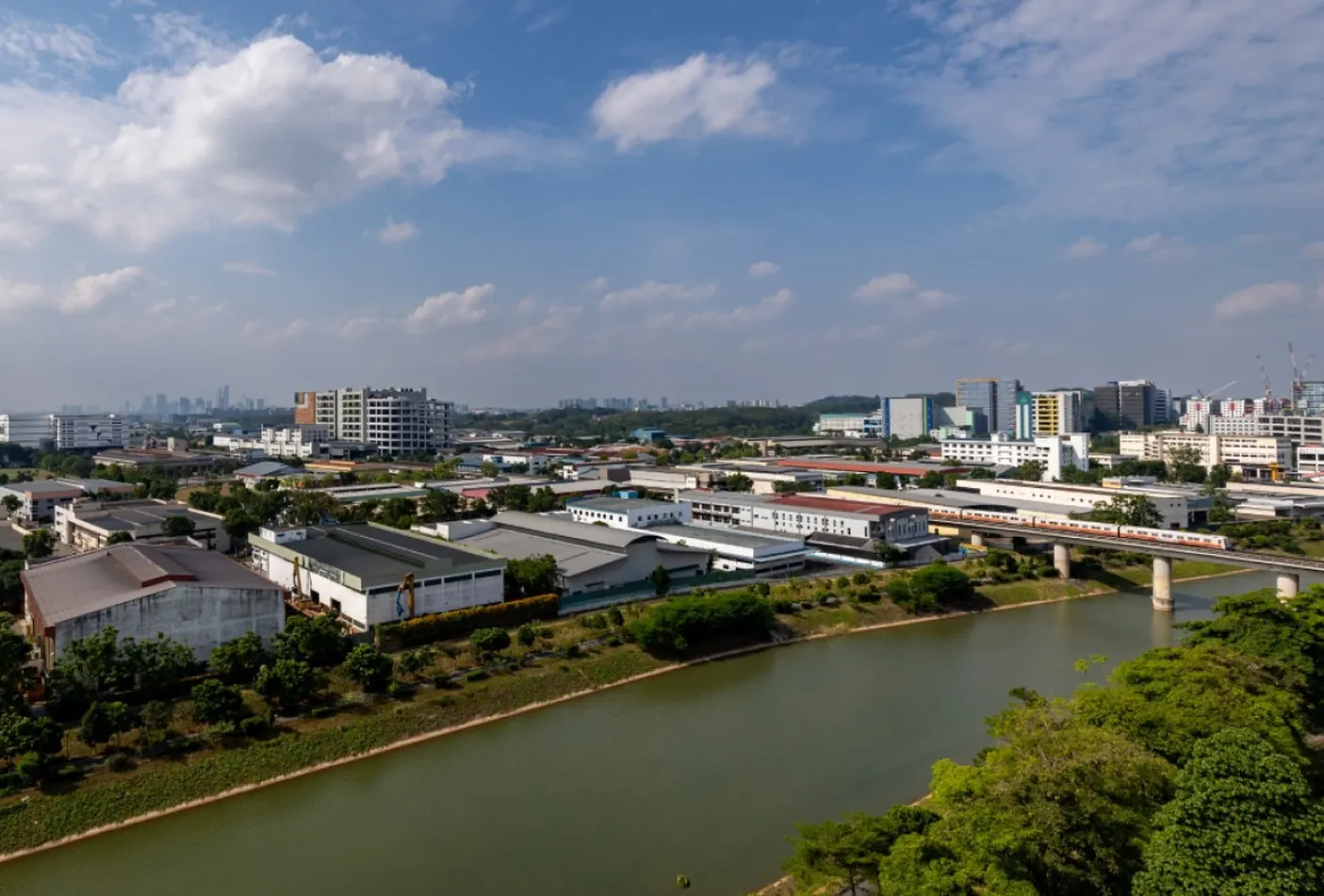
Most of the families I work with will never buy a factory. Still, I read the industrial numbers every quarter. They are one of the cleaner signals of where serious money is going in Singapore, and of how healthy the economy is that pays the salaries behind our mortgages.
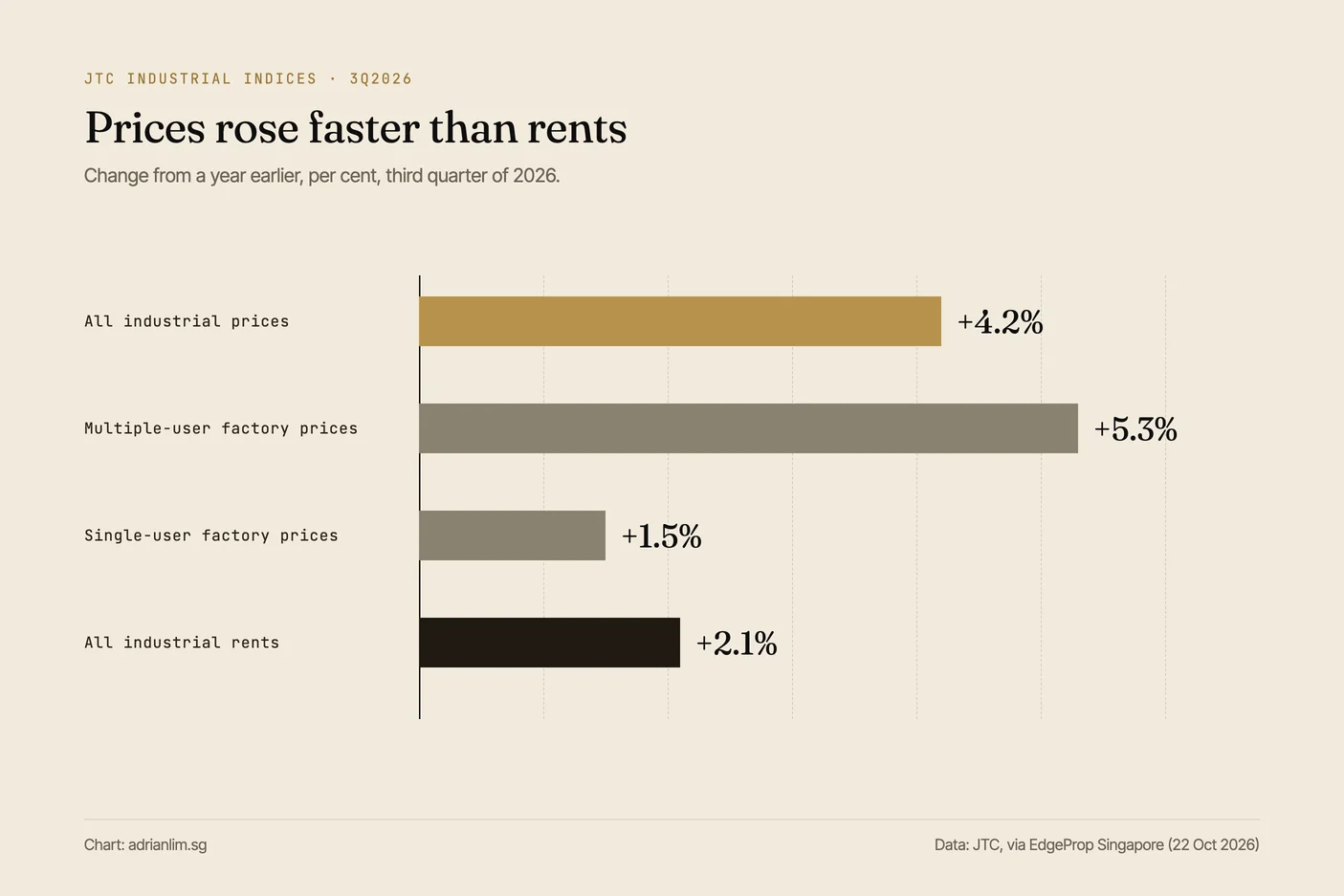
As EdgeProp Singapore reported, JTC’s latest quarterly market report, released on Oct 22, shows the price index for all industrial space rising 1.0 per cent quarter on quarter and 4.2 per cent year on year in the third quarter of 2026. That is a slightly quicker pace than the 0.6 per cent quarterly gain in the second quarter. The rise came amid steady demand and low interest rates.
The gains were uneven. Prices of multiple-user factory space rose 1.1 per cent on the quarter and 5.3 per cent on the year. Single-user factories rose 0.8 per cent and 1.5 per cent. Sale volumes across all industrial property were up 8.1 per cent year on year, based on caveats lodged.
Rents moved more slowly. The rental index for all industrial space edged up 0.5 per cent on the quarter and 2.1 per cent on the year, which EdgeProp described as mostly in line with inflation. Occupancy eased 0.2 percentage point to 88.9 per cent. JTC also noted a “good pipeline supply” of new space.
I have spent 17 years helping families, often more than one generation under one roof, make property decisions they will live with for a decade or more. Almost all of that is homes, not factories. So here is how I would read this report if you own a home, and what I would weigh if you run a business or are being pitched a strata factory as an investment.
Why should homeowners care about factory prices?
Because the reasons behind the numbers are the same forces that sit under residential values.
Chua Yang Liang, JLL’s head of research and consultancy for Southeast Asia, said “capital continues to seek shelter in safe havens like Singapore, driving further marginal yield compression”. JLL expects the JTC All Industrial Price Index to grow about 3 to 4 per cent for the full year.
Knight Frank’s figures point the same way. Tridiana Ong, its head of occupier strategy and solutions, said total industrial investment sales rose from an estimated $1.4 billion to about $2.0 billion. A few large-ticket deals drove that, along with sales at newly launched strata industrial developments.
When money treats Singapore as a place to park value, it shows up in more than one asset class. That supports confidence in property here broadly. But I would be careful about reading too much into it for your own home. Safe-haven capital buying industrial assets has different goals from a family buying a place to live. The first is chasing a yield. The second is choosing a life.
Safe-haven money tells you Singapore is trusted. It does not tell you what your own flat or condo will be worth when you sell.
What is driving the demand?
The short answer is chips, and the investment in AI behind them.
JLL’s Chua said the stable rental growth is supported by global demand for semiconductors, on the back of continual investment in AI. “Asia Pacific economies including Southeast Asia countries like Singapore and Malaysia are firmly plugged into this growth driver,” he said.
You can see it in what was completed this quarter. CBRE pointed to Equinix’s SG6, a nine-storey data centre at 21 Jalan Tukang, as a major single-user factory completion. Another was the facility of VisionPower Semiconductor Manufacturing Company (VSMC) at 2 Tampines Industrial Avenue 1, a joint venture between Taiwan’s Vanguard International Semiconductor Corp and Dutch chipmaker NXP Semiconductors.
The wider economy agrees, for now. Singapore’s Purchasing Managers’ Index rose to 51.7 in September from 51.5 in August. That is the 14th straight month of expansion above the 50-point threshold.
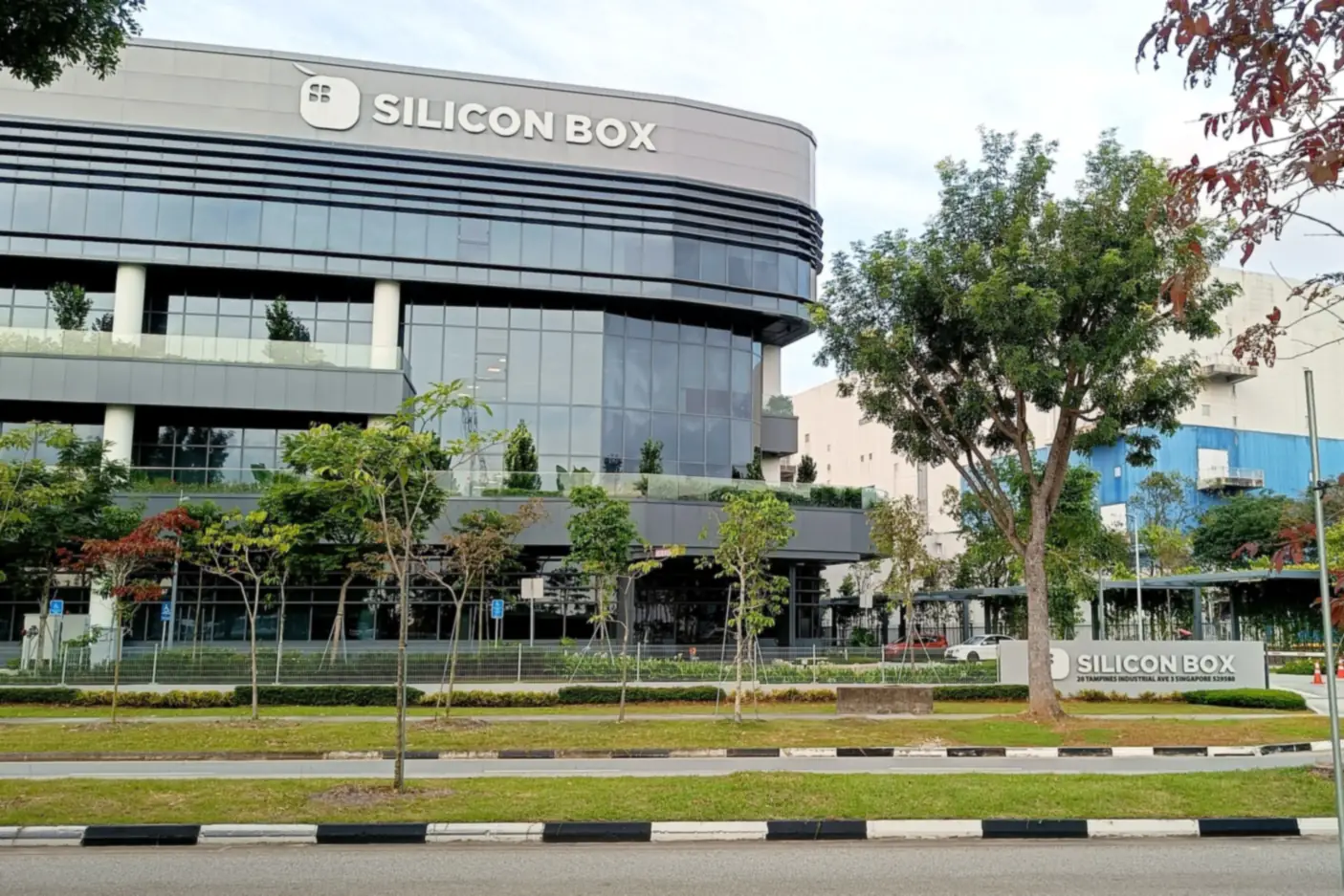
For homeowners, this is the part that matters most. Factories, data centres and chip plants employ people, and those people rent and buy homes. A PMI that has stayed in expansion for more than a year is good background for the housing market. But it is background. I would not draw a straight line from a PMI reading to the price of a particular home, and I would not change a family decision because of one.
Prices up 4.2%, rents up 2.1%: what does that gap mean?
This is the number I would put in front of anyone thinking of buying industrial space to rent out.
Over the year, prices rose 4.2 per cent and rents rose 2.1 per cent. When prices climb faster than rents, the rent you collect is a smaller share of what you paid. That is yield compression, the trend JLL’s Chua described. The asset may be worth more on paper, while the income it earns has grown more slowly.
Within rents, the picture differed by type. Warehouse rents led, up 1 per cent on the quarter, double the 0.5 per cent of the quarter before. Single-user factory rents rose 0.7 per cent. Multiple-user factory rents rose just 0.3 per cent, slower than the 0.6 per cent in the second quarter. Business-park rents were broadly flat, up 0.1 per cent.
The rise in leasing deals for multiple-user factories and warehouses was relatively measured. Knight Frank’s Ong said that suggests much of the demand came from lease renewals and ongoing space needs, not from firms expanding. That is a steady market, not a hot one.
Why are older factories emptying while new space keeps coming?
JTC said occupancy fell because users moved out of older single-user and multiple-user factories earmarked for future redevelopment, and because demand for suburban business parks slowed. Warehouses went the other way: CBRE’s Tricia Song said warehouse occupancy rose 0.3 percentage point to 89.7 per cent.
Business parks are the clearest case of a split. Occupancy slipped from 77.9 per cent to 77.2 per cent, yet leasing contracts rose 31.3 per cent from a year earlier, from 80 to 105. No business-park project is in the pipeline for the next few years. Song added that more landlords are looking at upgrading business parks with dated specifications, which is likely to tighten supply further.
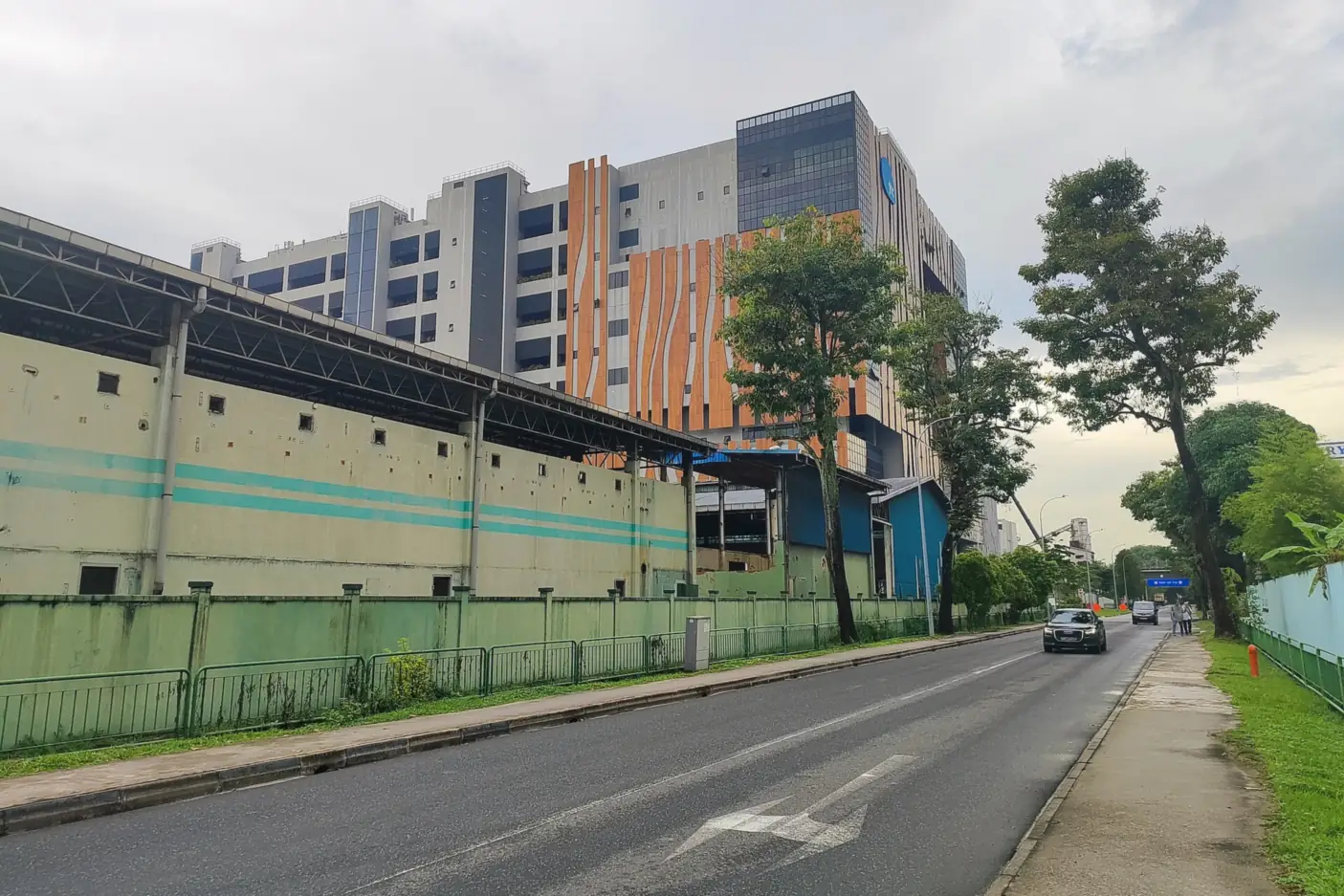
Now the supply. Based on planning approvals at end-September, about 0.3 million sq m of new industrial space is expected to be completed in the last quarter of 2026. Single-user factories make up 56.1 per cent of that, warehouses 43.7 per cent and multiple-user factories 0.2 per cent. From 2027 to 2030, JTC expects an average of 1.2 million sq m a year, higher than the average of about 1 million sq m a year over the past three years.
Put those together and you get a pattern I see in housing too. New, well-specified space keeps arriving. Older space, especially space with a redevelopment question over it, is where tenants leave first. If you own or are buying an older unit, your competition is not only the unit next door. It is the newer building a few streets away.
Should a family business owner or investor buy a strata factory now?
I am a residential agent, so I will keep this to how I would think about it, not a recommendation either way.
First, be clear that this is a different asset class. Despite what EdgeProp called “Singapore’s largely leasehold industrial landscape”, investor interest remains firm. The most striking number in Knight Frank’s figures shows this. Factories with 30 years or less left on their lease saw only a marginal rise in the number of deals, but their total sales value almost tripled, from $360.7 million in the second quarter to $972.2 million.
Ong explained it this way: “The increasing ticket sizes of some of these shorter-tenure factory assets, relative to the broader industrial market, underscored investor interest in industrial assets, particularly where value enhancement opportunities and competitive pricing can help offset leasehold constraints.” She added that buyers are “increasingly prioritising properties that benefit from resilient occupier demand, dependable cash flows and opportunities to enhance value, rather than focusing solely on tenure”.
With a short lease, you are not buying a building to pass on. You are buying an income for a set number of years, and the price should make sense on that basis alone.
That is the right way to look at it, and it is very different from how most families think about a home. A home is somewhere to live and, over a long hold, a store of family wealth. A leasehold factory is closer to a fixed-term income stream. When the lease runs down, so does the asset. The financing, rules and costs are also different from residential property. Do not assume that anything you know from buying a flat or condo carries over. Check it with the bank and a lawyer first.
Then weigh the risks the analysts named. JLL’s Chua said geopolitical tensions are weighing on occupier sentiment, with cost-cutting and space optimisation starting to affect occupancy. He expects uncertainty, along with higher energy and freight costs from tensions in the Middle East, to push businesses towards leaner operations and to delay expansion plans. JLL still expects firm demand for high-specification premises, supported by order backlogs in the semiconductor sector, but said near-term rental growth may be held back by cost pressures and global disruptions.
If I were sitting with a family business owner weighing this, I would ask four questions:
- Will your own business use the space for most of the remaining lease? Owner-occupiers and landlords are making different bets.
- If you are renting it out, does the rent still work if it only tracks inflation, as it roughly did over the past year?
- How does the unit compare with the newer space due between 2027 and 2030?
- Is the building old enough to be among those being vacated ahead of redevelopment?
What should homeowners take from this?
Mostly reassurance, held loosely. Capital still trusts Singapore. Chip and AI demand is real, and the PMI has signalled expansion for 14 months in a row. Knight Frank sees the industrial sector’s long-term prospects as positive, amid Singapore’s stable, pro-business operating environment, even as growth narrows towards AI, advanced manufacturing and technology-driven industries.
That is good background for the jobs and incomes that support home values. It is not a reason to buy a home sooner, and it is not a reason to move family savings into an asset class you do not know well.
If you are weighing a property decision against the bigger economic picture and want a second view on how it fits your family’s plans, I am always glad to talk it through.
The numbers
| All industrial price index, 3Q2026 | +1.0% q-o-q, +4.2% y-o-y (2Q2026: +0.6% q-o-q) |
| Factory prices by type | Multiple-user +1.1% q-o-q, +5.3% y-o-y; single-user +0.8% q-o-q, +1.5% y-o-y |
| Sale volumes | Up 8.1% y-o-y, based on caveats lodged |
| All industrial rental index | +0.5% q-o-q, +2.1% y-o-y; warehouse rents +1% q-o-q |
| Occupancy, all industrial | 88.9%, down 0.2 percentage point q-o-q |
| Business parks | Occupancy 77.2% (from 77.9%); leasing contracts up 31.3% y-o-y, 80 to 105; no project in the pipeline for the next few years |
| Investment sales (Knight Frank) | About $1.4 billion to about $2.0 billion; factories with 30 years or less of lease left: $360.7 million to $972.2 million |
| New supply | About 0.3 million sq m in 4Q2026; average 1.2 million sq m a year in 2027-2030, against about 1 million sq m a year over the past three years |
| Purchasing Managers' Index | 51.7 in September, from 51.5 in August; 14th straight month above 50 |
| JLL full-year view | JTC All Industrial Price Index to grow about 3-4% in 2026 |
Questions families ask
How much did Singapore industrial property prices rise in the third quarter of 2026?
According to JTC's data, as reported by EdgeProp Singapore, the price index for all industrial space rose 1.0 per cent from the second quarter and 4.2 per cent from a year earlier. That was a slightly quicker pace than the 0.6 per cent quarterly gain in the second quarter. Multiple-user factory prices rose 5.3 per cent year on year, while single-user factory prices rose 1.5 per cent.
Did industrial rents keep up with prices?
No. The rental index for all industrial space rose 0.5 per cent on the quarter and 2.1 per cent on the year, which EdgeProp described as mostly in line with inflation. With prices up 4.2 per cent over the same period, buyers are paying more for each dollar of rent. JLL's Chua Yang Liang said capital seeking shelter in safe havens like Singapore is driving further marginal yield compression.
Why did industrial occupancy fall?
JTC said occupancy for all industrial space eased 0.2 percentage point to 88.9 per cent because users moved out of older single-user and multiple-user factories earmarked for future redevelopment, and because of slower demand for suburban business parks. Warehouse occupancy went the other way, rising 0.3 percentage point.
How much new industrial space is coming?
About 0.3 million sq m is expected to be completed in the fourth quarter of 2026, mostly single-user factories (56.1 per cent) and warehouses (43.7 per cent). From 2027 to 2030, JTC expects an average of 1.2 million sq m a year, higher than the average of about 1 million sq m a year over the past three years. No business-park project is in the pipeline for the next few years.
Is a strata factory a good alternative to buying a second home?
It is a different asset class, not a substitute. Singapore's industrial landscape is largely leasehold, the financing and rules differ from residential property, and the value rests on the income the space can earn over its remaining lease. The current data show prices rising faster than rents and more supply ahead, so any purchase should be judged on its own numbers, ideally with specialist advice, not on the strength of the headline.
Reporting referenced: EdgeProp Singapore. Analysis and views are Adrian Lim's own.
Talking it through beats reading about it.
If this story touches a decision your family is weighing, send Adrian a message. A first conversation costs nothing and commits you to nothing.
WhatsApp Adrian · +65 8183 2333More from Insights
Exports Jumped 27.4%. Here's What That Does to Your Property Decision
A strong quarter is a real signal about the economy. It is a much weaker signal about whether this is your year to move.

What OpenAI's S$300 Million Actually Means for Your Home
A capability story and a price story move at very different speeds — and confusing the two is how families overpay for headlines.
A S$16M Ask on East Coast Road: How to Read a Shophouse Listing
A listing price is a question the market asks itself. The answer arrives later, quietly, in the print.