A S$16M Ask on East Coast Road: How to Read a Shophouse Listing
A listing price is a question the market asks itself. The answer arrives later, quietly, in the print.
The short read
A pair of adjoining freehold, commercially zoned shophouses at 57-59 East Coast Road is on the market at S$16 million via expression of interest closing 31 July 2026. On the existing gross floor area of roughly 4,500 sq ft, that works out to about $3,556 psf, with a 3.0 plot ratio offering redevelopment upside to around 7,563 sq ft.
My read: the scarcity is real, but a guide price is not a transacted price. At this quantum the case rests on capital preservation and optionality over the next decade, not income today. Watch what closes on East Coast Road, not what gets listed.
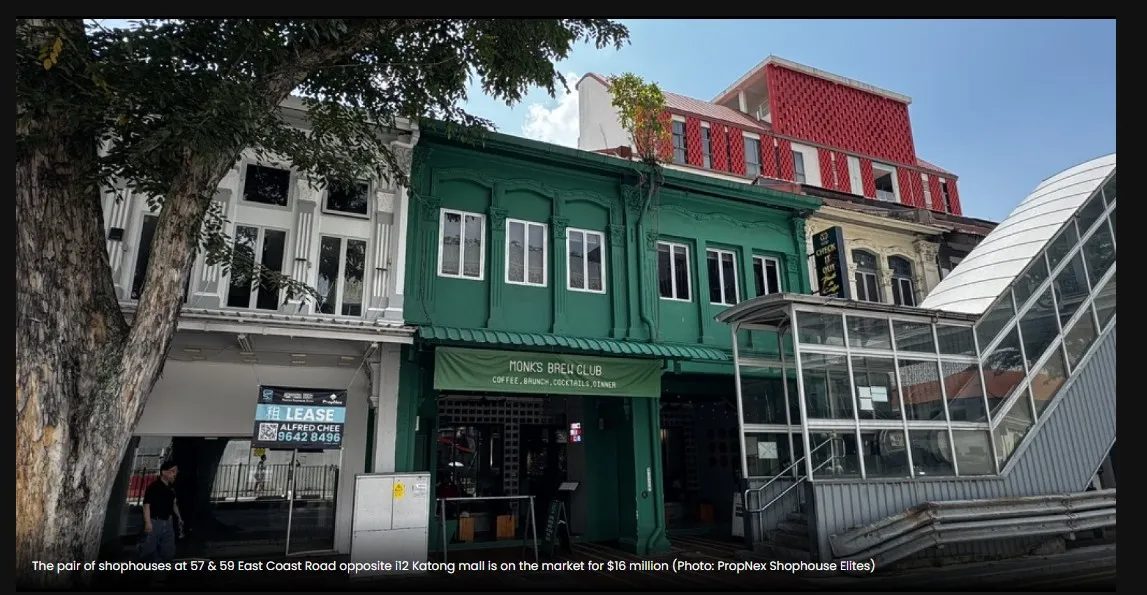
A pair of adjoining freehold shophouses at 57 and 59 East Coast Road came to market this week with a guide price of S$16 million, as EdgeProp reported. The sale runs by expression of interest, closing 31 July. The pair sits in the heart of Katong, directly opposite i12 Katong mall, with a frontage of almost 10 metres and Monk’s Brew Club as the sitting tenant — café on the ground floor, co-working and events space upstairs.
The numbers underneath: 2,521 sq ft of land, roughly 4,500 sq ft of existing gross floor area, which puts the guide at about $3,556 psf on GFA. The site is zoned fully commercial with a gross plot ratio of 3.0, so a buyer could add a rear extension of up to five storeys and lift the total GFA to around 7,563 sq ft. The marketing agents describe it as two assets in one — run it as is, reposition it, or unlock the redevelopment.
All of that is accurate. And none of it is the first thing I would tell a family asking whether this matters to them.
A guide price is a question, not an answer
Across seventeen years I have watched more than a few headline asks never quite cross the line. A listing price is not a transacted price. It is the market asking itself a question, and the answer comes later, quietly, in the caveat that gets lodged — or doesn’t.
A guide price is the market asking itself a question. The answer arrives later, in the print.
This matters more for shophouses than for almost any other asset class in Singapore. Condominiums trade often enough that pricing is dense; you can see what your neighbour’s identical stack sold for last month. Shophouses trade thinly. Per URA Realis, East Coast Road has seen exactly three shophouse transactions since September 2025. When the evidence is that sparse, an ambitious ask can sit unanswered for a long time, and an eventual print well below guide tells you more about the market than the listing ever did.
So the discipline is simple: watch what closes, not what gets listed. I will be watching this one.
What do the East Coast Road comparables actually say?
The three prints we do have are worth reading closely, because they carry three different lessons.
| Address | Sold | Price | PSF on GFA |
|---|---|---|---|
| 199 East Coast Road | Jan 2026 | S$16.0m | $3,990 |
| 39 East Coast Road | Sept 2025 | S$8.6m | $4,914 |
| 276 East Coast Road | Nov 2025 | S$4.2m | — |
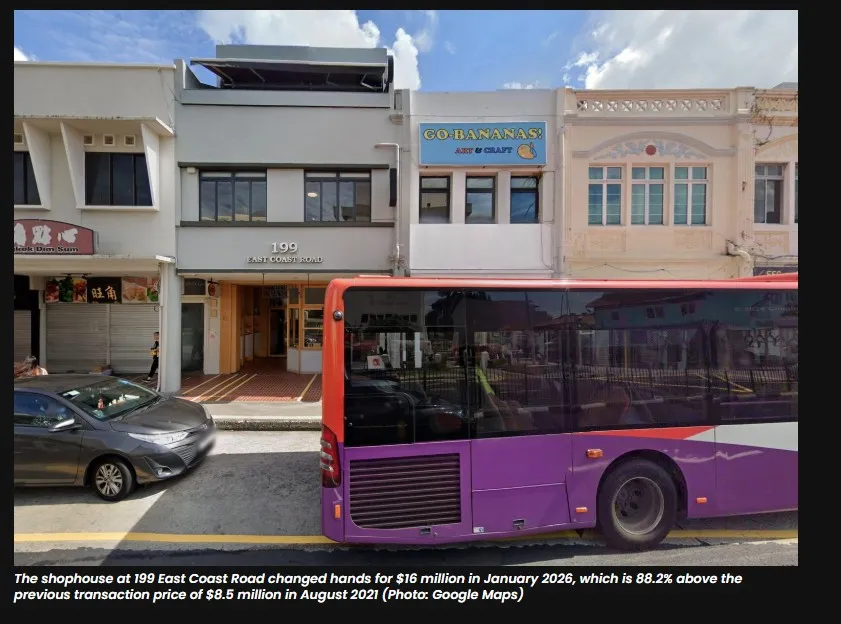
The first, 199 East Coast Road, is the headline act. A 1950s three-storey shophouse on 1,795 sq ft of land sold in January for S$16 million — and the seller had bought it for S$8.5 million in August 2021. That is an 88.2 per cent gain in four and a half years, on a building that housed Boon Tong Kee for over fifteen years and now hosts a café. It is the print doing the arguing for Katong scarcity, far more persuasively than any brochure.
The second, 39 East Coast Road, went for S$8.6 million at $4,914 psf on a small 951 sq ft site with permanent F&B approval on the ground floor. The lesson there: small quantum plus secure F&B use commands the fattest psf, because the buyer pool for an S$8 million asset is much deeper than for a S$16 million one.
The third is the most instructive. 276 East Coast Road sold for just S$4.2 million — because its upper floor is residential. Foreign buyers face 60 per cent ABSD on the residential component and need Land Dealings Approval Unit consent. “That explains the price difference,” as the marketing agent put it. Zoning, not architecture, drew that line. It is also why the fully commercial status of 57-59 matters so much to its pricing: no ABSD, no foreign ownership restriction, the widest possible buyer pool for the tightest possible supply.
Why are families treating shophouses as legacy assets?
Strip away the café aesthetics and a conservation shophouse is a very particular financial instrument. Nobody is making more of them. The freehold, fully commercial ones in established precincts are the scarcest slice of an already scarce class. That scarcity is what attracts family offices and multi-generational money — the same logic that drives the top of the landed market, compressed into a two-storey heritage building.
But scarcity is only half the ledger, and the honest half reads differently. At a S$16 million quantum, the running yield from a café and a co-working floor is modest. The investment case rests on capital preservation and on optionality — the plot ratio headroom, the flexibility of commercial zoning that permits offices, co-living or serviced apartments under the SA2 scheme with minimum three-month stays — over the next decade. Both things can be true at once: genuinely scarce, and modestly yielding. A buyer who needs the income story to work will be disappointed. A family that wants a store of value with a building attached may not be.
There is also the part no term sheet captures. A conservation shophouse is not a passive asset. It needs a steward — someone who will maintain a heritage facade, manage tenants through cycles, and carry the property through the years when the market goes quiet. My future-buyer test applies with extra force here: who buys this from you in fifteen years? The answer is another steward from a thin pool, at a price set by however few transactions have printed by then. If your family’s timeline cannot absorb that illiquidity, the asset is wrong for you no matter how right the precinct is.
The question at S$16 million is not affordability. It is whether you want to be the steward of a heritage building through the next cycle.
The Katong context: money arriving from two directions
What makes this listing more than a one-building story is the precinct around it. Directly opposite, the former Katong Plaza was acquired by Fragrance Group for S$180 million in 2024 and is being redeveloped into a 14-storey, 374-key hotel. Within walking distance sit the 451-room Holiday Inn Express Katong, the 576-room Grand Mercure at Roxy Square and the 229-room Village Hotel Katong, with i12 Katong and Parkway Parade anchoring retail.
On the residential side, the momentum is just as visible. Tembusu Grand launched in April 2023, sold all 638 units and completed in 2025. Emerald of Katong took up 99 per cent of its 846 units on launch weekend in November 2024 and completes next year. Commercial capital and residential capital are converging on the same few streets, and shophouse owners sit at the intersection — their tenants serve the hotel guests, their land values ride the residential repricing.
That is a real tailwind. It is also mostly priced in, which is what a $3,556 psf guide on a two-storey building tells you.
What should families on the east side take from this?
For most of the families I work with — the upgrade, the right-size, the second property on a decade horizon — a S$16 million shophouse does not touch the decision in front of them, and saying so plainly is part of the work. What does touch their decisions is what this listing signals: institutional and family-office money keeps arriving in Katong, the precinct’s repricing is broad rather than one-off, and District 15’s heritage streets are becoming a store of value in their own right. If you own on the east side, that context sits quietly underneath your home’s value whether you ever buy a shophouse or not.
For the small group this listing genuinely is for, the question is not whether S$16 million is affordable. It is whether the eventual transacted price — not the ask — supports a seven-year thesis, and whether your family wants the stewardship that comes with the keys. Run the future-buyer test before you run the yield maths. If both still hold, the scarcity is real and the street has just shown you, at number 199, what patience there can return.
I will be watching what closes. If East Coast freehold stock is on your shortlist and you want the read before the EOI closes, my practice works with exactly these decade-horizon decisions.
The numbers
| Address | 57 & 59 East Coast Road, Katong (District 15) |
| Guide price | S$16 million, EOI closing 31 July 2026 |
| Tenure / zoning | Freehold, fully commercial |
| Combined land area | 2,521 sq ft |
| Existing GFA | ~4,500 sq ft (~$3,556 psf on GFA) |
| Plot ratio | 3.0 — potential GFA of ~7,563 sq ft |
| Frontage | Almost 10m, opposite i12 Katong |
| Current tenant | Monk's Brew Club (café + co-working) |
Questions families ask
Is a S$16 million asking price for the East Coast Road shophouses realistic?
It is an ask, not a print. The nearest benchmark is 199 East Coast Road, which sold in January 2026 for S$16 million at $3,990 psf on GFA, so the guide at roughly $3,556 psf on existing GFA is not detached from the street. But an expression of interest is the market asking itself a question. The answer comes when a caveat is lodged, and I would anchor any decision to transacted prices, not guide prices.
Do foreigners pay ABSD on commercial shophouses in Singapore?
Not on fully commercial ones. ABSD applies to residential property, so a shophouse zoned entirely commercial, like 57-59 East Coast Road, sits outside it. Mixed-use shophouses with a residential upper floor are different: foreign buyers face 60 per cent ABSD on the residential component and need Land Dealings Approval Unit consent, which is a large part of why they trade at a discount.
Are shophouses a good asset to pass down to children?
They can be, for the right family. Conservation shophouses cannot be built again, the freehold ones especially, so scarcity does the long-term work. But running yields at today's prices are modest, the buildings need real stewardship, and the exit pool is thin compared with landed housing. If the family cannot hold through a full cycle without needing the money, the scarcity story will not save the maths.
What is driving property interest in Katong right now?
Rejuvenation on several fronts at once. Katong Plaza was bought by Fragrance Group for S$180 million in 2024 and is being redeveloped into a 374-key hotel, several hundred hotel rooms already operate within walking distance, and new condos like Tembusu Grand and Emerald of Katong have sold essentially everything they launched. Commercial money and residential money are arriving in the same precinct at the same time, which is rarer than it sounds.
Reporting referenced: EdgeProp. Analysis and views are Adrian Lim's own.
Talking it through beats reading about it.
If this story touches a decision your family is weighing, send Adrian a message. A first conversation costs nothing and commits you to nothing.
WhatsApp Adrian · +65 8183 2333More from Insights
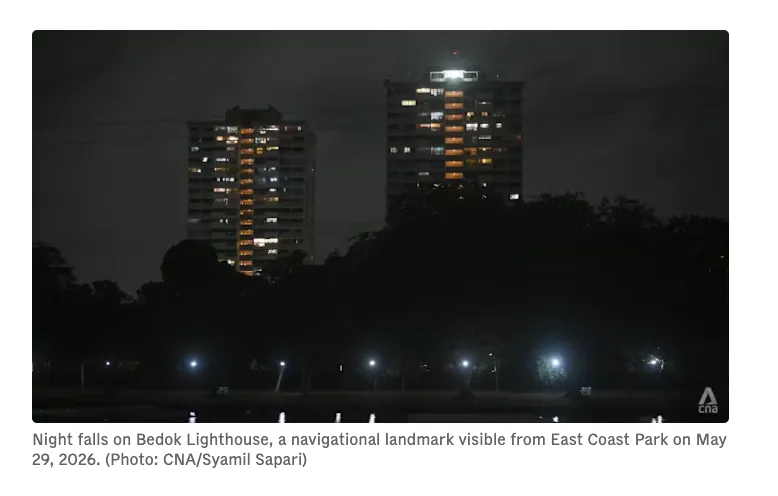
Long Island and the East Coast: What Happens When the Sea Moves
A story about two lighthouses is really a story about the biggest rewrite of Singapore's eastern coastline in a generation — and what it asks of the families who live along it.
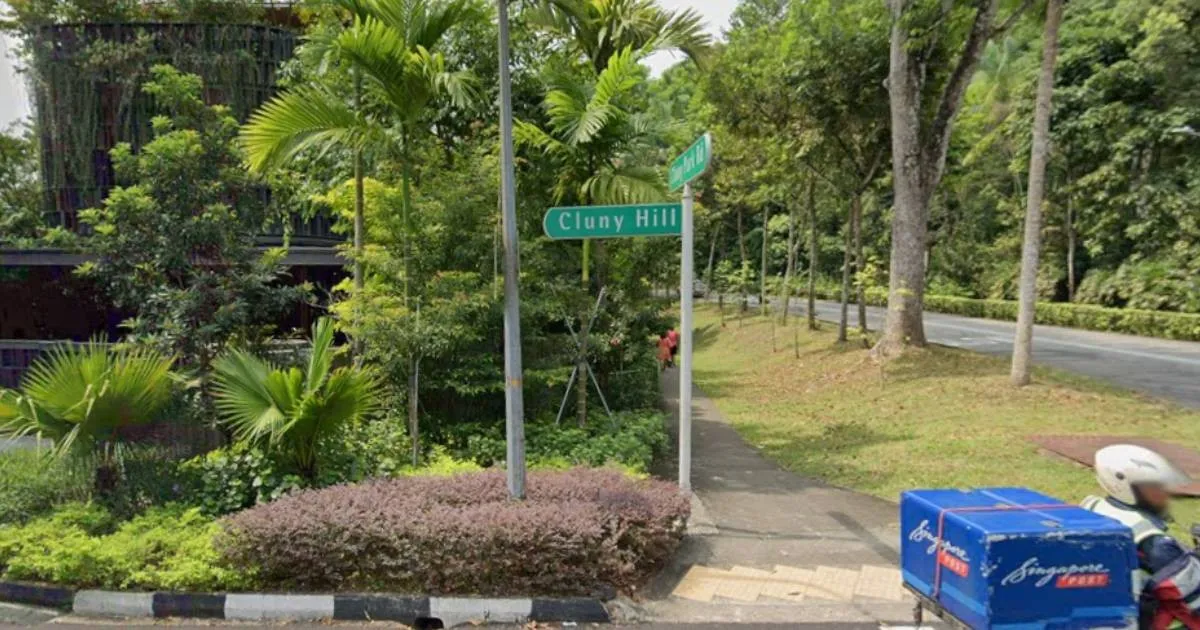
The S$85 Million Cluny Hill Sale, and What It Doesn't Mean for You
An S$85 million bungalow sale finally surfaces a year after the deal was done. The quietness is the story.
The S$2.93 Million Leonie Gardens Profit Took 28 Years. That's the Story.
Everyone is quoting the profit. Almost nobody is doing the division.