The S$85 Million Cluny Hill Sale, and What It Doesn't Mean for You
An S$85 million bungalow sale finally surfaces a year after the deal was done. The quietness is the story.
The short read
A family member of Haidilao co-founder Shi Yonghong paid S$85 million for a freehold bungalow in the Cluny Hill Good Class Bungalow Area, as reported by The Business Times. The deal was contracted in June 2025 and completed in September 2025, but only surfaced in the news in late May 2026 — GCB transactions often move quietly and report late.
The sale says almost nothing about the price of an ordinary condo or HDB flat — the link is sentiment, not transaction. What it does confirm is the principle that scales down to every family home: genuinely scarce assets hold value across cycles; merely expensive ones don't always. The sellers' original S$110 million ask, settled at S$85 million, also shows even trophy owners now meet the market.
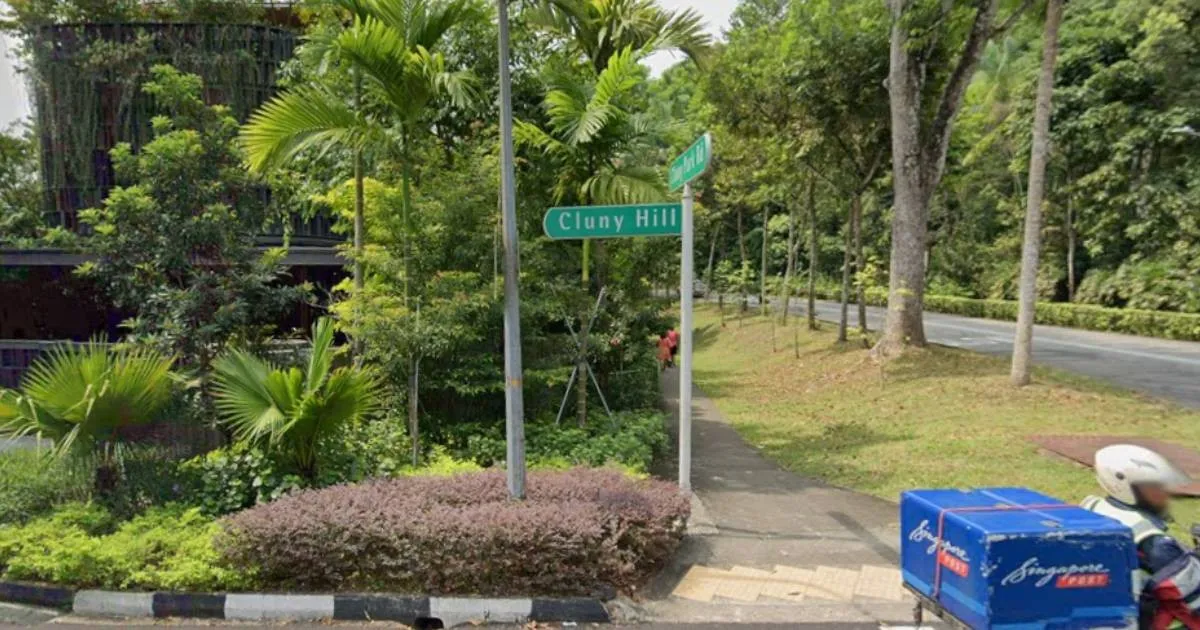
A bungalow on Cluny Hill was reported sold this week for S$85 million. The buyer, as The Business Times reported, is a family member of Haidilao co-founder Shi Yonghong — the name has not been disclosed. The sellers are Singtel chairman Lee Theng Kiat and Veronica Lim. The house sits on 37,036 sq ft of freehold land in the Cluny Hill Good Class Bungalow Area, which works out to S$2,295 per square foot on land.
Three families messaged me about it. None of them are buying a bungalow. What they were really asking, once we got past the number, was the question underneath: does a headline like this mean anything for the home we’re actually choosing?
Mostly, no. But the parts of this story that do matter are not the parts making the headlines. So let me take it apart properly.
Why did an S$85 million sale take a year to surface?
Here is the detail most of the commentary will skip: this deal was not done “this week”. It was contracted in June 2025 and completed in September 2025. The news only broke around 22 May 2026, when The Business Times reported it.
That is not sloppiness. That is how this market works. GCB transactions are frequently uncaveated — the buyer chooses not to lodge the public record most property deals leave behind — and they settle quietly between families who have no interest in publicity. A deal can be eight months old before you and I hear about it.
By the time a GCB sale makes the news, the market that produced it has already moved on.
This matters for how you read every headline in this segment. When commentary says a big sale signals “renewed confidence at the top”, check the dates. The confidence, if that is what it was, belonged to mid-2025. Anyone drawing conclusions about May 2026 sentiment from a June 2025 contract is reading the rearview mirror and calling it a windscreen.
What actually happened on Cluny Hill
The Cluny Hill Good Class Bungalow Area is one of 39 GCBAs in Singapore — the most protected landed class we have, where planning rules fix minimum plot sizes and cap what can be built. Ownership is generally restricted to Singapore citizens. Fixed land, narrow buyer pool: the segment is designed, structurally, to be scarce.
The house itself is around thirteen years old — two storeys plus a basement, with a pool and a lift. And the site has a quirk worth pausing on: it includes a long, road-width strip of land behind the house that can be used for recreation but, according to agents cited in the reports, cannot be redeveloped into residential space.
That strip explains part of the S$2,295 psf figure, and it teaches a lesson that applies far below this price point. Land is not priced by the square foot in the abstract; it is priced by what each square foot can do. A big plot with constrained land is worth less per square foot than a smaller plot where every foot works. Consider the neighbouring evidence from the same reports:
| Purchase | Year | Land area | Price | Land rate |
|---|---|---|---|---|
| This bungalow (Shi family member) | Contracted 2025 | 37,036 sq ft | S$85m | S$2,295 psf |
| Adjacent bungalow (Shi Yonghong) | 2022 | 18,255 sq ft | S$50m | S$2,740 psf |
Same hill, adjacent plots, and a S$445 psf gap — the smaller 2022 plot sits on higher ground and carries no dead strip. When families ask me why two landed houses on the same street transact at very different rates, this is usually the answer. The land tells you, if you read it plot by plot rather than headline by headline.
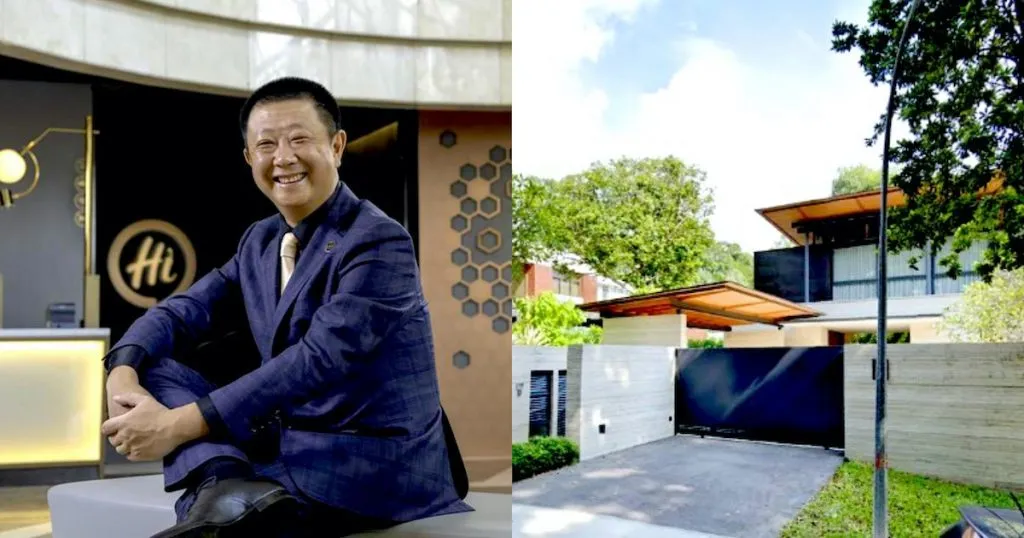
There is also a quieter pattern in who is buying. The Shi family’s two Cluny Hill bungalows sit near three Gallop Road properties owned by fellow Haidilao co-founders Shu Ping and Zhang Yong. The 2022 purchase was from the estate of the late Dr Lee Wei Ling. This is not portfolio investing. This is a family assembling adjacency — buying the house next door because the house next door only comes up once. At the very top, property is bought the way my multi-generational clients think about it at their own scale: not “what will this be worth”, but “where will this family be in thirty years”.
From a S$110 million ask to an S$85 million deal
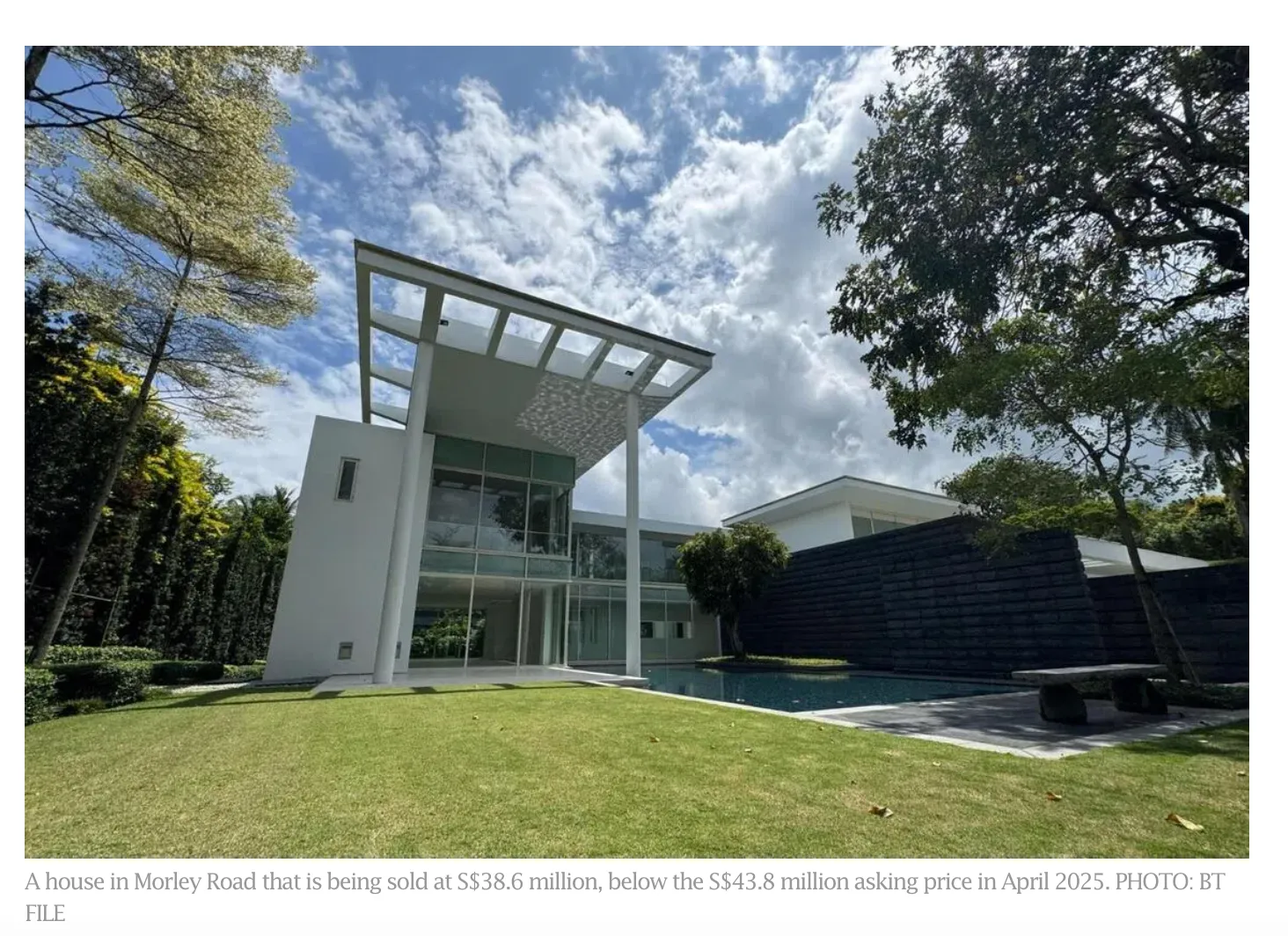
The sellers were reportedly asking S$110 million in 2025. The deal closed at S$85 million — roughly 23 per cent below the ask. Market watchers quoted in the reports say GCB sellers broadly have lowered their price expectations over the past couple of years, and the same Business Times report noted the CK Tang family mansion in Victoria Park Close selling for S$63 million and a Morley Road bungalow going for S$38.6 million.
Sit with that for a moment, because it cuts against the way this story will be told. The headline says “S$85 million!” — strength, records, confidence. The gap between ask and done says something more useful: even at the most protected tier of Singapore property, sellers are meeting the market, not the other way around. Scarcity gave these sellers a buyer at S$85 million. It did not give them S$110 million.
That is the honest version of the scarcity story, and it is the one I would rather my clients hold.
Does any of this trickle down to your home?
Not in the way most commentary will suggest this week. An S$85 million sale on a finite stretch of freehold does not lift the price of a four-room in Bishan, or the condo your family is weighing in Bukit Timah. The GCB market is its own ecosystem — its own supply, its own buyers, its own logic. The link to the rest of the market is sentiment, not transaction. Anyone telling you otherwise is selling something.
What does travel is the principle. Across seventeen years and five cycles since 2009, I have watched the same thing repeat at every price tier:
The genuinely scarce thing tends to hold its value; the merely expensive thing doesn’t always.
Cluny Hill is the extreme case — land that cannot be made again, in a zone that cannot be rezoned, open to a buyer pool that cannot be widened. Your family is not buying that. But every purchase you make sits somewhere on the same spectrum, and the question is the same: is this scarce, or just currently fashionable? A freehold plot in an established landed enclave and a heavily marketed new launch can cost similar money. They are not similarly scarce. One of them has a supply pipeline; the other does not.
If your family owns landed below the GCB tier, this news is neither a windfall nor a warning. It is a reminder to run the future-buyer test on your own street: in fifteen years, who buys this from you, and what will they be paying for — the house, or the land under it? In landed, it is almost always the land. That is precisely the analysis I built the District 19 landed report around, because the answer changes street by street, not district by district.
What I’d take from this if I were you
If you are one of the families this section is written for — second or third private property, parents and children under one roof, a seven-year question and a twenty-year horizon — here is the read.
Ignore the number. S$85 million is not information for you. The dates are: the deal happened a year before you heard about it, which tells you headlines are a lagging indicator, at every tier, and are no basis for moving faster. The ask-to-done gap is information too: even trophy sellers adjust, so scarcity is a reason to hold quality patiently, never a reason to overpay quickly. And the dead strip of land behind that house is the most practical lesson of all — before you buy any landed property, understand exactly which square feet you are paying for, and which ones you are merely mowing.
The 2am question this news actually raises isn’t “should we move faster”. It’s the deeper one: is what we’re choosing genuinely scarce, or just currently fashionable? That question survives every cycle. The first one rarely does.
The numbers
| Price | S$85 million |
| Land area | 37,036 sq ft (freehold) |
| Land rate | S$2,295 psf |
| Location | Cluny Hill Good Class Bungalow Area |
| Contracted | June 2025 |
| Completed | September 2025 |
| Reported | ~22 May 2026 (The Business Times) |
| Sellers | Singtel chairman Lee Theng Kiat and Veronica Lim |
Questions families ask
What is a Good Class Bungalow (GCB) in Singapore?
A GCB is a detached house inside one of 39 gazetted Good Class Bungalow Areas, the most protected landed class in Singapore, with strict planning rules on minimum plot size and building height. The zoning is the point: the supply is essentially fixed, which is why this tier behaves differently from every other segment. Buyers in GCB Areas generally must be Singapore citizens.
Does a record GCB sale push up prices for ordinary landed homes and condos?
Not directly. An S$85 million trade on a finite stretch of freehold does not reprice a four-room flat in Bishan or a condo in Bukit Timah — the connection is sentiment and headlines, not transactions. What families should take from it is the underlying logic, not the number: scarcity holds value, and that logic applies at every price point.
Why did the Cluny Hill sale only become public a year after the deal?
The transaction was contracted in June 2025 and completed in September 2025, but it was only reported around 22 May 2026. GCB deals are frequently uncaveated and settle privately between families, so they can stay invisible for months or longer. It is a useful reminder that the top of the market moves quietly — by the time you read about a deal, the market that produced it has already moved on.
Is freehold landed property always a good store of value?
No — freehold is a necessary ingredient at this tier, not a guarantee. The same Business Times report noted GCB sellers have lowered their price expectations in recent years; this house was asking S$110 million before transacting at S$85 million. Even genuinely scarce assets get repriced. What scarcity buys you is resilience across cycles, not immunity from them.
Who can buy a GCB in Singapore?
Ownership in Good Class Bungalow Areas is generally restricted to Singapore citizens, which keeps the buyer pool small even before you consider the price of entry. That restriction is part of why the segment behaves as its own ecosystem — a fixed supply of land meeting a deliberately narrow pool of eligible buyers.
Reporting referenced: The Business Times. Analysis and views are Adrian Lim's own.
Talking it through beats reading about it.
If this story touches a decision your family is weighing, send Adrian a message. A first conversation costs nothing and commits you to nothing.
WhatsApp Adrian · +65 8183 2333More from Insights
The S$880,000 landed home: what the price is actually telling you
The number is real. The number is also the easy part of the story.
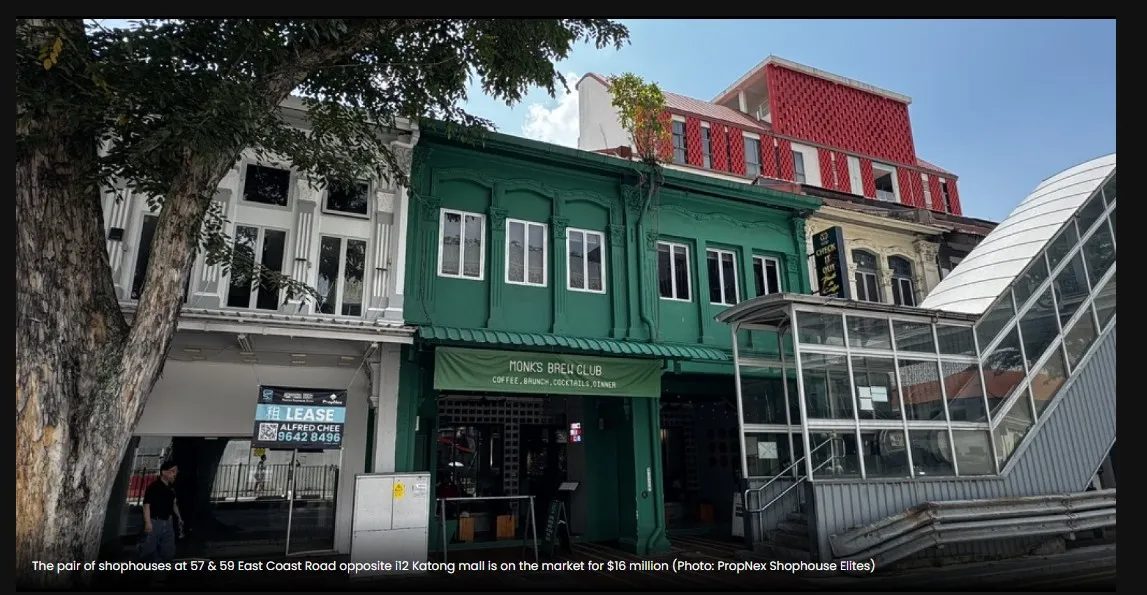
A S$16M Ask on East Coast Road: How to Read a Shophouse Listing
A listing price is a question the market asks itself. The answer arrives later, quietly, in the print.
The S$2.93 Million Leonie Gardens Profit Took 28 Years. That's the Story.
Everyone is quoting the profit. Almost nobody is doing the division.