The Serra Residences at $3,460 psf: Reading a Freehold Launch With No Clock
A freehold Novena launch sold steadily, not wildly, in its first days. The more useful story is what happens when a developer has no deadline to sell.
The short read
Far East Organization sold 25 of the 133 units at The Serra Residences, or 18.8%, after bookings opened on Oct 16, at $3,123 to $4,200 psf and an average of $3,460 psf. That is about 22% of the 113 units released in the first phase. About 80% of buyers are buying for their own use, and the larger penthouse sold for $11.21 million.
PropNex puts the average about 4% above new freehold non-landed homes in the CCR ($3,332 psf) and above new 99-year homes ($3,254 psf). Because the land was bought in 2010, before ABSD was introduced for developers, there is no five-year sales deadline. For buyers, that means a steady launch is unlikely to be followed by a deadline-driven discount.
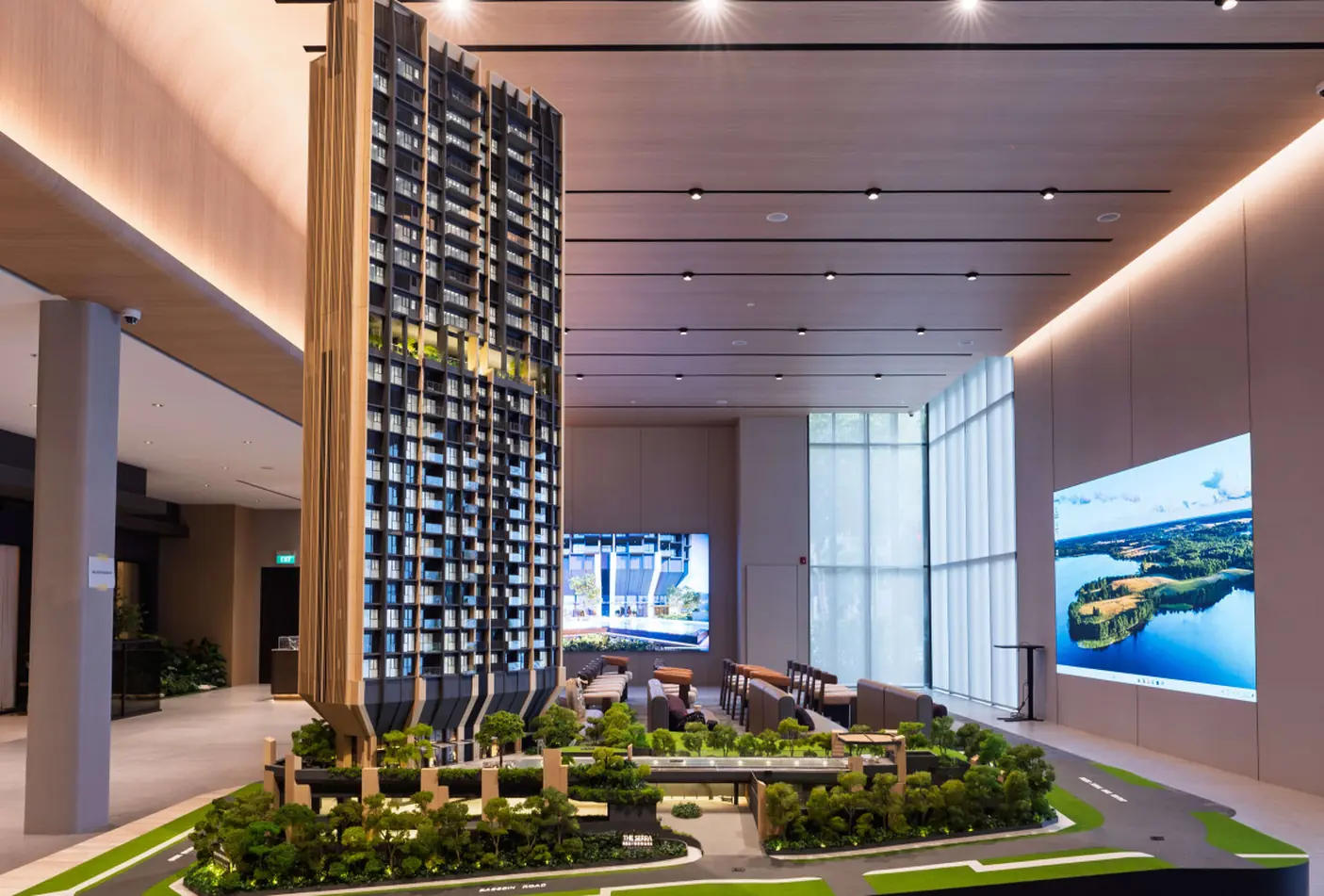
The first new launch in the Novena neighbourhood in five years has put out its opening numbers. They are solid, not spectacular. For a family deciding whether to buy, that is the more useful kind of result.
As EdgeProp Singapore reported on Oct 18, Far East Organization has sold 25 of the 133 units at The Serra Residences, or 18.8%, since bookings opened on Oct 16. Prices ranged from $3,123 to $4,200 psf, with an average of $3,460 psf, according to the developer. Based on the 113 units released in the first phase, take-up is about 22%.
The freehold condo sits on Bassein Road in District 11, a short walk from Novena MRT Station. It is a redevelopment of the former Pastoral View apartment block and an adjacent vacant plot. The top price came from the larger of its two penthouses: 2,669 sq ft, sold for $11.21 million, or $4,200 psf.
I have spent 17 years helping families make property decisions they will live with for a decade or more. One note before I go further: PropNex, where I work, is one of the project’s four joint marketing agents, alongside ERA, Huttons Asia and SRI. So I will stick to what the reported numbers say, and leave the selling to the sales gallery.
How should you read a launch-weekend result?
Start with the two percentages, because they measure different things. The 18.8% is 25 units out of the whole project. The 22% is 25 units out of the 113 the developer chose to release in phase one. Neither is wrong. But when you compare launches, make sure you are comparing the same base.
Then look at what sold. Besides the penthouse, buyers took nine two-bedroom plus study units, two three-bedroom units, seven four-bedroom units, and six four- and five-bedroom premium units. That is a spread across the whole tower, not one cheap unit type carrying the numbers.
The tower is split into two zones. Levels four to 16 hold two-bedroom plus study units of 710 to 721 sq ft, three-bedroom units of 764 to 904 sq ft and four-bedroom units of 958 sq ft. The Summit, on levels 18 to 28, holds larger four-bedroom units of 1,216 to 1,528 sq ft, five-bedroom premium units of 1,755 sq ft, and the two penthouses. SRI’s Mohan Sandrasegeran said the penthouse sale indicates continued interest among buyers looking for “larger and more exclusive residential offerings within the central region”.
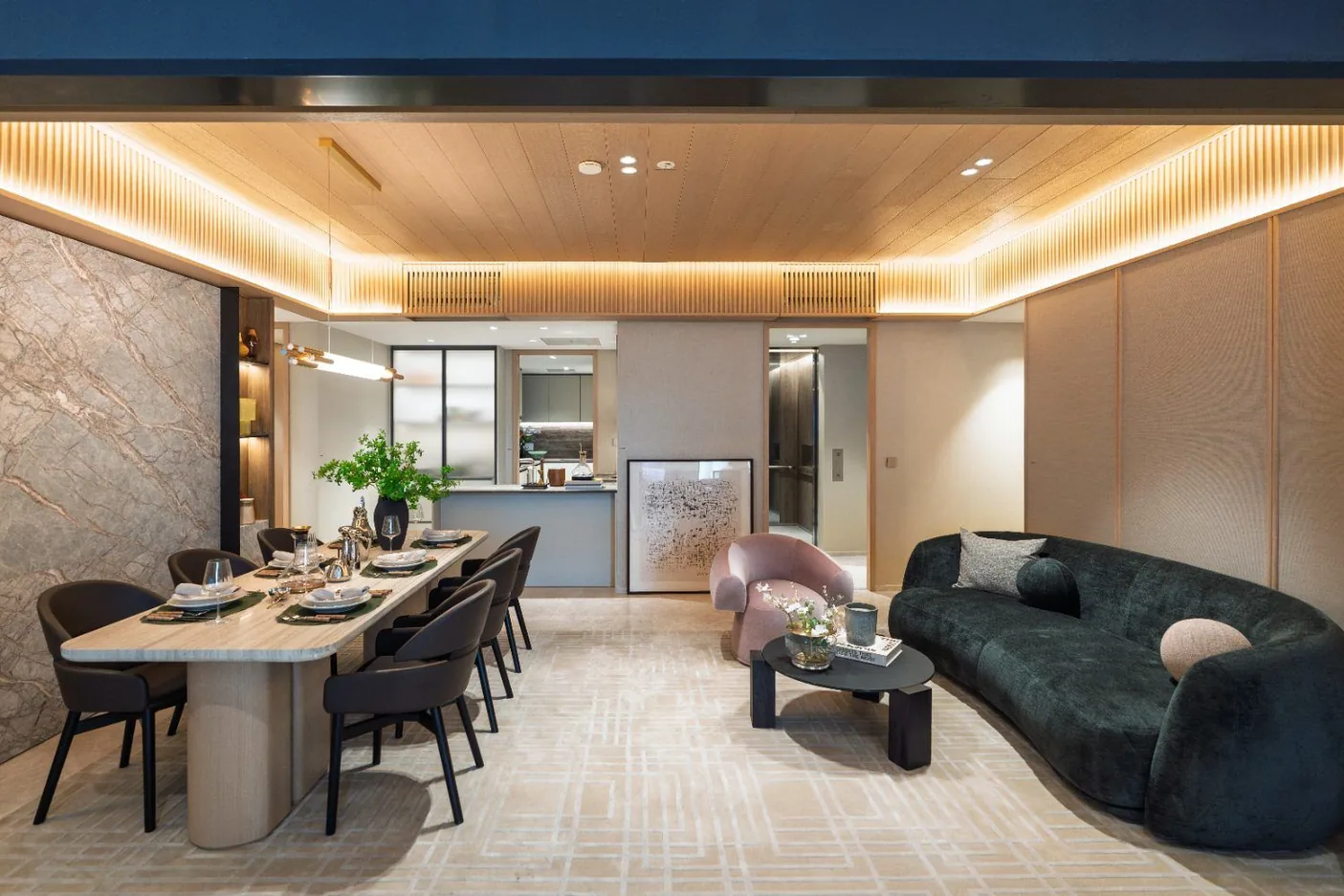
For context, other Core Central Region (CCR) launches this year sold a bigger share over their launch weekends, as EdgeProp noted earlier: Newport Residences (57%) in January, River Modern (90%) in March and Dunearn House (56%) in July. Each project has its own size, pricing and buyer pool, so I would not rank them on one number. What I take from The Serra’s figure is that buyers are choosing carefully at this price, not rushing.
A steady launch is not a weak launch. It usually means buyers are paying for a specific unit, not for the fear of missing out.
Is freehold still worth paying more for in the CCR?
Here the PropNex figures are helpful. According to CEO Kelvin Fong, The Serra’s $3,460 psf average is about 4% above new freehold non-landed homes in the CCR, which averaged $3,332 psf from January to Oct 10 based on caveats lodged. New 99-year leasehold non-landed homes in the CCR averaged $3,254 psf over the same period. By my arithmetic, that puts The Serra roughly 6% above the 99-year average.
What strikes me is how close the two CCR averages now sit. EdgeProp’s earlier feature cited PropNex Research showing the median price of new freehold CCR launches at about $3,160 psf in 3Q2026, against about $3,110 psf for 99-year launches. That is a gap of roughly 1.6%, down from more than 37% in 2018.
At the same time, freehold supply in the CCR is thin. Huttons Asia counted close to 4,000 new private non-landed homes launched in the CCR from 1Q2024 to 2Q2026, of which only 287, or 7%, were freehold. Huttons also found that since 2015, resale freehold non-landed homes in the CCR have appreciated 36%, against 25% for 99-year leasehold ones.
Far East Organization’s COO Shaw Lay See framed it this way: between two new launches in the same location, the premium may not mean much, “but 20 years down the road, when you want to resell, there will be a difference”.
For a family, I would put it more simply. A small entry premium for freehold is a different question from a large one. When the gap is a few percent, tenure becomes a question of how long you plan to hold and who you plan to pass the home to, not a question of whether you can stretch.
Why does having no ABSD clock change a developer’s pricing?
This is the part of the story most buyers will skip, and it is the part I would read twice.
Developers who buy residential land today generally face a five-year Additional Buyer’s Stamp Duty (ABSD) remission deadline. To qualify for ABSD remission on the land, they must complete the project and sell every unit within five years. That deadline applies to more recent collective-sale and Government Land Sales sites.
The Serra’s site is different. Far East Organization and its partner bought Pastoral View and the adjacent plot in 2010 for a combined $122 million, about $848 psf per plot ratio, including development charges. ABSD was only introduced for developers in December 2011. So the five-year deadline does not apply.
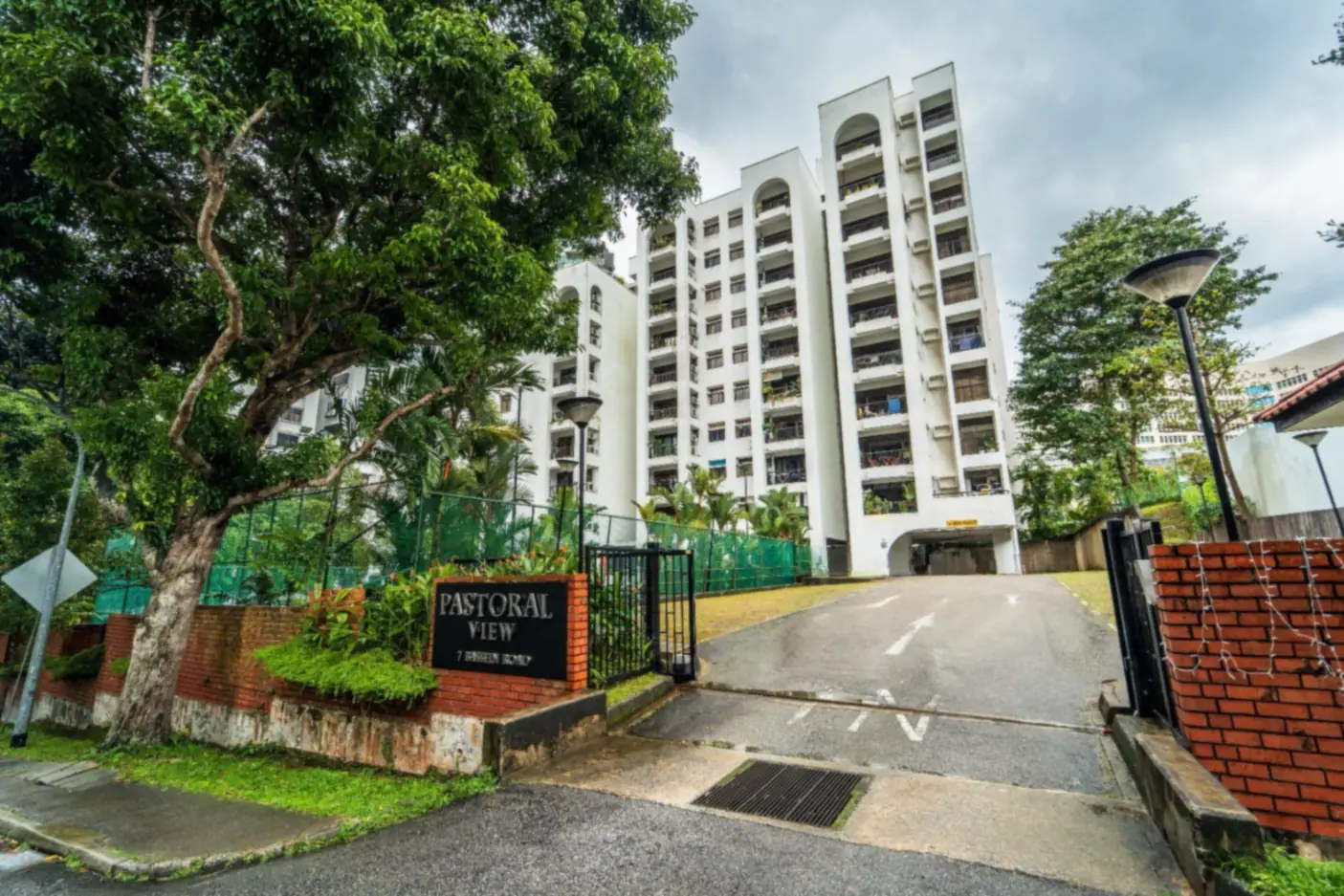
Rather than redevelop right away, the owners refurbished Pastoral View’s 50 apartments and leased them out, with occupancy “always around 95%”, according to Shaw. They waited about 16 years while HealthCity Novena took shape around the site.
Fong summed up what that means: “Without a sales deadline to meet, the developer can price for the market rather than for the ABSD clock, and we think pricing is likely to hold steady as sales progress.” Shaw said much the same in the earlier feature: the developer is “not under a deadline to sell” and is focused on long-term value “rather than on reducing prices to move units quickly”.
When a developer has no deadline, the price list stops being a countdown. It becomes a statement of what they think the home is worth.
What does that mean for buyers who wait?
In a deadline-driven project, a slow launch can sometimes lead to sharper pricing later, as the clock runs down. That logic does not carry over here.
If you like this project and are tempted to wait for a discount, be honest about what you are waiting for. The developer has said it will take a measured approach to pricing. Shaw also pointed out that with just 133 homes, “the choice of units will naturally be limited”. In a small project, waiting usually costs you choice of stack, floor and facing before it saves you money.
There is also the wider price trend to weigh. PropNex Research, as cited in the earlier feature, estimated that future CCR projects could cross $3,500 psf, based on recent land prices for CCR Government Land Sales sites. That is an estimate, not a promise. But it is one reason I would not assume today’s launch prices are the top of the range.
None of this means you should hurry. It means the decision should turn on the unit and your family’s plans, not on a price drop that the structure of this project gives no reason to expect.
Who is buying, and what does a decade in Novena look like?
Far East Organization says about 80% of buyers are purchasing for their own use. Singaporeans make up 75% of buyers, and the rest are permanent residents originally from Australia, Britain, China, the Philippines and Taiwan. Buyers include business owners and professionals in the medical, banking and finance, and legal sectors.
A high own-stay share matters to me for a simple reason. Owner-occupiers tend to hold, and that tends to make for a calmer building in the years after completion. The Serra is expected to obtain its temporary occupation permit in 4Q2030, so this is a long runway either way.
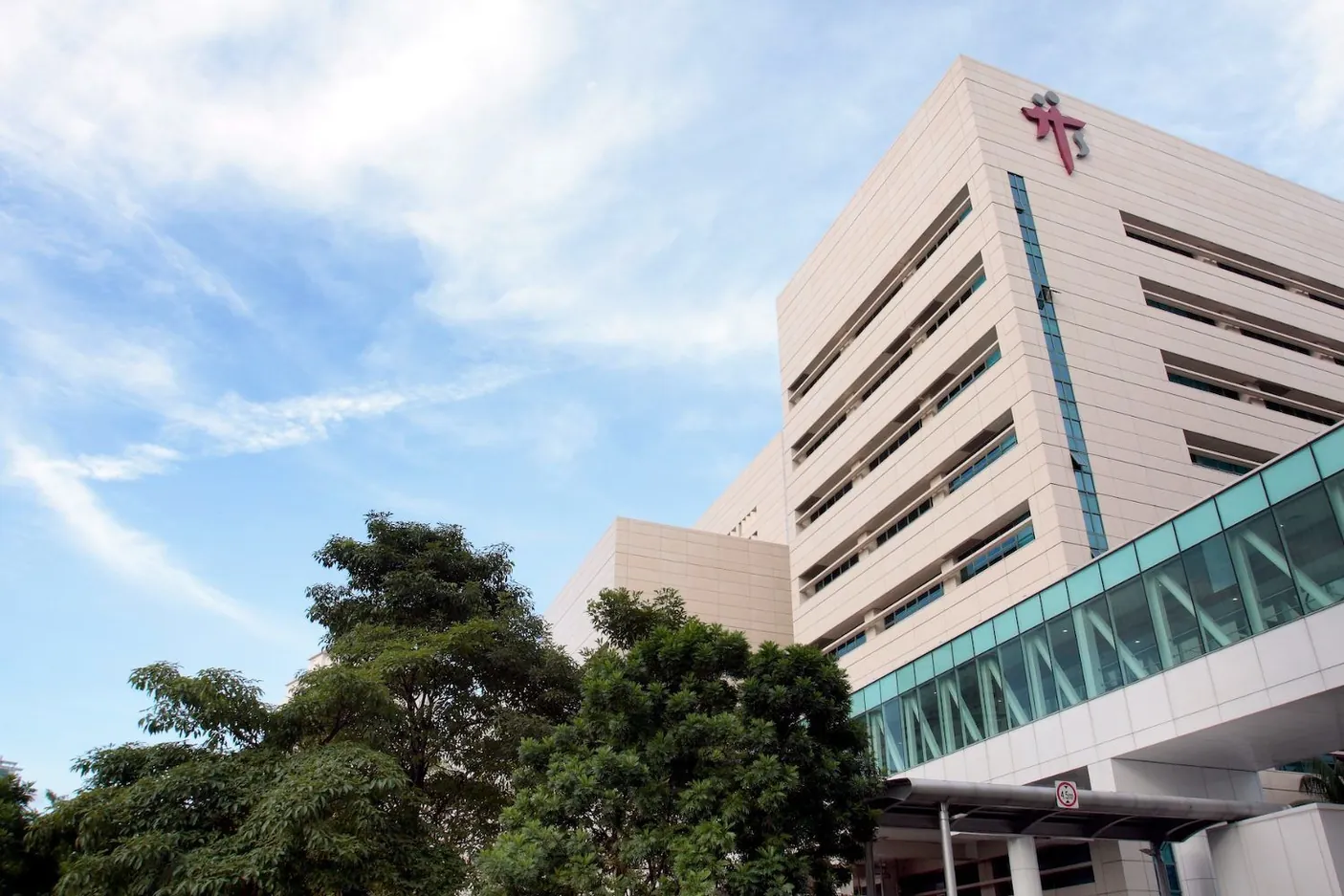
The neighbourhood story is long-term too. HealthCity Novena’s first phase was completed in 2024. Its second phase includes a new TTSH Medical Tower that will add about 600 acute beds. The 2 Moulmein Road lifestyle hub, within walking distance of The Serra, is targeted to open in 1Q2027. St Joseph’s Institution Junior and Hong Wen School are within 1km.
On rental demand, Huttons Asia CEO Mark Yip said the Novena planning area recorded an estimated 28,000 rental contracts from 1Q2021 to 3Q2026, with rents growing 41.7% over the period, or 7.2% a year. That is past data, and it does not tell you what a specific unit will rent for in 2031. But it does show the area has had steady demand from tenants.
When I look at a project like this for a family, these are the questions I would ask:
- Will you live here for 10 years or more? Freehold and a slow-maturing precinct reward patience.
- Does the unit fit your family at the size it will be in 2030, not just today?
- Would you still be comfortable with the price if values stayed flat for several years?
If you are weighing a freehold launch against a leasehold one, or deciding whether Novena fits your family’s next decade, I am always glad to talk it through.
The numbers
| Project | The Serra Residences, Bassein Road, District 11; freehold; 133 units in a single 28-storey tower |
| Developer | Far East Organization |
| Bookings opened | Oct 16, 2026 |
| Units sold | 25 of 133 (18.8%); about 22% of the 113 units released in phase one |
| Prices achieved | $3,123 to $4,200 psf; average $3,460 psf (per the developer) |
| Top sale | 2,669 sq ft penthouse, $11.21 million ($4,200 psf) |
| Buyer profile | About 80% own use; 75% Singaporeans, the rest PRs |
| CCR comparison (Jan to Oct 10, PropNex) | New freehold non-landed $3,332 psf; new 99-year non-landed $3,254 psf |
| Land | Bought in 2010 with the adjacent plot for $122 million, about $848 psf ppr; not subject to the five-year ABSD remission deadline |
| Expected TOP | 4Q2030 |
Questions families ask
How well did The Serra Residences sell at launch?
Far East Organization sold 25 of the 133 units, or 18.8%, after bookings opened on Oct 16. Measured against the 113 units released in the first phase, take-up was about 22%. Prices ranged from $3,123 to $4,200 psf, with an average of $3,460 psf. Other CCR launches this year, such as Newport Residences (57%), River Modern (90%) and Dunearn House (56%), sold a larger share over their launch weekends, so this is a steady result rather than a sell-out.
Is The Serra Residences expensive compared with other CCR new launches?
According to PropNex CEO Kelvin Fong, its $3,460 psf average is about 4% above new freehold non-landed homes in the CCR, which averaged $3,332 psf from January to Oct 10 based on caveats. New 99-year leasehold non-landed homes in the CCR averaged $3,254 psf over the same period. So it is priced above both averages, but within a few percent of the freehold benchmark.
Why does it matter that The Serra Residences is not under the ABSD deadline?
Developers who buy residential land today generally face a five-year ABSD remission deadline to complete and sell all units. Far East Organization bought this site in 2010, before ABSD was extended to developers in December 2011, so that deadline does not apply. Without a deadline, the developer has no reason to cut prices to clear units by a date. Fong said he thinks pricing is likely to hold steady as sales progress.
Should I wait for prices at The Serra Residences to fall?
Waiting for a deadline-driven discount does not make sense here, because there is no deadline. The developer has said it will take a measured approach to pricing and focus on long-term value rather than reducing prices to move units quickly. With only 133 homes, the choice of units will also narrow as sales go on. A buyer who waits is more likely trading unit choice for time than trading time for a lower price.
Is Novena a good place to hold a home for the long term?
The reported data points to steady demand. Huttons Asia estimated about 28,000 rental contracts in the Novena planning area from 1Q2021 to 3Q2026, with rents up 41.7% over the period. HealthCity Novena's second phase, launched in September 2025, runs beyond 2030 and includes a new TTSH Medical Tower with about 600 acute beds. The 2 Moulmein Road lifestyle hub is targeted to open in 1Q2027. Whether that suits your family depends on how long you plan to stay and how you will use the home.
Reporting referenced: EdgeProp Singapore. Analysis and views are Adrian Lim's own.
Talking it through beats reading about it.
If this story touches a decision your family is weighing, send Adrian a message. A first conversation costs nothing and commits you to nothing.
WhatsApp Adrian · +65 8183 2333More from Insights
One Marina Gardens at $3,290 psf: What a Record High Really Signals
A new print at the top of District 1 is real news. It is also, for most Singapore families, scenery — and knowing the difference is worth more than the headline.
A Record EC Land Bid Under Tighter Rules: What Canberra Drive Tells Buyers
The new EC rules were meant to cool developer bids. The first tender under them drew the biggest crowd in years and a record price. Here is how a family should read that.
The S$2.93 Million Leonie Gardens Profit Took 28 Years. That's the Story.
Everyone is quoting the profit. Almost nobody is doing the division.