A Four-Hectare Park on Orchard Road: What Green Space Does to Value
Parks do change what an address is worth. They do it slowly, unevenly, and mostly for people who were going to stay anyway.
The short read
Istana Park, Dhoby Ghaut Green and the Penang Road open space are to be combined into a single park of more than four hectares at the Dhoby Ghaut end of Orchard Road — part of a longer effort to make Orchard greener and more walkable rather than purely a retail belt.
Green space is one of the more durable amenities a precinct can gain: unlike a mall or a restaurant cluster it does not go out of fashion, and unlike a transport project it does not come with years of construction next door. But the effect is local — measured in minutes of walking, not districts — and it arrives slowly. If you are within a genuine walk of it, this is a small permanent improvement. If you are not, it is somebody else's park.
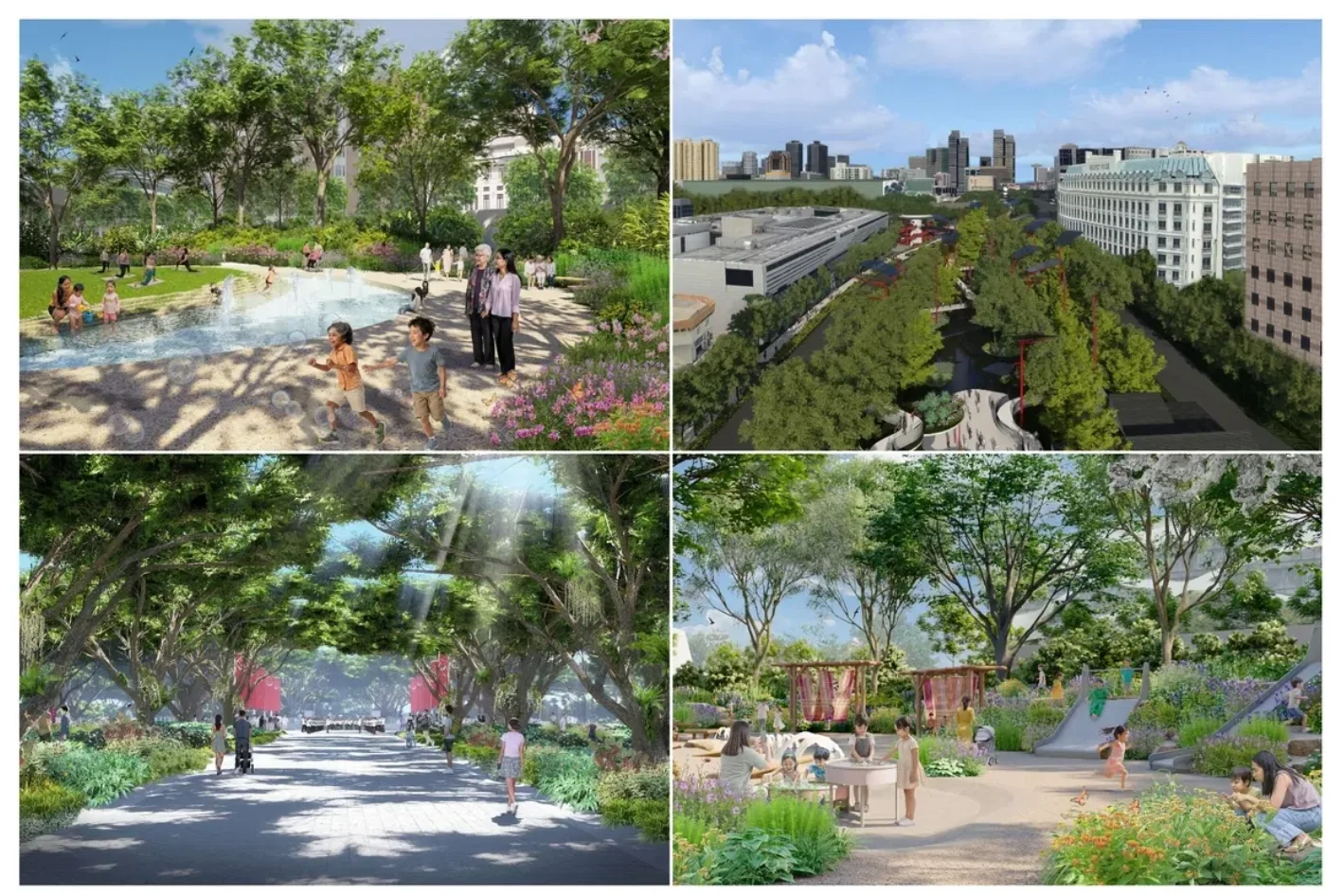
The Straits Times reports that three separate pockets of green at the top of Orchard Road — Istana Park, Dhoby Ghaut Green and the open space along Penang Road — will be combined into a single park of more than four hectares.
It is not a dramatic piece of news, and I would like to make a case for paying attention to it anyway, because this category of change tends to matter more over a long hold than the headline transactions people actually discuss.
Why green space is different from other amenities
Precincts gain amenities all the time. A new mall opens, a restaurant cluster emerges, a co-working operator takes three floors. Most of these are fashion, and fashion moves. The retail that defined Orchard Road twenty years ago is not the retail there now, and some of what is there now will not survive the next decade of how people shop.
Parks do not work that way. A well-made park with mature trees is worth more in twenty years than the day it opens, which is close to the opposite of how most built amenities age. It does not depend on an operator staying solvent. It does not become dated. In a city this hot, shade is not a lifestyle preference but a practical determinant of whether a route is walkable at two in the afternoon.
There is a second reason this particular move is interesting. Orchard has been trying for years to become something other than a shopping street — somewhere people linger rather than transact. Consolidating three fragmented pockets into one continuous four-hectare stretch is a real step, because fragmented green space does not function as green space. Three separate patches cut by roads are three places to walk past. One connected park is a place to go.
The catchment is smaller than the excitement
Here is where I temper it.
Value from a park attaches to walking distance, and in Singapore’s climate walking distance is shorter than people admit. The homes that genuinely benefit are the ones from which you would actually stroll over on a Sunday morning — Orchard, Cairnhill, Sophia, Handy Road addresses at the Dhoby Ghaut end. For those, this is a small permanent upgrade to the daily experience of living there, and daily experience is what eventually shows up in what buyers will pay.
For a home further out, this is a district-level fact. It will appear in listing copy. It will not change what your unit is worth, and it should not change what you pay.
The distinction matters because precinct news is routinely marketed as though it applies to everyone within a postal district. It does not. The correct question is not “is this near my area” but “would I walk there, and how often”.
What this does and does not do to prices
Let me be careful here, because the honest answer is undramatic.
A four-hectare park is a marginal positive to a set of already expensive addresses whose values are determined by other forces entirely — scarcity of stock, tenure, unit sizes, the depth of the buyer pool for prime residential, and the policy settings that govern who may buy. Against those, green space is a tiebreaker.
What it does more reliably than move prices is support them. Amenities that make a precinct pleasant to live in tend to shorten the time it takes to find a buyer or a tenant, and reduce how far you have to concede in a soft market. That is a quieter benefit than appreciation and, for a long-term owner, often a more useful one.
And it arrives slowly. Value follows use; use follows completion, planting and the years it takes for people to build the park into their routines. Anyone attaching a number to this in 2026 is selling something.
If you own nearby
Two practical notes.
If you are letting a unit within the walking catchment, this becomes a genuine line in your listing over the next few years — particularly for the tenant profile that chooses central living for lifestyle rather than commute. Not yet, though. Wait until there is something to photograph.
If you are considering selling within the catchment in the next couple of years, the park is a supporting detail rather than a reason to wait for it. The maturity that makes green space valuable is a decade-scale process, and holding an asset for a decade to capture a marginal amenity effect is not a strategy — it is a rationalisation for a decision made on other grounds.
The way I read precinct news generally
My test is the future buyer, and it is useful here.
If you buy in this catchment now and sell in fifteen years, your buyer will be looking at a mature park that has been part of the neighbourhood their whole adult life. They will not pay a premium for it as news, because it will not be news. It will simply be one of the reasons the address feels like somewhere people want to live — which is exactly how amenities are supposed to end up working.
That is the right way to hold this kind of story. Not as a catalyst, not as an urgency, but as one more small thing that makes a place durable. Durability is what you are actually buying when you buy a home to hold across a family’s life, and it accumulates from unremarkable news like this rather than from records and headlines.
If you own in the catchment and want a view on what it means for your specific hold or exit, that is worth a proper look at your own numbers rather than a district-level generalisation.
The numbers
| What | Istana Park, Dhoby Ghaut Green and the Penang Road open space combined |
| Size | More than 4 hectares |
| Where | Dhoby Ghaut end of Orchard Road, Core Central Region |
| Nearest residential catchment | Orchard, Cairnhill, Sophia and Handy Road addresses |
| Intent | Repositioning Orchard as a greener, more pedestrian-friendly precinct |
Questions families ask
Does being near a park increase property value in Singapore?
Proximity to good, usable green space is consistently one of the attributes buyers pay for, and it holds up better than most because it does not date. The important qualifier is distance. The premium attaches to homes within a comfortable walk — a few minutes, on a route people will actually use in this climate. A park two MRT stops away is a nice fact about your district and not a feature of your home.
Should I buy a CCR condo because of the new Orchard park?
Not on its own. A four-hectare park is a genuine improvement to a precinct and a marginal one to any individual purchase decision, and CCR pricing is driven overwhelmingly by other things — scarcity, tenure, unit size and the buyer pool for that address. If you were already weighing two comparable homes and one sits inside the walking catchment, the park is a fair tiebreaker. As a reason to enter the segment, it is far too light.
How long before a new park affects nearby home prices?
Longer than the announcement cycle suggests. Value follows use, and use follows completion, landscaping maturity and people gradually rebuilding their routines around a space. Trees need years. In the meantime the main visible effect is on marketing material, where the park will appear in launch brochures well before anyone has walked in it.
Is Orchard Road a good place to live?
It suits a particular household well: people who want to be at the centre, who value walkability to work and dining over space, and who are untroubled by weekend crowds. It suits families needing school runs, quiet and floor area considerably less. The greening effort is aimed squarely at the first group, and at making the precinct somewhere people spend time rather than only shop.
Do developers overstate amenities like this?
Frequently, and the tell is when a future amenity is priced as though it already exists. A park announced today is worth something real to a fifteen-year hold and very little to a three-year one. Be willing to pay for a precinct you will still be living in when it matures. Be cautious about paying today's premium for a maturity someone else will enjoy.
Reporting referenced: The Straits Times. Analysis and views are Adrian Lim's own.
Talking it through beats reading about it.
If this story touches a decision your family is weighing, send Adrian a message. A first conversation costs nothing and commits you to nothing.
WhatsApp Adrian · +65 8183 2333More from Insights
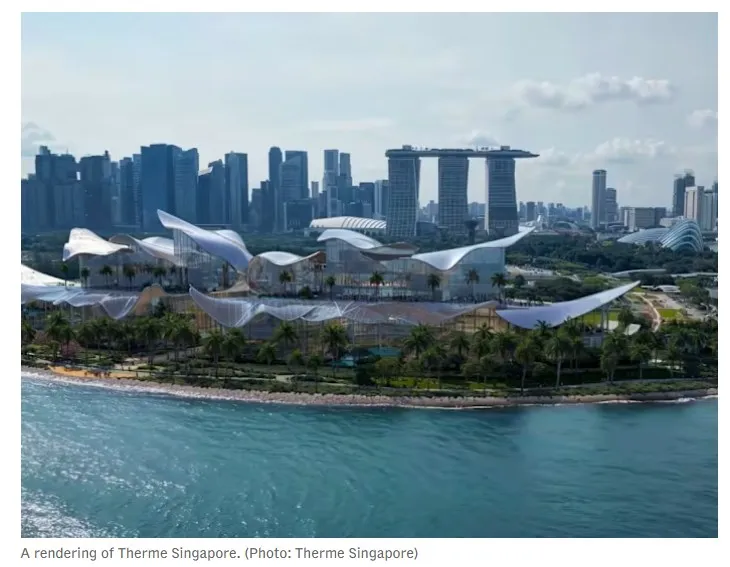
Therme at Marina South: What a 2030 Wellness Hub Does to Home Values
A 720,000 sq ft wellness destination is a real catalyst for Marina South. It is also five years away, and that gap is where families get the decision wrong.
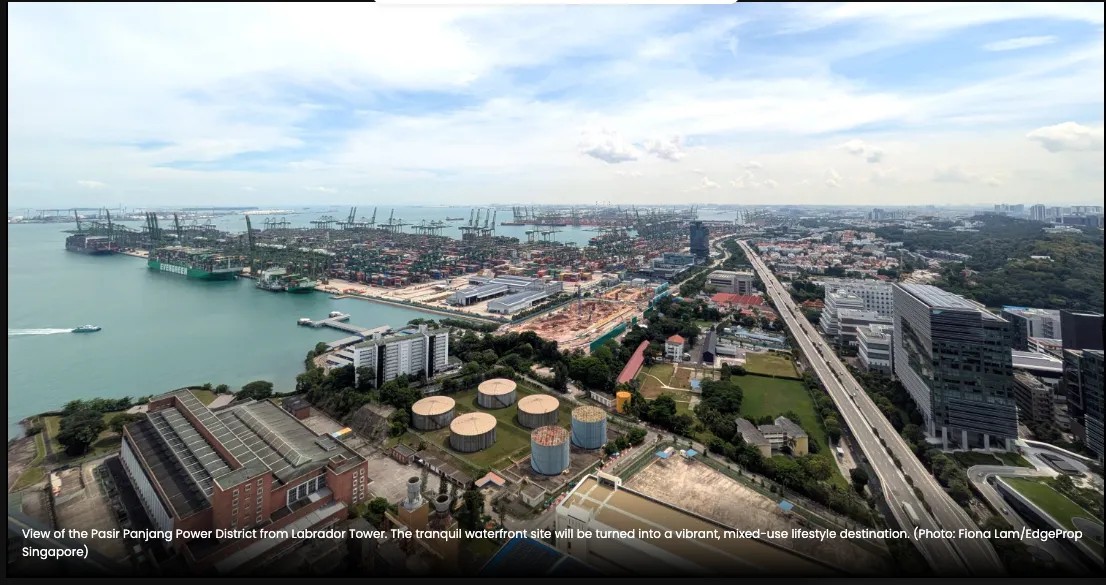
The Greater Southern Waterfront: Reading a 30km Story on Family Time
A 30-kilometre transformation is not one decision. It is several, on different clocks — and the clock that matters most is your family's.
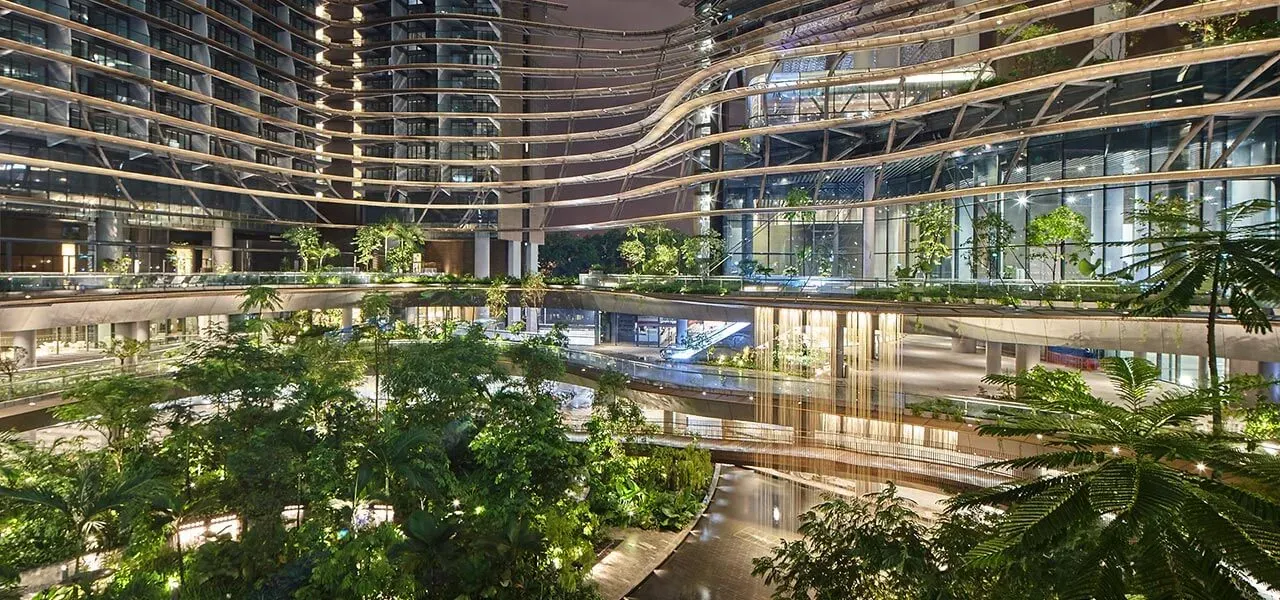
Marina One's $1,702 psf Record Low: What It Tells You About CCR Value
A record low at Marina Bay made headlines this week. The number is the easiest part of the story — the harder part is what it means, and for whom.