HDB's $4.7 Billion Deficit: What It Says About the Value of a BTO Flat
The deficit is the cost of the subsidy in your flat. Set against the most contested BTO launch since 2022 and rising building costs, here is how a family should weigh it.
The short read
HDB ran a net deficit of $4.7 billion in FY2025 (April 2025 to March 2026), down from $6.34 billion in FY2024, according to its annual report as reported by The Straits Times. HDB said it incurs a deficit because revenue from flat sales does not cover the total development costs of BTO flats and the housing grants given to buyers. The Government funded it with a $4.73 billion grant.
In plain terms, the deficit is the cost of the subsidy built into each new flat. Demand for that subsidy is strong: the November BTO exercise drew 35,603 applicants for 7,964 flats, the highest application rate since August 2022. For families, the subsidy is real, but it comes with conditions: the wait, the MOP and, for Prime and Plus flats, a clawback on resale.
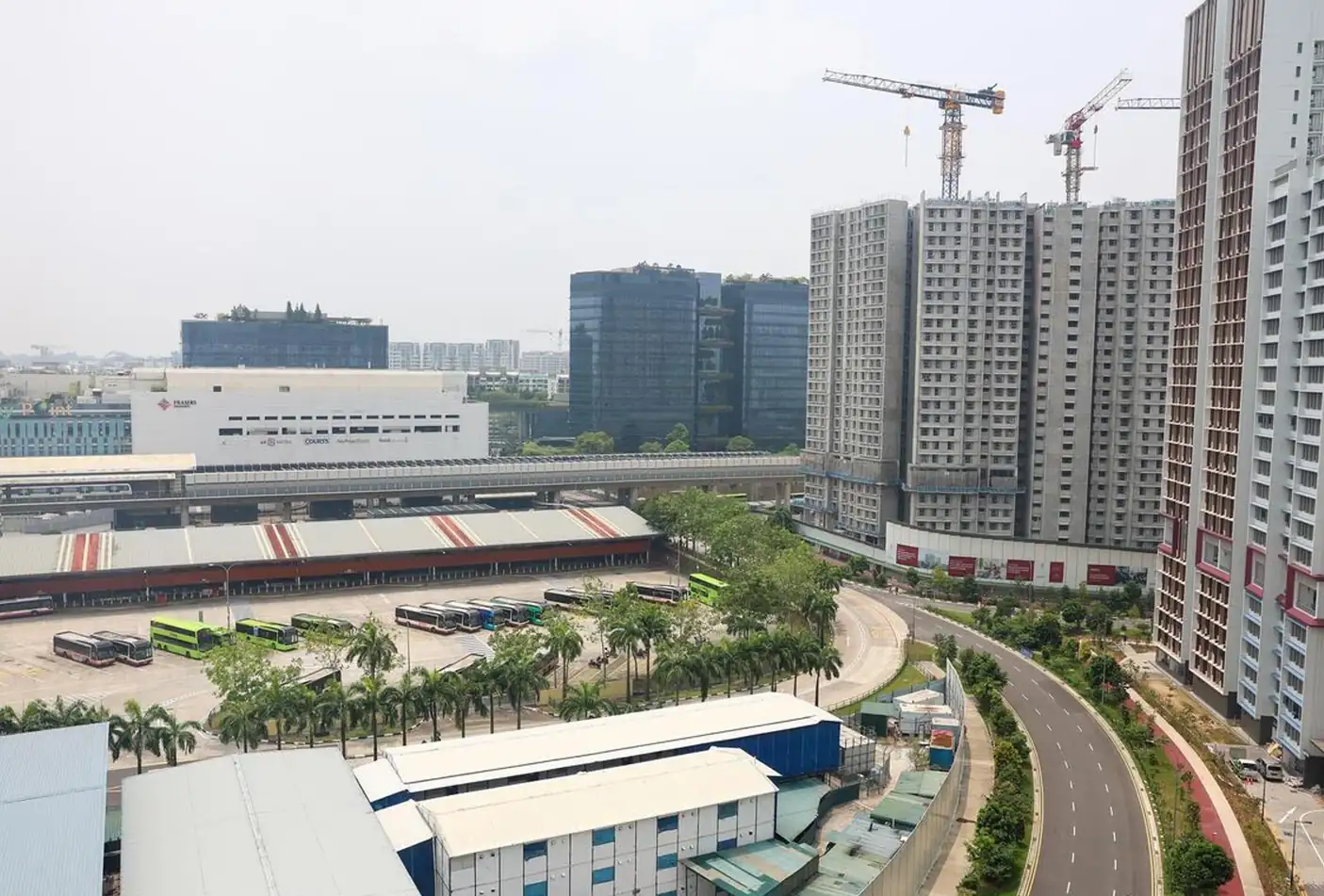
As The Straits Times reported on Nov 11, the Housing Board ran a net deficit of $4.7 billion in its 2025 financial year, which runs from April 2025 to March 2026. That is down from $6.34 billion in FY2024. ST said the roll-out of Build-To-Order flats and the disbursement of housing grants led to the shortfall.
The figures come from HDB’s annual report. Core activities, such as building and selling flats, ran a $5.13 billion shortfall. A $419 million surplus from other activities, such as managing commercial properties, offset part of it. To finance the deficit, HDB received a $4.73 billion government grant for the year, down from $6.35 billion the year before. Since it was set up in 1960, HDB has received $66.23 billion in grants.
The same day, the November BTO exercise closed for applications. As at 5pm, there were 35,603 applicants for 7,964 flats. And on Nov 11, JLL forecast that construction costs in Singapore will keep rising into 2027.
Three numbers in one week. Read together, they tell a family something useful about choosing between a new flat, a resale flat or waiting. I have spent 17 years helping families make housing decisions they live with for a decade or more, often with more than one generation at the table. Here is how I read them.
Why does HDB run a deficit at all?
The answer is in HDB’s own explanation, as ST reported it. HDB incurs a deficit because revenue from flat sales is not enough to cover the total development costs of BTO flats and the housing grants given to buyers.
So the deficit is not a sign that something has gone wrong. It is the price tag of the subsidy. When you buy a BTO flat, what you pay does not cover what the flat cost to build, and you may receive grants on top. The Government covers the gap through its grant to HDB.
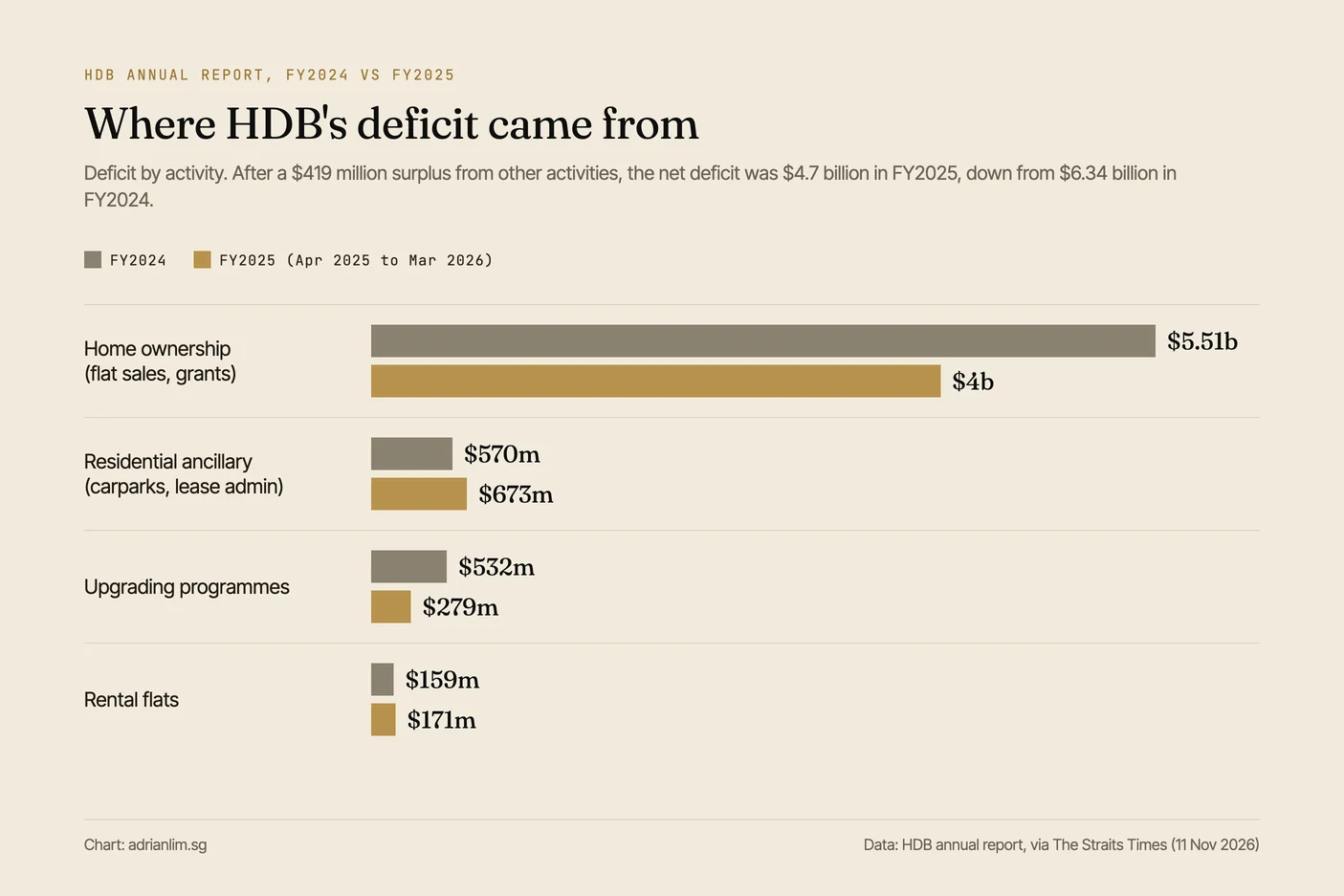
Most of the $4.7 billion sits in what HDB calls “home ownership”. That part ran a $4 billion deficit in FY2025, down from $5.51 billion. Within it, $1.75 billion arose from flat sales. Another $1.31 billion came from expected losses on flats still under construction, after accounting for flats already sold. And $711 million went out as CPF housing grants to eligible buyers of resale flats and executive condominiums.
That last figure matters for upgraders and resale buyers. The subsidy is not only for BTO buyers. If you buy a resale flat or an EC with a CPF housing grant, you are drawing on the same support.
Why did the deficit shrink this year?
ST’s report does not single out one cause, so I will stick to what the numbers show.
The home ownership deficit fell by about $1.5 billion. In the same year, HDB completed 15,417 flats, down from 20,294 in FY2024. But it had 100,122 flats under construction, more than the 91,941 a year earlier. It also handed keys to 19,254 households, up from 17,633.
Upgrading programmes cost less: $279 million, down from $532 million. HDB said this was due to lower spending on the Home Improvement Programme, as works for some projects were close to completion, with most of the spending incurred in earlier years. Other HIP projects, it said, were still in their early stages, with spending yet to ramp up.
Two items went the other way. The deficit from residential ancillary functions, such as lease administration and carparks, rose to $673 million from $570 million. HDB said this was partly due to higher spending on electrical supply upgrades for older blocks, to meet residents’ growing electricity demand. Rental flat operations cost $171 million, up from $159 million.
A smaller deficit does not mean a smaller subsidy in your flat. It moves with what was built, sold and spent in a given year.
I would be careful about reading the lower figure as a change in policy. One year’s number moves with what was completed, sold and spent in that year. With 100,122 flats under construction and some upgrading spending still to come, the commitment behind public housing has not shrunk.
What does the BTO rush tell you about the value of the subsidy?
Families are answering that question with their applications. As ST reported, 35,603 applicants were vying for 7,964 flats as at 5pm on Nov 11, about 4.5 applicants per flat. Huttons Asia’s Lee Sze Teck said that is the highest BTO application rate since August 2022, when it was 7.8. It was also the most applications for a BTO launch since October 2024, when there were 35,678. The June exercise drew about 22,600 applicants, and February’s about 14,000.
National Development Minister Chee Hong Tat said the increase was not unexpected, as more Singaporeans are now eligible after the income ceilings were raised to $16,000 a month for families and $8,000 for singles. He said the median application rate among first-timer families for three-room and larger flats was 2.6 in this exercise, against 1.4 in June.
Toa Payoh Hillside, the only Prime project in the launch, shows the subsidy most clearly. CNA reported 5,980 applicants for 584 four-room flats, more than six per flat, even with an 11 per cent subsidy clawback on resale. Its four-room flats are priced from $558,000 to $832,000 before grants. ERA’s Eugene Lim said the starting price compares favourably with nearby resale units, which sold for between $820,000 and $1.2 million.
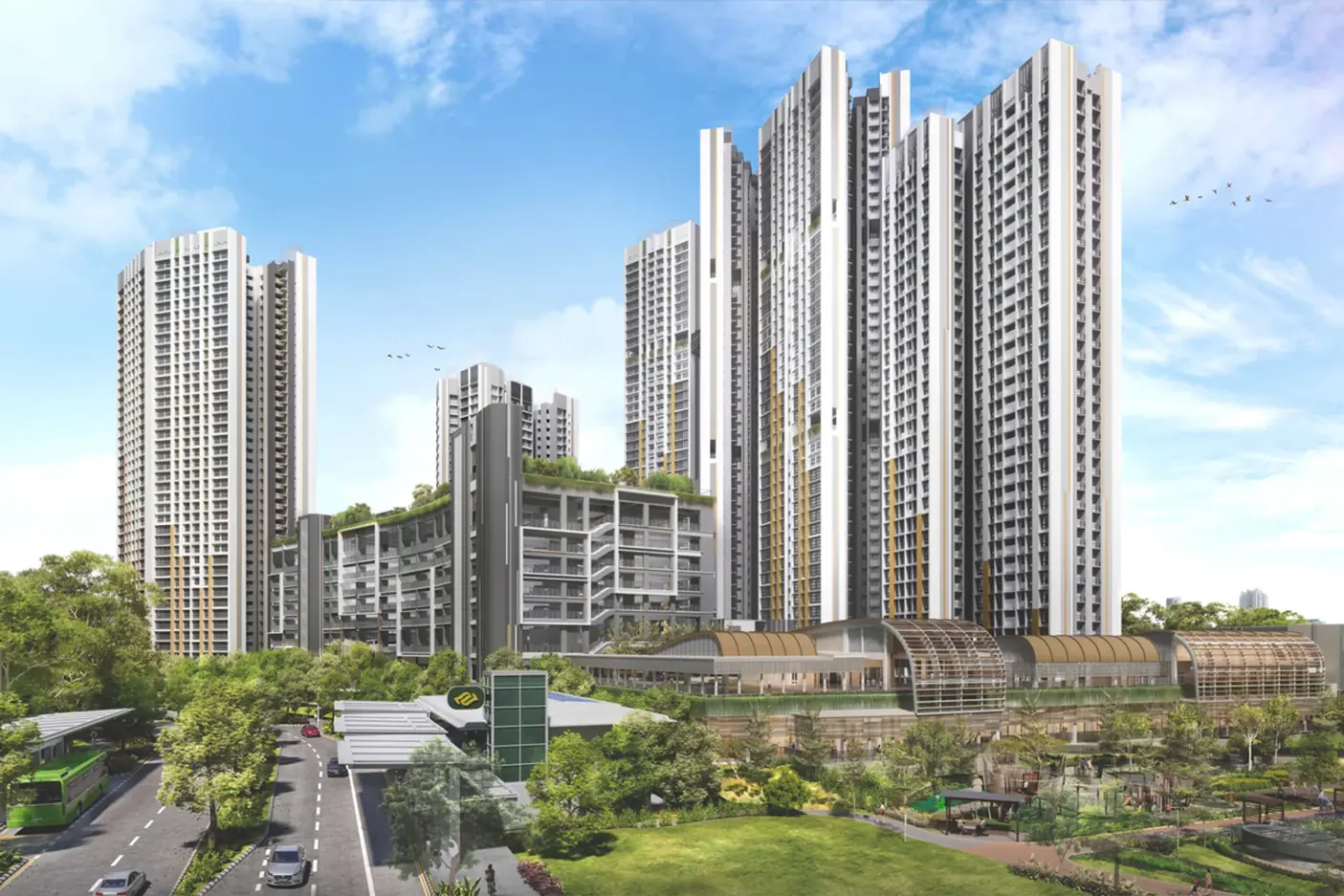
The gap between a new-flat price and the nearby resale market is the deficit made visible. It is also why the competition is so stiff.
Will rising construction costs change the picture?
Separately, EdgeProp reported JLL’s forecast that construction costs in Singapore will rise 2.5 to 3.5 per cent for the whole of 2026, then 2.3 to 3.3 per cent in 2027. JLL said the outlook is supported by a balanced pipeline of BTO public housing, mixed-use commercial and infrastructure works. It also noted that cumulative tender price inflation in Singapore since 2021 has reached 30.2 per cent, against consumer price inflation of 17.7 per cent.
Put that next to HDB’s explanation of its deficit. If flat sales do not cover development costs, and building costs have been climbing faster than general prices, then each new flat carries a cost the Government has to keep funding. JLL’s figures cover construction broadly, not HDB’s own costs. None of the reports I have read says what this means for future BTO prices, and I will not guess.
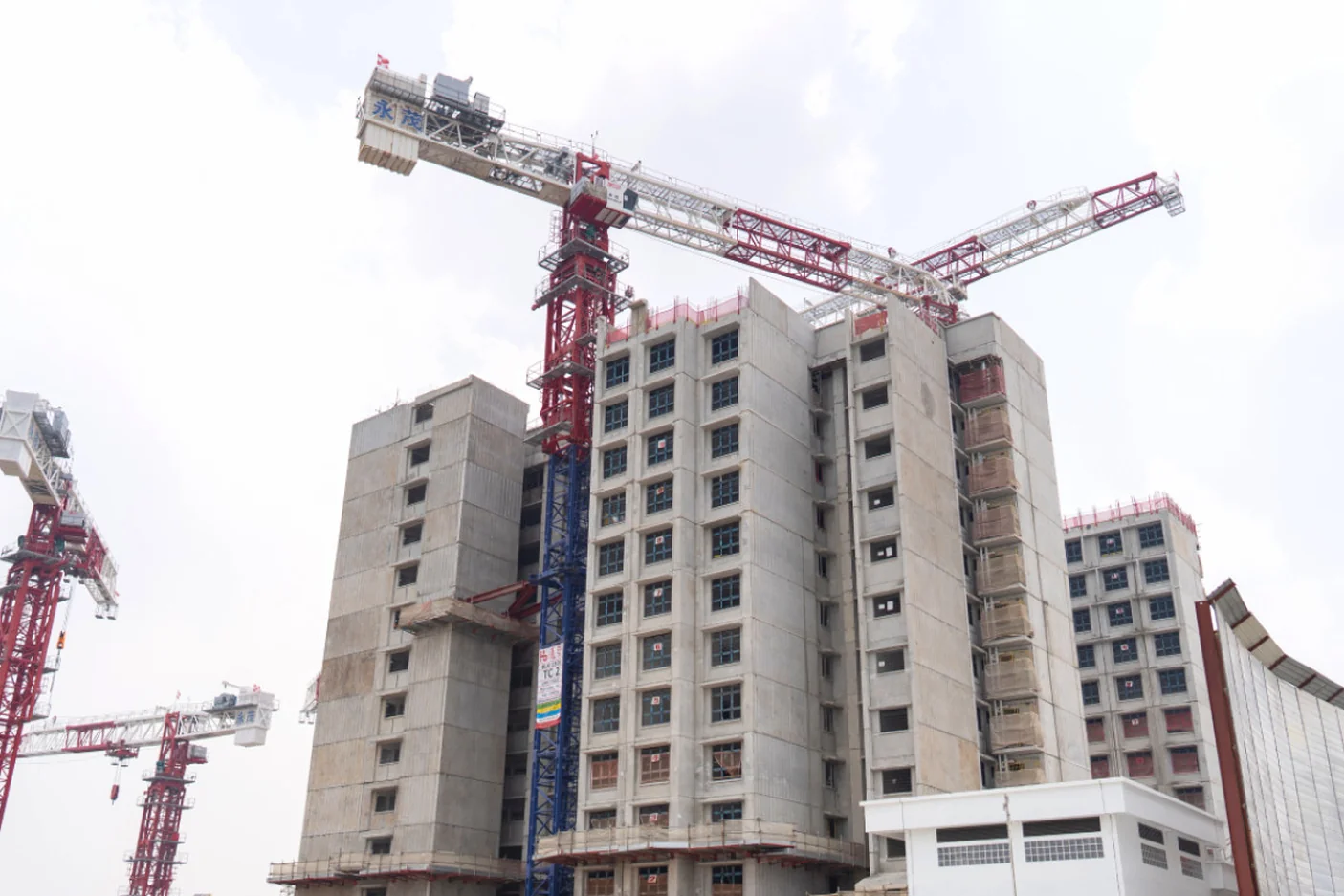
What I would say is simpler. The subsidy in a BTO flat is real money, and it sits against costs that have risen faster than inflation since 2021. Do not treat it as a small discount.
What should young couples and upgraders take from this?
The subsidy is valuable, but it comes with conditions. Weigh them before you apply.
For young couples:
- Prime and Plus flats come with a 10-year minimum occupation period and a subsidy clawback when you sell. That is 11 per cent at Toa Payoh Hillside and 9 per cent at the two Plus projects in Bayshore. Standard flats have a five-year MOP and no subsidy recovery.
- Waiting is part of the deal. Those who get a queue number this time can expect to book a flat between March and June 2027, then wait for it to be built. Sembawang Anchor had the shortest wait in this launch, at under three years, and its four- and five-room flats were undersubscribed among first-timers.
- Popular projects mean many couples will miss out. With more than six applicants per four-room flat at Toa Payoh Hillside, have a second plan ready. The February 2027 exercise will offer about 4,300 flats in Bishan, Tampines, Tengah and Toa Payoh, plus about 5,000 balance flats.
For upgraders and resale buyers, remember the $711 million in CPF housing grants paid to resale flat and EC buyers in FY2025. Check which grants you qualify for before you set your budget, not after you have fallen for a unit.
The subsidy comes with strings: the clawback, the MOP and the wait. Price them in as carefully as the discount.
The $4.7 billion is a reminder of how much the system puts behind each new flat. For a family, the practical question is not whether HDB is losing money. It is whether the subsidised flat you are chasing fits the next 10 years of your life: the location, the lock-in and the wait.
If you are weighing a BTO application against a resale flat or an EC and want a second view on how the timing fits your family, I am always glad to talk it through.
The numbers
| HDB net deficit, FY2025 | $4.7 billion (April 2025 to March 2026), down from $6.34 billion in FY2024 |
| Core activities | $5.13 billion shortfall, offset by a $419 million surplus from other activities |
| Home ownership deficit | $4 billion (FY2024: $5.51 billion): $1.75 billion from flat sales, $1.31 billion expected losses on flats under construction, $711 million CPF housing grants for resale flat and EC buyers |
| Other deficits | Upgrading $279 million (from $532 million); residential ancillary $673 million (from $570 million); rental flats $171 million (from $159 million) |
| Flats | 15,417 completed (FY2024: 20,294); 100,122 under construction (FY2024: 91,941); keys to 19,254 households (FY2024: 17,633) |
| Government grant | $4.73 billion in FY2025 (FY2024: $6.35 billion); $66.23 billion since 1960 |
| November 2026 BTO demand | 35,603 applicants for 7,964 flats as at 5pm on Nov 11, about 4.5 per flat; highest rate since August 2022 (7.8) |
| Toa Payoh Hillside (Prime) | 5,980 applicants for 584 four-room flats; four-room prices $558,000 to $832,000 before grants; 11% subsidy clawback |
| Construction costs (JLL) | Forecast to rise 2.5% to 3.5% in 2026 and 2.3% to 3.3% in 2027; tender price inflation since 2021 30.2% vs consumer price inflation 17.7% |
| Next BTO exercise | February 2027: about 4,300 flats in Bishan, Tampines, Tengah and Toa Payoh, plus about 5,000 balance flats |
Questions families ask
Why does HDB run a deficit?
According to HDB, as reported by The Straits Times, revenue from flat sales is not enough to cover the total development costs of BTO flats and the housing grants given to buyers. The Government finances the deficit through an annual grant, which was $4.73 billion in FY2025. Since it was set up in 1960, HDB has received $66.23 billion in grants.
Why did HDB's deficit fall to $4.7 billion in FY2025?
The Straits Times report does not give a single reason. The home ownership deficit fell to $4 billion from $5.51 billion, in a year when HDB completed 15,417 flats against 20,294 the year before. The upgrading deficit fell to $279 million from $532 million, which HDB put down to lower spending on the Home Improvement Programme as some projects neared completion. The deficits for residential ancillary functions and rental flats rose.
Does the HDB deficit matter to resale flat and EC buyers?
Yes. Of the $4 billion home ownership deficit in FY2025, $711 million was CPF housing grants paid to eligible buyers of resale flats and executive condominiums. The subsidy is not only for people buying new BTO flats.
How popular was the November 2026 BTO exercise?
As at 5pm on Nov 11, there were 35,603 applicants for 7,964 flats, about 4.5 per flat. Huttons Asia's Lee Sze Teck said that is the highest BTO application rate since August 2022. Toa Payoh Hillside drew 5,980 applicants for 584 four-room flats, more than six per flat.
Will rising construction costs push up BTO prices?
None of the reports says so, and I would not guess. JLL forecasts that construction costs in Singapore will rise 2.5 to 3.5 per cent in 2026 and 2.3 to 3.3 per cent in 2027, and says cumulative tender price inflation since 2021 has reached 30.2 per cent, against consumer price inflation of 17.7 per cent. What it does show is that the costs behind the subsidy have been rising faster than general prices.
Reporting referenced: The Straits Times. Analysis and views are Adrian Lim's own.
Talking it through beats reading about it.
If this story touches a decision your family is weighing, send Adrian a message. A first conversation costs nothing and commits you to nothing.
WhatsApp Adrian · +65 8183 2333More from Insights
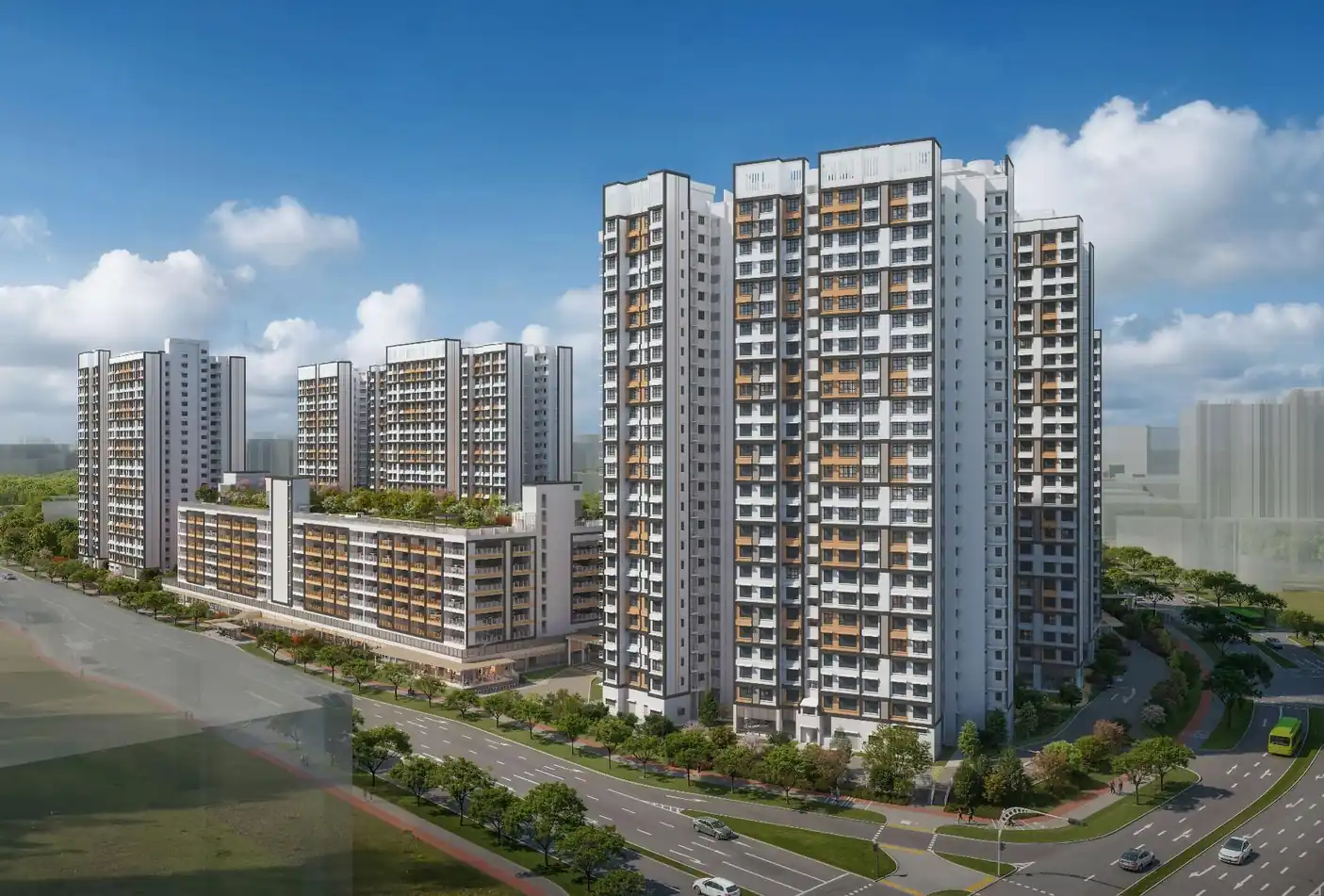
Nearly 8,000 BTO Flats and a Higher Income Ceiling: How Young Couples Should Choose
More couples now qualify, so more couples will compete. Here is how to weigh a shorter wait, a resale flat or an EC, and what the extra supply could mean for resale prices.
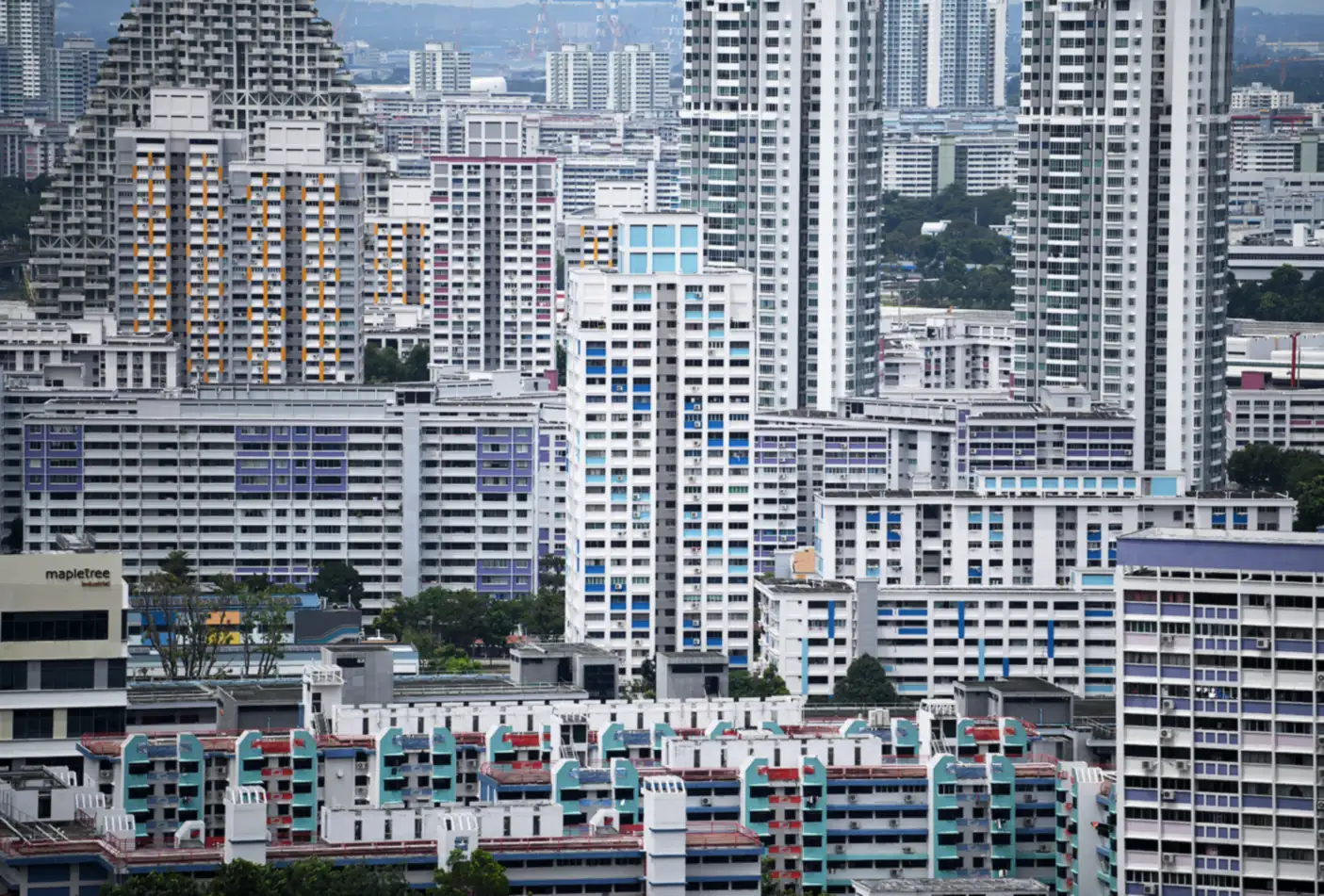
HDB Resale Prices Dip for a Third Straight Quarter: How to Read It
Million-dollar flats make the news. The index tells a quieter story: three soft quarters, steady buying and more supply on the way.
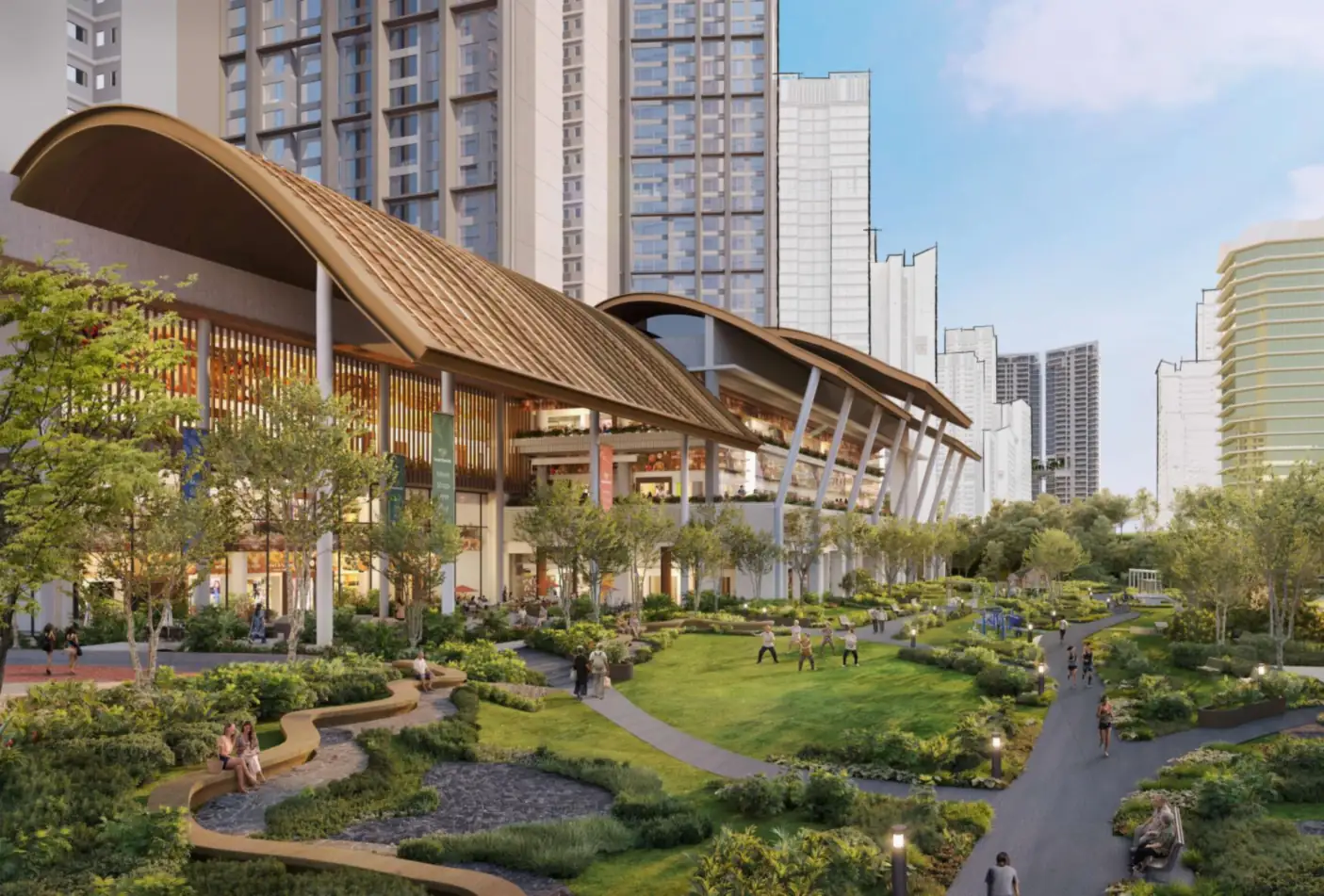
Toa Payoh West's 6,000 New Homes: What Owners and Buyers Should Weigh
A first mall, a second town heart and more than 6,000 homes, with few firm dates attached. Here is how to read the plan if you own nearby, or hope to.