CDL Plans to Sell S$6b of Assets. What It Signals for Singapore Buyers
Most of what CDL is selling is hotels and offices, not homes. The part families should watch is where the money goes next.
The short read
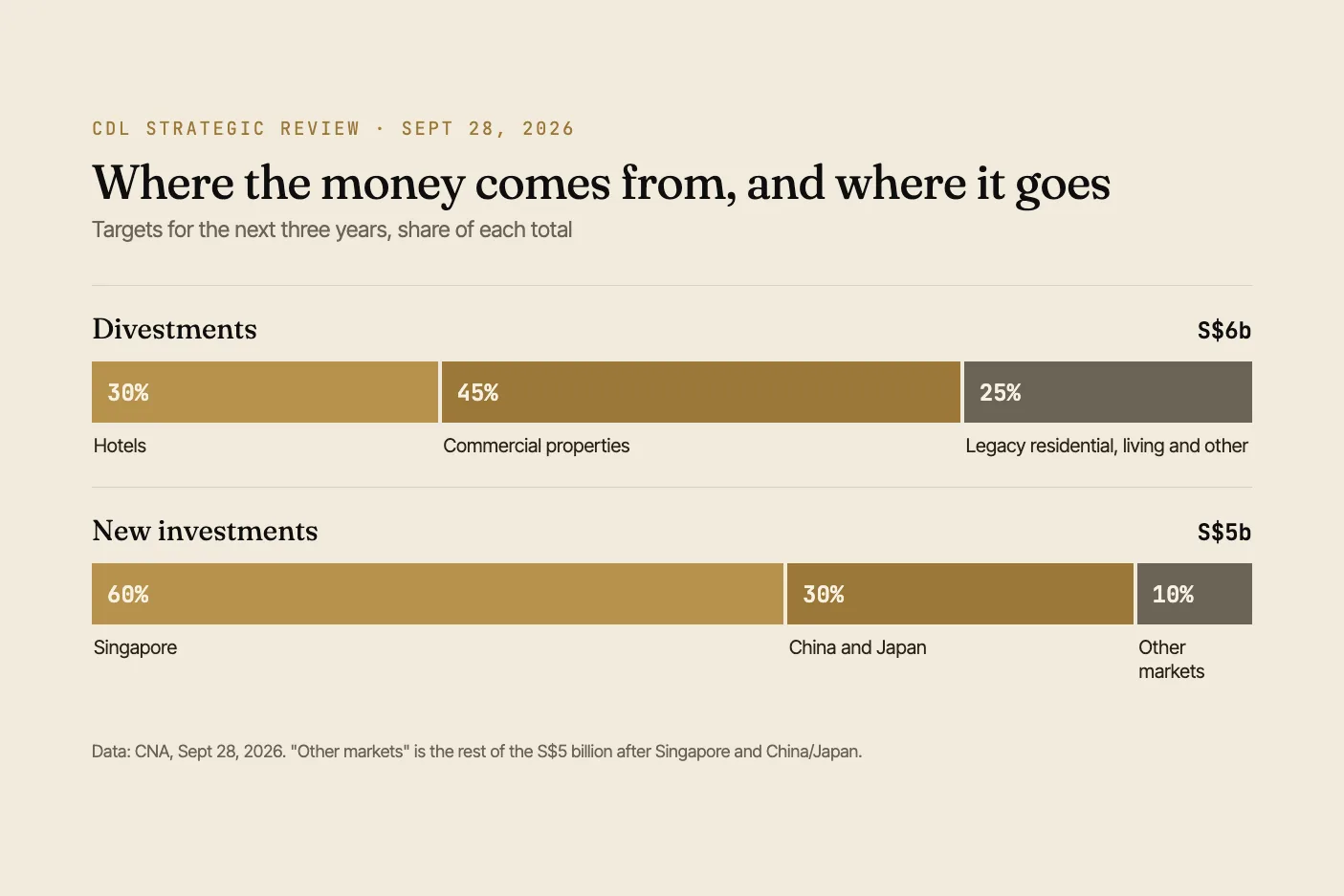
City Developments Limited (CDL) plans to sell S$6 billion of assets over the next three years, around one-sixth of the S$36 billion on its balance sheet. Of that, 30 per cent is targeted from hotels, 45 per cent from commercial properties and 25 per cent from legacy residential, living and other holdings. It also projects S$6 billion of cash inflow from development sales and collections, and plans to deploy S$5 billion into new investments, with 60 per cent likely in Singapore.
For families, the sales themselves add no new homes; they change who owns hotels and offices. The signal worth watching is the reinvestment: CDL says it depends on the land tenders it can win, and Singapore may take a bigger share if overseas opportunities fall short. For new-launch buyers, it is a reminder to weigh a developer's direction and discipline, not just the unit.

Most property news that reaches families is about one unit or one launch. This story is about a whole balance sheet. It is worth a few minutes, because the developer that sells you a new launch is also the one deciding where to bid for land next.
As CNA reported, City Developments Limited (CDL) plans to sell S$6 billion (US$4.7 billion) worth of assets over the next three years to unlock value. Chief executive Sherman Kwek, speaking at a strategic review briefing on Sept 28, noted that CDL has S$36 billion of assets on its balance sheet, so the planned divestments would be around one-sixth of them. He promised “unwavering focus” on strong execution of the roadmap.
The split is specific. CDL is targeting 30 per cent of the divestments from hotels, 45 per cent from commercial properties, and the remaining 25 per cent from its legacy residential, living and other parts of its portfolio. Alongside the sales, it projected S$6 billion of cash inflow over the same three years, from property development sales, future cash collections from contracted sales and its existing development pipeline. And it plans to deploy S$5 billion into new investments: 60 per cent likely into projects in Singapore, 30 per cent into China and Japan, and the rest into other markets.
The strategic review was first announced earlier this year, with CDL saying it intended to unlock value from mature and non-core assets. It came around a year after a public dispute at the top of the company between Mr Kwek and his father, executive chairman Kwek Leng Beng, which ended in March 2025. At the briefing, Mr Kwek said the board is united on the review and has approved everything announced. The press release also carried a statement from the elder Mr Kwek, who said the review sharpens the group’s priorities and sets “a clear direction for the group.”
That is the backdrop. What interests me is the assets, because that is the part that touches homeowners and buyers.
What exactly is CDL selling, and why does it matter?
Mostly not homes.
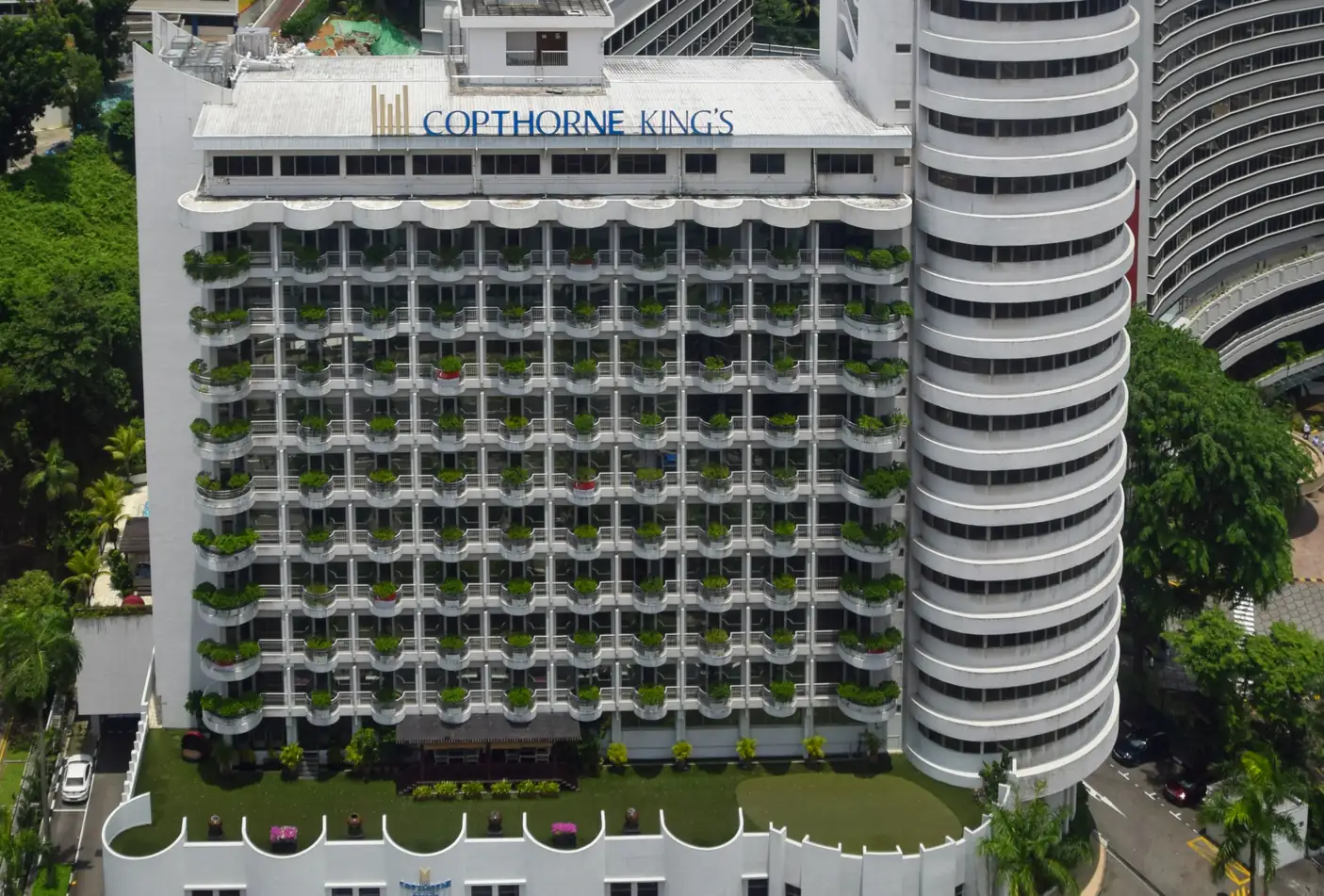
By the split CDL gave, most of the target comes from hotels (30 per cent) and commercial properties (45 per cent). A quarter comes from legacy residential, living and other holdings, and the report did not name specific assets. I would not guess at which ones.
That distinction matters more than the headline number. A developer selling a hotel or an office building does not add a single new home to the market. It changes who owns a building. So if “S$6 billion of property for sale” made you picture a wave of discounted condos, the report does not support that reading.
What the plan does show is how a large developer is thinking about its capital. CDL said the refreshed strategy aims at sharper strategic focus, stronger capital discipline and sustainable long-term shareholder returns. In plain terms: sell what is mature or not core, and put the money where it can work harder. To that end, CDL also intends to pay out more than 35 per cent of its reported profit after tax and minority interests as dividends each year.
A developer selling a hotel changes who owns a building. It does not change how many families can live somewhere.
Does this change how many new homes come to market?
Not directly, and not yet. The reinvestment half of the plan is where I would look.
Of the S$5 billion CDL plans to deploy, 60 per cent is likely to go into Singapore. Mr Kwek was careful to say the figure is not a rigid quota. A lot of the new investment will be opportunity-led, and it will depend on how many land tenders CDL can win, or whether projects meet the company’s risk-adjusted return targets. He added that if the right opportunities do not materialise overseas, Singapore may become a bigger part.
For families, land tenders sit upstream of everything. The sites developers win become the launches you walk through a few years later, and what they paid for the land sits underneath the prices on the showflat wall. A large local developer saying plainly that most of its new money is meant for Singapore, and that Singapore could take a bigger share still, is a signal of appetite for local land. How that plays out at actual tenders is something no briefing can tell you. But it is worth reading tender results over the next few years with it in mind.
Mr Kwek described the plan this way: “It’s a framework to guide us and it’s our roadmap going forward. We know where we are willing to put capital to and to what sort of extents, we know where we don’t want to put capital to.”
What does “capital discipline” mean if you are buying a new launch?
This is the part I would most want new-launch buyers to notice.
Part of CDL’s projected S$6 billion cash inflow is expected to come from property development sales and future cash collections from contracted sales. Contracted sales are units buyers have already committed to. Put simply, buyers’ payments on existing projects are part of how a developer funds its next move.
That is normal. It is how the industry works. But it is also a reminder that buying off-plan is not only choosing a unit. You are entering a relationship of several years with a company and its balance sheet. Earlier this year I wrote about how a developer’s defect record has become a checkable fact. A developer’s financial direction belongs in the same conversation. Is it focused? Is it clear about where it will and will not put money? Does it have a plan you can measure it against?
A plan with stated numbers and a three-year timeline is, in a way, the easier kind to read, because progress can be checked against it. What I would not do is turn one company’s strategy into a verdict on any specific project. The report does not link the plan to any particular development, and neither should you.
When you buy off-plan, you choose a unit for how you will live, and a developer for the years it takes to deliver it.
Should a 6 per cent share price drop worry homeowners?
Following the announcement, CDL’s share price was down more than 6 per cent as of 2.30pm on the day of the briefing. I mention it because numbers like that tend to travel around family chat groups with more weight than they deserve.
A share price is investors’ view of a listed company: its earnings, its plans, how it uses capital. It is not a valuation of your home, and it is not a reading on the condo market. One afternoon’s move tells you how the market received an announcement. It does not tell you what any unit in any project is worth. If you own a home built by a listed developer, its value is still set the way it always was: by recent transactions in your own development and the ones around it, by who is buying in your segment, and by how your unit compares with the alternatives.
If you hold the shares, that is a separate decision, and outside my lane. I would keep the two questions apart.
What can families learn from a developer recycling capital?
Quite a lot.
Strip away the scale and CDL is doing what I talk families through all the time. It is looking at what it owns, asking which assets have done their job, and deciding to sell some of them to fund what comes next. It has said where it is willing to put capital and where it is not. And it has set itself a timeline, three years, with the chief executive promising focus on execution.
A family with a paid-down flat, an older condo, or a home the household has outgrown faces the same questions, just with fewer zeros. Has this home done its job? What would releasing the capital let us do? Where are we willing to put that money next, and where are we not? The discipline is the same: decide the framework before the opportunity shows up, so you are not choosing under pressure.
The other lesson is patience. Mr Kwek said the S$5 billion is not a rigid quota, and that it will depend on the land tenders CDL can win or whether projects meet its return targets. That is not hesitation. It is the difference between having a plan and acting against a deadline. A family that knows its own framework can afford to wait for the right home instead of the first one.
What would I watch from here?
Three things, none of which needs a forecast.
First, whether the divestments happen at the pace targeted, and what kinds of assets actually change hands. A quarter of the target is legacy residential, living and other holdings, and how that part plays out is the piece closest to the housing market.
Second, Singapore land tenders. If CDL’s stated preference for Singapore holds, its tender activity over the next three years will show it.
Third, how its development pipeline sells, because that feeds the cash inflow it has projected.
None of this calls for anyone to buy or sell anything this month. For the families I work with, often more than one generation under one roof and making a decision they will live with for a decade or more, a story like this is context, not a trigger. If you are weighing a new launch and want a second pair of eyes on the developer as well as the unit, that is a conversation I am always glad to have.
The numbers
| Company | City Developments Limited (CDL) |
| Briefing | Strategic review briefing, Sept 28, 2026 |
| Divestment target | S$6 billion (US$4.7 billion) over three years |
| Balance-sheet assets | S$36 billion; divestments around one-sixth |
| Divestment mix | Hotels 30%; commercial 45%; legacy residential, living and other 25% |
| Projected cash inflow | S$6 billion over three years from development sales, contracted-sales collections and the existing pipeline |
| New investments | S$5 billion: about 60% Singapore, 30% China and Japan, rest other markets |
| Dividend policy | Payout of more than 35% annually of reported profit after tax and minority interests |
| Share price reaction | Down more than 6% as of 2.30pm on the day |
Questions families ask
What did CDL announce in its strategic review?
As CNA reported, City Developments Limited plans to sell S$6 billion of assets over three years, around one-sixth of the S$36 billion on its balance sheet. It is targeting 30 per cent of the divestments from hotels, 45 per cent from commercial properties and 25 per cent from legacy residential, living and other holdings. It also projects S$6 billion of cash inflow over the same period and plans to deploy S$5 billion into new investments.
Will CDL's S$6 billion divestment put more homes on the market?
Not directly. Most of the target is hotels (30 per cent) and commercial property (45 per cent), and selling an existing building changes its owner, not the number of homes available. The more relevant part for housing is the S$5 billion reinvestment, with 60 per cent likely to go into Singapore projects, depending on the land tenders CDL can win.
Where will CDL invest the S$5 billion?
CDL said 60 per cent is likely to go into projects in Singapore, 30 per cent into China and Japan, and the rest into other markets. Chief executive Sherman Kwek said it is not a rigid quota: much of it will be opportunity-led, and if the right opportunities do not materialise overseas, Singapore may become a bigger part.
Does CDL's share price drop affect the value of homes in its projects?
No. CDL's share price was down more than 6 per cent on the afternoon of the announcement, but a share price reflects investors' view of a listed company, not the value of any home. Your home's value is still set by recent transactions in your development and the ones around it, and by who is buying in your segment.
What should new-launch buyers take from a developer's strategic review?
That buying off-plan means choosing a developer's direction as well as a unit. Part of CDL's projected cash inflow comes from collections on units already sold, which is normal, but it is a reminder to look at whether a developer is focused and clear about where it will put capital, alongside its build quality and track record.
Reporting referenced: CNA. Analysis and views are Adrian Lim's own.
Talking it through beats reading about it.
If this story touches a decision your family is weighing, send Adrian a message. A first conversation costs nothing and commits you to nothing.
WhatsApp Adrian · +65 8183 2333More from Insights
Singapore's New Defect Rules: What They Change for New-Launch Buyers
The headline is the enforcement. The quieter shift is what a developer's track record now means when your family is choosing.
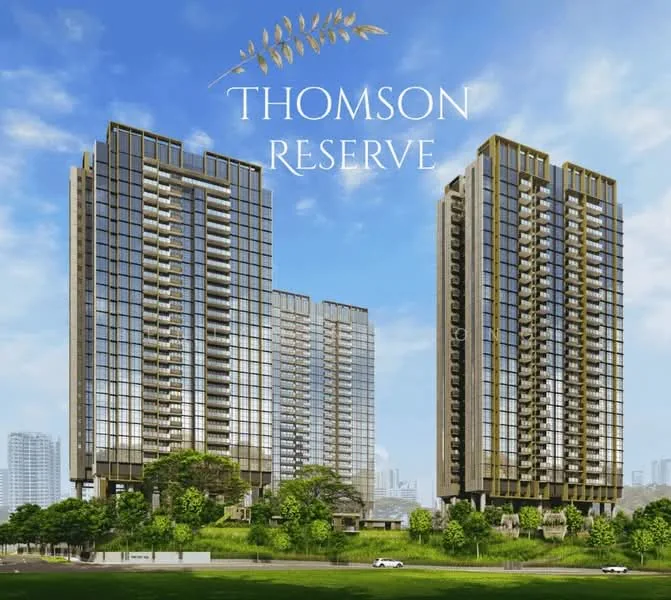
Thomson Reserve: What 1,268 Units in One Address Does to Your Exit
Everyone models the entry price at a mega-launch. Almost nobody models the year six hundred of your neighbours can sell at the same time as you.
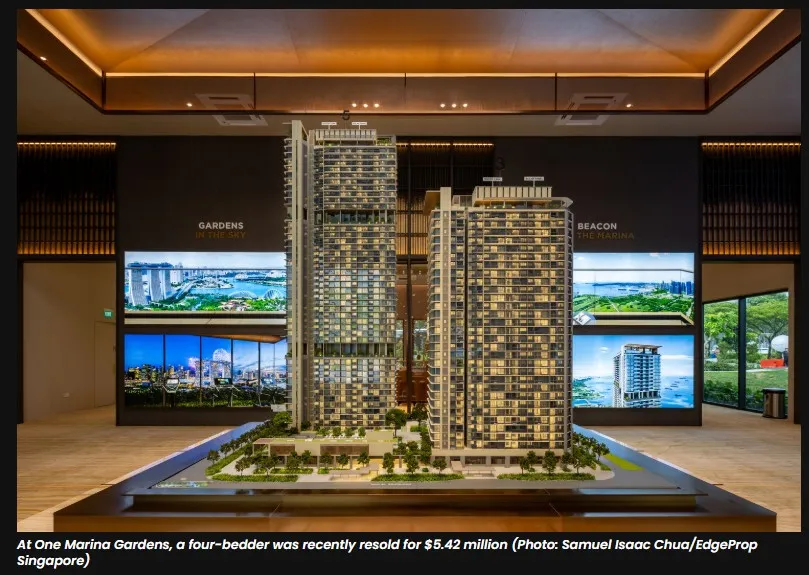
One Marina Gardens at $3,290 psf: What a Record High Really Signals
A new print at the top of District 1 is real news. It is also, for most Singapore families, scenery — and knowing the difference is worth more than the headline.