Rail Planning Officers' Home Purchases Under Review: What It Means for MRT Premiums
The review will decide whether anyone did wrong. The question for everyone else is older: what are you really paying for when a home is sold on a station that hasn't been announced?
The short read
The Public Service Division said on Sep 25 that it is reviewing property purchases made between 2007 and 2011 by officers involved in rail planning, where the homes were close to sites later announced as MRT stations. The review follows a US-based NBER working paper, not peer-reviewed, that alleged informed trading by civil servants. No findings have been made: PSD says the statistical patterns alone do not establish that any officer had or used non-public information, and each case will be examined before any conclusion is drawn.
For ordinary buyers, the lesson is about timing. The paper itself found civil servants and the control group traded similarly once stations were announced; the gap sat one to two years before. By the time 'future MRT' is in a sales pitch it is public information, and in my experience it is usually in the price. Pay for the home you can live in, not for a station nobody can confirm to you.
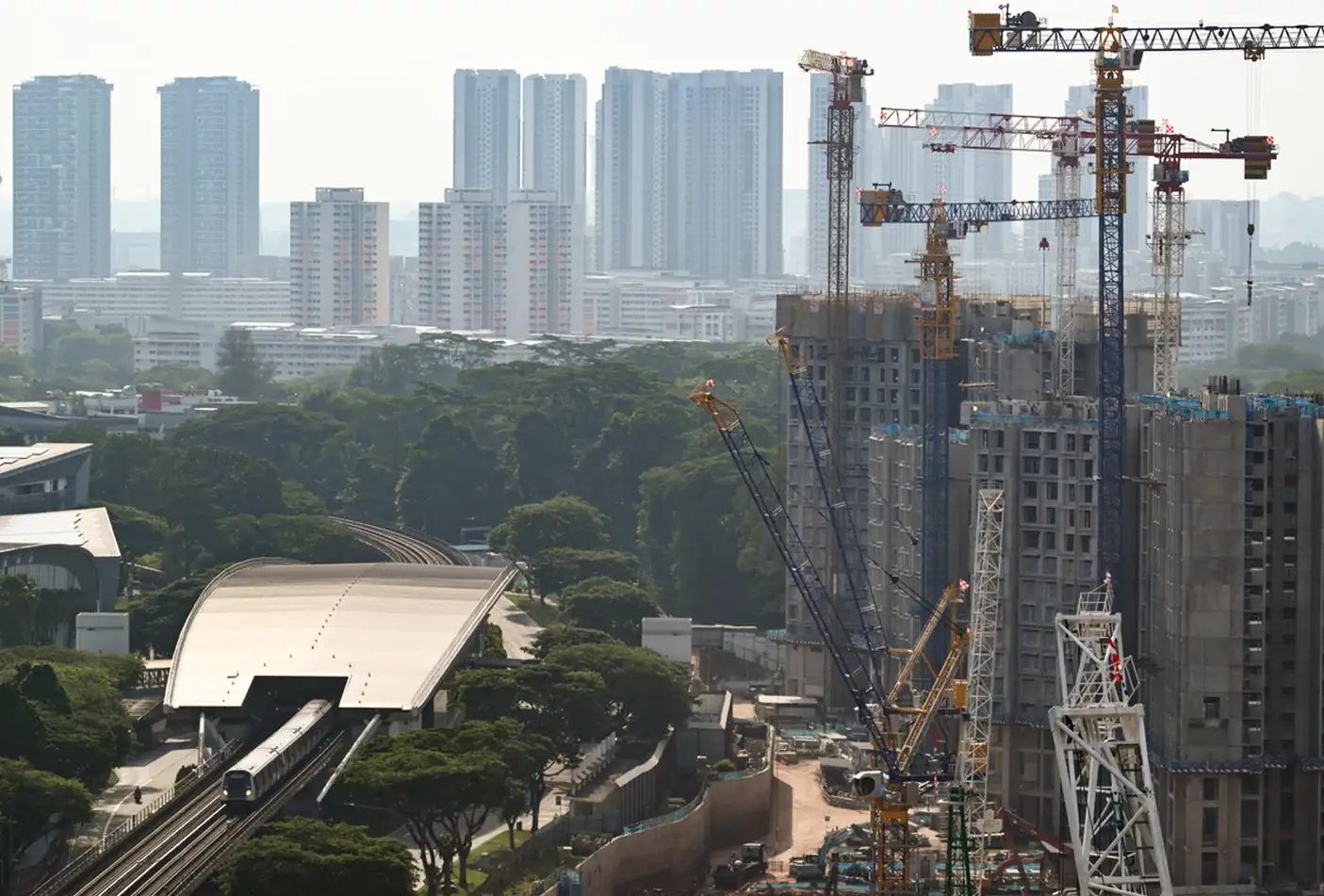
Few phrases do more work in a Singapore property listing than “near future MRT”. This week, the question of who knew where the stations were going, and when, moved from a research paper to a government review.
As CNA reported, the Public Service Division (PSD) said on Friday (Sep 25) that the Government is reviewing property purchases made between 2007 and 2011 by officers involved in rail planning, where the homes were close to locations subsequently announced as MRT stations. The aim is to assess whether there was “actual misconduct”. If PSD finds evidence that an officer used non-public information to make a property purchase for personal benefit, the case will be referred to the police for further investigation.
The review follows a working paper published this month by the US-based National Bureau of Economic Research (NBER), titled Do Social Norms Substitute for Enforcement? Evidence from Public Officials’ Home Purchases in Singapore. Its authors, Professor Tomasz Piskorski of Columbia University, Professor Amit Seru and Mr Chun Zhao of Stanford University, and Associate Professor Jian Zhang of the University of Hong Kong, say they found “clear evidence of informed trading by civil servants”. The paper has not been peer-reviewed.
PSD’s response was careful. The statistical patterns are concerning, it said, but they “do not by themselves establish whether any individual officer actually had access to non-public information on MRT station locations at the relevant time, or whether such information influenced a property purchase”. Because the transactions took place some time ago, it will need time to retrieve the records and examine each case.
So there are no findings yet, and I won’t guess at any. What I can do is explain why this story matters to people who will never see a planning file, which is almost all of us.
What exactly is the Government reviewing?
Three limits define the review. The period is 2007 to 2011, the window the paper highlights. The people are officers involved in rail planning at the time. The properties are homes close to sites later announced as MRT stations. The Straits Times reported that PSD is first identifying the purchases, then reviewing them.
This is the second step, not the first. On Sep 14, PSD said it was reviewing the paper’s data and methodology, and would refer matters to the Corrupt Practices Investigation Bureau “if there is a material basis to do so”. On Sep 25, it moved to the individual transactions.
PSD gave two reasons why a pattern is not proof. Information or speculation about planned MRT lines and stations may already have been public, or used to market new developments. And an officer may have bought a unit for reasons that had nothing to do with non-public information. “These possibilities do not remove the need for scrutiny,” PSD said, “but underscore why each transaction must be examined carefully before any conclusion is drawn.”
That is the right standard for a review that will touch real people’s names. Scrutiny and presumption are different things, and this story needs them kept apart.
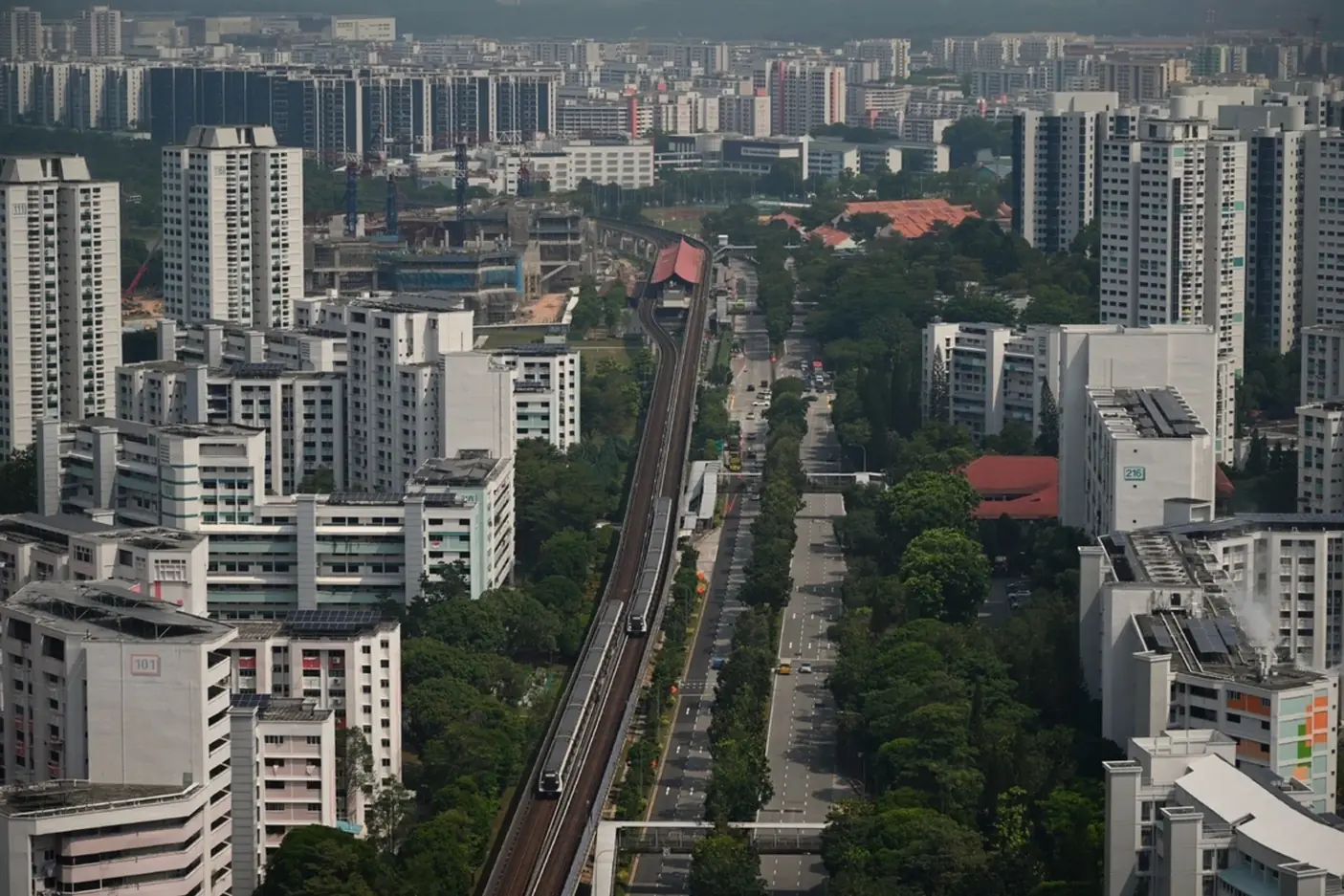
What did the NBER paper actually claim?
The researchers took private property transactions filed with the Registry of Land Titles between January 1995 and December 2019, and matched them against three sources: the Singapore Government Directory Interactive, the Council for Estate Agencies’ public register of licensed agents, and a proprietary dataset of residents’ demographic details and addresses as of 2013. They drew a 1km radius around proposed stations, treated homes inside it as “target” properties, and compared civil servants with a control group matched on age, gender, marital status and ethnicity.
| What the paper reported | Detail |
|---|---|
| Where the gap appeared | Civil servants bought near planned stations more than matched controls, concentrated one to two years before public announcements |
| Estimated excess purchases | About 50 two years before announcements, and 63 one year before, inferred from statistical modelling |
| Value involved | About S$138 million in gross acquisition value, by the authors’ “back-of-the-envelope” calculation |
| Who | Concentrated among mid-level officials, and more prevalent in agencies involved in planning MRT lines |
| After announcements | Civil servants and the control group traded similarly |
| After 2011 | The pattern largely disappeared, ST reported |
Two notes for anyone reading those numbers quickly. First, S$138 million is the gross value of homes bought, not profit made. Second, these are inferences across a population, drawn from modelling. As lawyers quoted by ST pointed out, the study does not give specific facts for any individual. That is exactly why PSD says each case must be examined on its own.
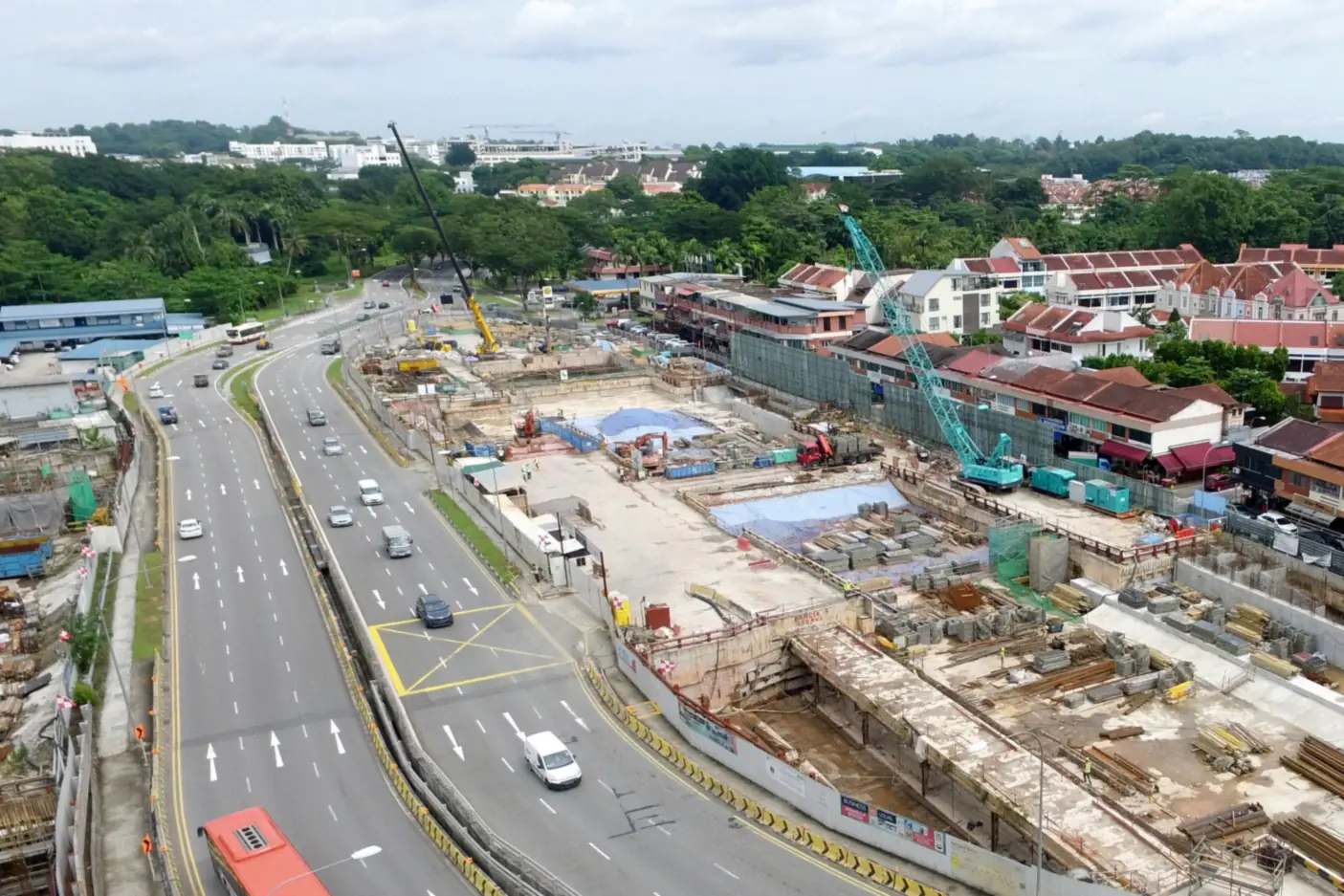
Does this shake trust in Singapore’s planning system?
It is a fair question, and I would rather answer it plainly than defensively.
Singapore’s property market runs on a kind of trust most buyers never think about. When a family commits to a condo, a landed home or a new launch, they are trusting that the published plans are the plans, and that nobody on the inside got to the good sites first. MRT stations test that trust more sharply than almost anything else, because a station changes how a neighbourhood lives and how buyers value it.
What builds trust is not the absence of hard questions. It is how a hard question is handled. On that, the record PSD set out, as ST reported it, is worth knowing:
- 1996: public officers required to declare private property purchases
- 2011: an internal disclosure policy framework introduced
- 2018: the Public Sector (Governance) Act, which criminalises unauthorised use of non-public information for personal gain
- 2025: online reporting systems enhanced, to handle requests from officers with access to non-public information who want to buy private property
Today, officers with non-public information relevant to a personal transaction, whether property, vehicles or financial instruments, must declare it and get approval before going ahead.
You will notice that 2011 appears twice in this story: as the end of the review window, and as the year of the disclosure framework. Nobody has shown that one explains the other, and I won’t suggest it. The review is the place for that question, not a property column.
NUS corporate governance expert Mak Yuen Teen made the practical point to ST: “Regardless of whether we believe the findings are accurate, we should make sure we have safeguards to minimise such risks.” I agree with that, and it applies well beyond the public service.
Trust in a planning system is not the absence of hard questions. It is what happens after one is asked.
Should you pay a premium for an “MRT coming” home?
This is where the story meets ordinary buyers. Whatever the review finds, the paper carries a quiet lesson for them.
Look at where the paper says the gap sat: one to two years before announcement. After announcement, civil servants and everyone else traded the same way. Put simply, whatever edge the paper alleges was about knowing before the public did. Once a station is announced, there is no information edge left to buy. Everyone is reading the same map.
That matters because of how most buyers meet an MRT story. PSD itself noted that information or speculation about planned stations can be used to market new developments. By the time “future MRT” shows up in a sales pitch, it is public. And across seventeen years in this market, my experience is that what is public tends to be in the price already.
So I would break any MRT premium into three questions.
Is the station announced, or are you paying for speculation? If it is speculation, you are betting on something nobody can confirm to you. Anyone who hints that they can should make you more careful, not less.
Does the timeline match yours? A station that opens after you plan to sell helps your buyer more than it helps you. Ask when, not just where.
Would you buy this home without the station? If the answer is no, the station is carrying too much of the decision. A home has to work on the day you move in.
Once a station is on the public map, there is no secret left to buy. There is only a price.
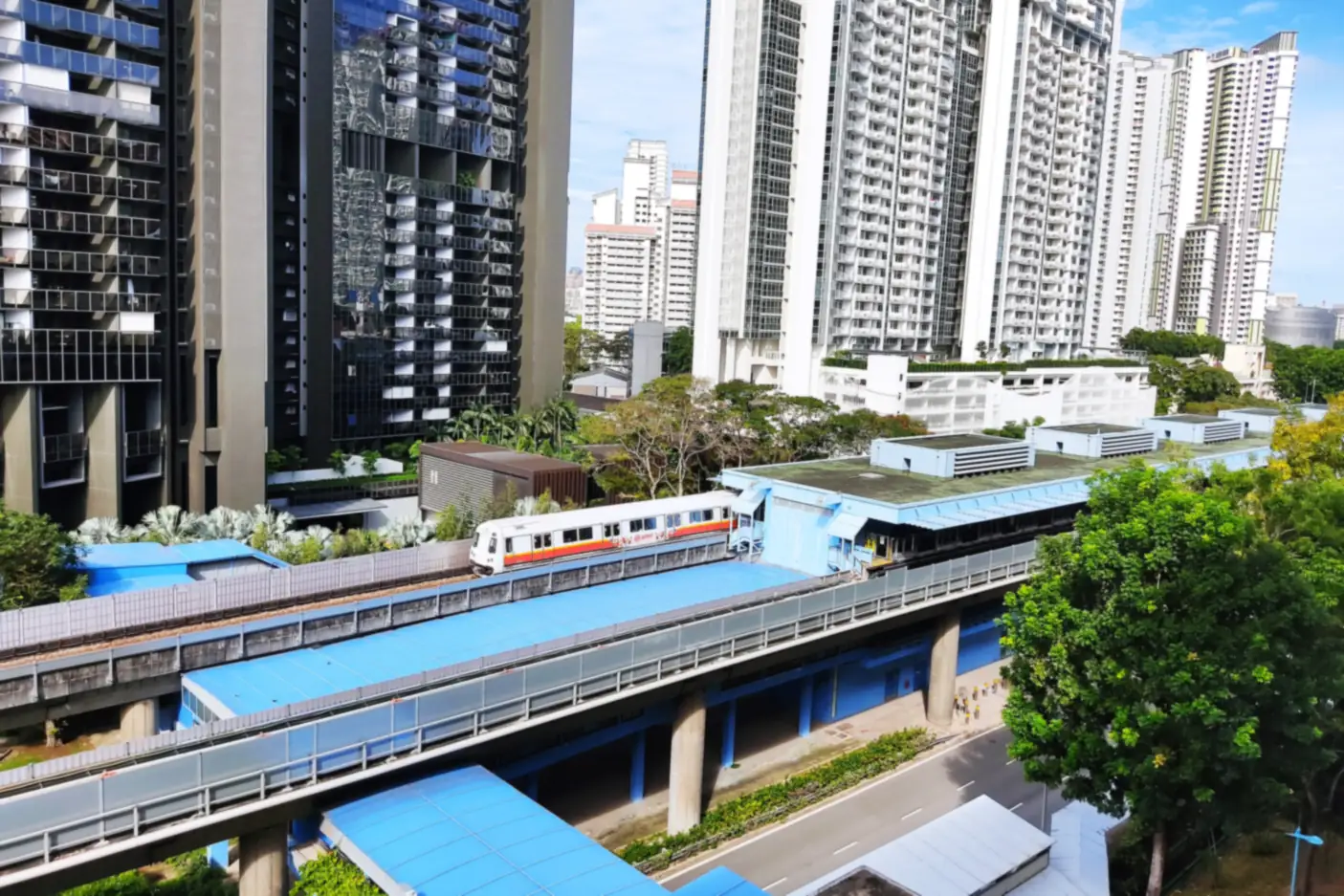
How should families plan around information they can’t have?
Most of the families I work with are making decisions measured in decades: a home for more than one generation, a second or third property, a move they do not want to make twice. For them, the lesson is not to chase what insiders might know. It is to build a decision that holds up without it.
That means pricing a home on what exists and what has been officially announced: the walk to today’s station, the schools, the daily errands, the tenure. Treat any unannounced “upside” as a bonus you did not pay for. It also means reading every MRT claim in a listing the way PSD says it will read the paper: carefully, case by case, before any conclusion is drawn.
And it means letting the review run its course. PSD has said it will take time. If it finds evidence, the police take it from there. If it does not, that is an answer too. Either way, the process is the part that protects the buyers who will never see a planning file.
If you are weighing a home where the MRT story is doing a lot of the selling, it helps to separate what is announced from what is assumed, and to check both against your own timeline. That is a conversation I am always glad to have, and it usually starts with a map everyone can see.
The numbers
| Review announced | Sep 25, 2026, by the Public Service Division (PSD), under the Prime Minister's Office |
| Period covered | Property purchases made between 2007 and 2011 |
| Who and what | Officers involved in rail planning; homes close to sites later announced as MRT stations |
| If evidence is found | Case referred to the police for further investigation |
| Earlier PSD response | Sep 14: reviewing the paper's data and methodology; CPIB referral if there is a material basis |
| The paper | NBER working paper published Sep 11, not peer-reviewed |
| Paper's data | Private property transactions, January 1995 to December 2019; 1km radius around proposed stations |
| Paper's estimate | About 50 excess purchases two years before announcements and 63 one year before; about S$138 million gross acquisition value |
| Declaration rule | Public officers have had to declare private property purchases since 1996 |
Questions families ask
Why is the Singapore Government reviewing rail planning officers' property purchases?
A working paper published by the US-based National Bureau of Economic Research alleged that civil servants, in particular those involved in rail planning, disproportionately bought homes near MRT stations before the stations were publicly announced. On Sep 25 the Public Service Division said it would review purchases made between 2007 and 2011 by officers involved in rail planning, where the homes were close to sites later announced as MRT stations, to assess whether there was actual misconduct.
Has any officer been found to have done anything wrong?
No. The review exists to find out. PSD said the paper's statistical patterns are concerning but do not by themselves establish whether any individual officer had access to non-public information at the time, or whether it influenced a purchase. Information or speculation about planned stations may already have been public, and an officer may have bought for unrelated reasons. If PSD finds evidence that an officer used non-public information for personal benefit, the case goes to the police.
What rules stop civil servants using non-public information to buy property?
Public officers have had to declare private property purchases since 1996. An internal disclosure policy framework followed in 2011, and the Public Sector (Governance) Act in 2018 criminalises unauthorised use of non-public information for personal gain. Online reporting systems were enhanced in 2025. Today, officers with non-public information relevant to a personal transaction, whether property, vehicles or financial instruments, must declare it and get approval before proceeding.
Should I pay more for a home near an MRT station that hasn't been announced?
I would not pay for it. An unannounced station is speculation, and nobody outside the planning process can confirm it to you. Price the home on what exists and what has been officially announced, and treat any unconfirmed station as a bonus you did not pay for. If the purchase only makes sense with the station, the station is carrying too much of the decision.
How do I tell a real MRT plan from sales talk?
Ask three things. Has the station been officially announced, or is it being inferred? What is the stated timeline, and does it land inside your own holding period? And would you still buy the home without it? PSD itself noted that speculation about planned lines and stations can be used to market new developments, so treat an MRT line in a brochure as a claim to check, not a fact to price.
Reporting referenced: CNA. Analysis and views are Adrian Lim's own.
Talking it through beats reading about it.
If this story touches a decision your family is weighing, send Adrian a message. A first conversation costs nothing and commits you to nothing.
WhatsApp Adrian · +65 8183 2333More from Insights
The Greater Southern Waterfront: Reading a 30km Story on Family Time
A 30-kilometre transformation is not one decision. It is several, on different clocks — and the clock that matters most is your family's.

One Marina Gardens at $3,290 psf: What a Record High Really Signals
A new print at the top of District 1 is real news. It is also, for most Singapore families, scenery — and knowing the difference is worth more than the headline.

New CEA Rules From 2027: What They Actually Tell You About Your Agent
A licensing floor is not a standard. It removes the dormant, not the unprepared — and the difference matters most in the year you actually move.