A $7.1 Million Gain and a $1.05 Million Loss in the Same Fortnight: What Separated Them
One owner bought in 2004 and sold for more than three times the price. Another bought in 2020 and sold at a 25% loss. Same market, same fortnight. Here is how I read the gap.
The short read
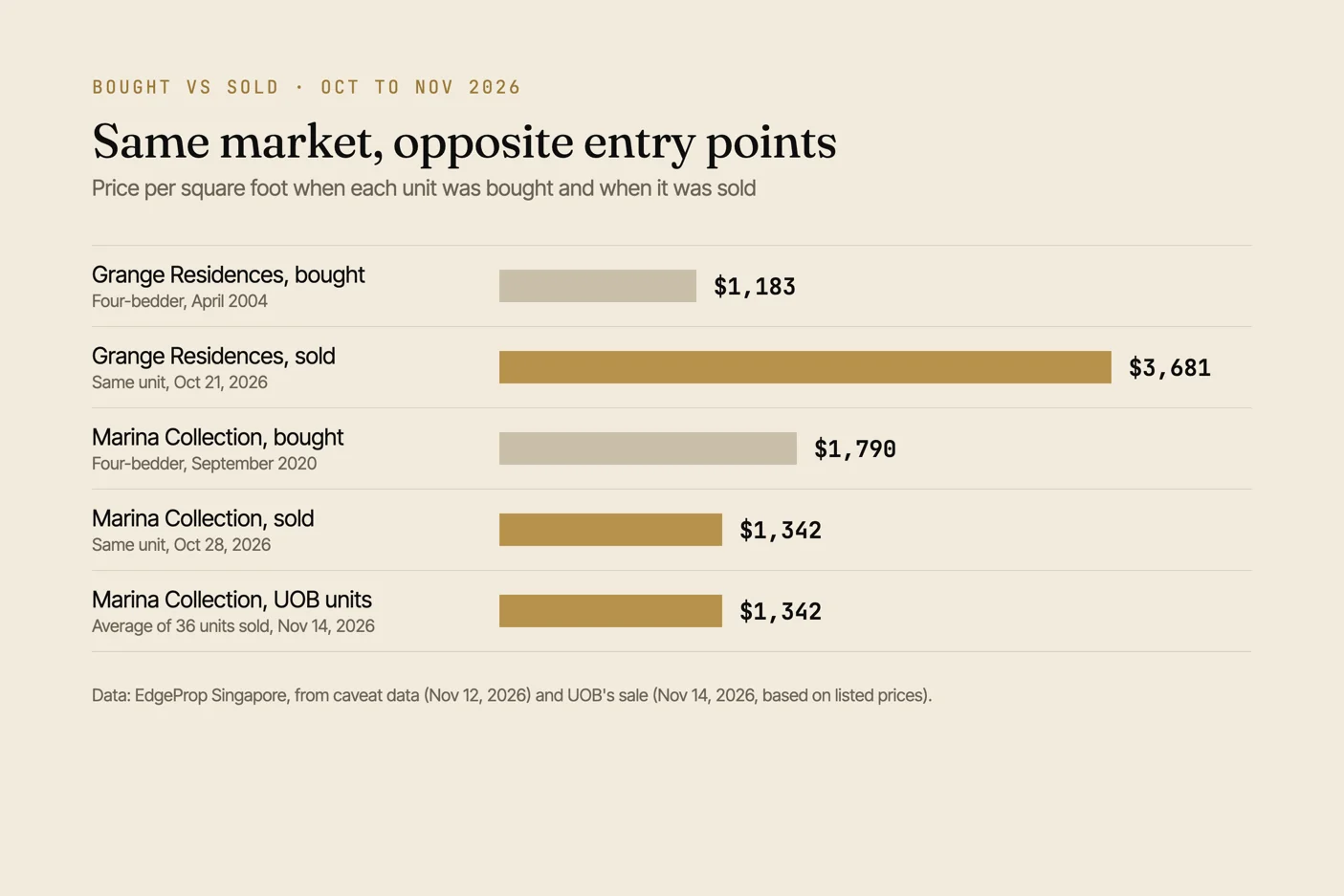
Between Oct 20 and Nov 3, a 2,852 sq ft four-bedder at freehold Grange Residences in District 10 resold for $10.5 million ($3,681 psf), a $7.13 million (211%) profit on a 2004 purchase. That is 5.2% a year over more than 22 years. In the same period, a 2,347 sq ft four-bedder at 99-year leasehold Marina Collection in Sentosa Cove sold for $3.15 million ($1,342 psf), a $1.05 million (25%) loss on a 2020 purchase.
The clearest difference in the numbers is the entry price and the time held: $1,183 psf for 22 years versus $1,790 psf for six. Weeks later, UOB sold 36 of 38 Marina Collection units in under two hours at an average of $1,342 psf. For a family, the lesson is to judge the price you pay and how long you can hold, not the headline.
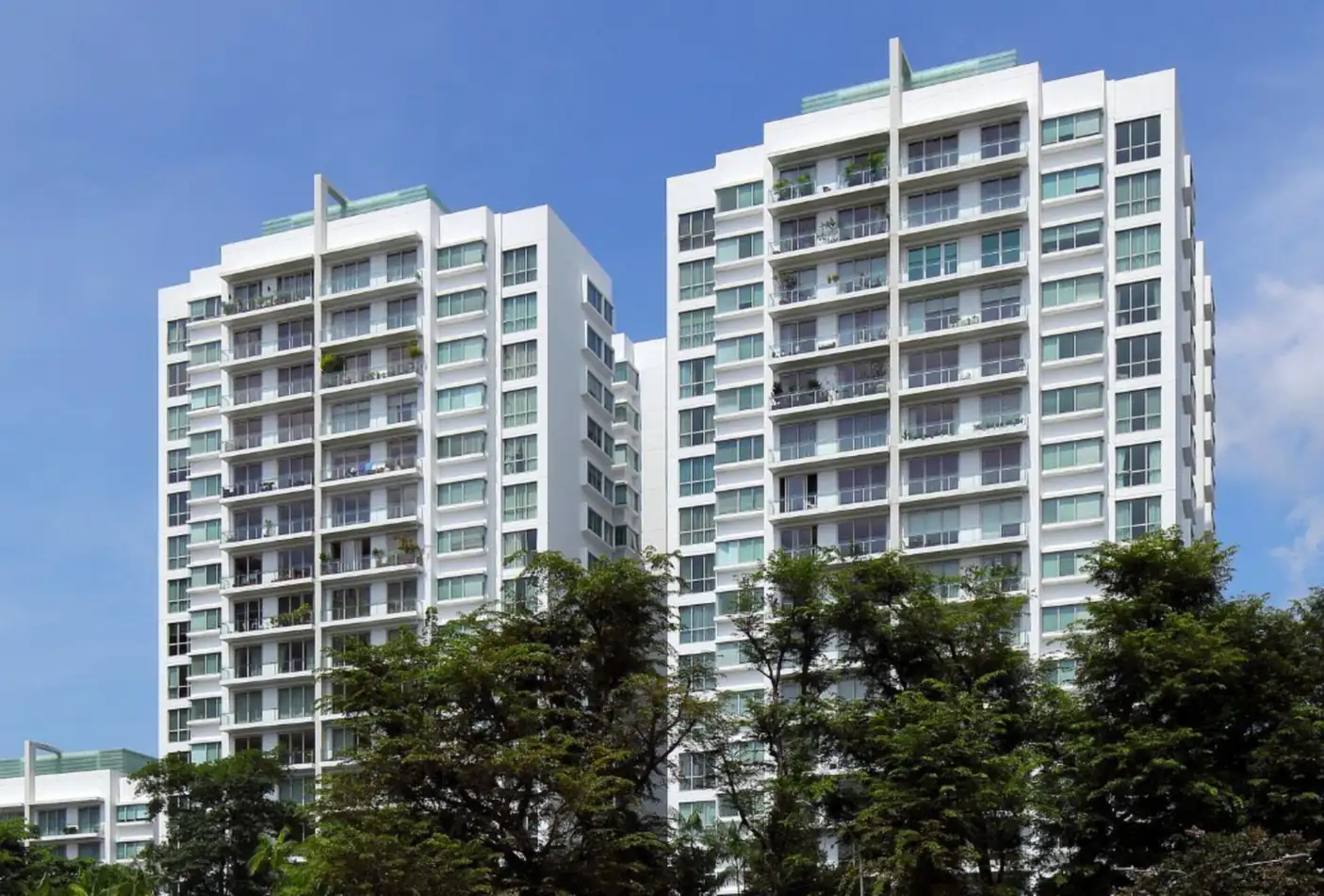
Two condo resales in the same fortnight sit at opposite ends of the same table.
As EdgeProp reported, a four-bedroom unit at Grange Residences in District 10 topped the list of profitable condo resales between Oct 20 and Nov 3. The 2,852 sq ft unit on the fifth floor sold for $10.5 million ($3,681 psf) on Oct 21. The seller bought it for around $3.37 million ($1,183 psf) in April 2004. That is a $7.13 million profit, or 211%, and an annualised gain of 5.2% over more than 22 years. It is a new record for the development, beating a $6.5 million gain set in June 2025, when a similar four-bedder sold for $9.85 million.
At the other end of the table was Marina Collection in Sentosa Cove. A 2,347 sq ft four-bedder sold for $3.15 million ($1,342 psf) on Oct 28. The seller had paid $4.2 million ($1,790 psf) in September 2020. That is a $1.05 million loss, 25%, or 4.6% a year across six years. EdgeProp’s caveat data shows every resale at the development over the past two years has been a loss.
Then, on Nov 14, UOB opened bookings for 38 Marina Collection units. It sold 36 of them in under two hours, at an average of $1,342 psf.
I have spent 17 years helping families make property decisions they will live with for a decade or more. Stories like this are useful precisely because they sit side by side. One is not “good property” and the other “bad property”. They are two different entry prices, two different holding periods and two different kinds of address.
What separated a $7.1 million gain from a $1.05 million loss?
Start with what the numbers show.
The Grange Residences seller paid $1,183 psf. The Marina Collection seller paid $1,790 psf, about 16 years later. One bought in 2004, the year the development was completed. The other bought in September 2020, when the home was already about nine years old.
Then there is time. One owner held for more than 22 years. The other held for about six.
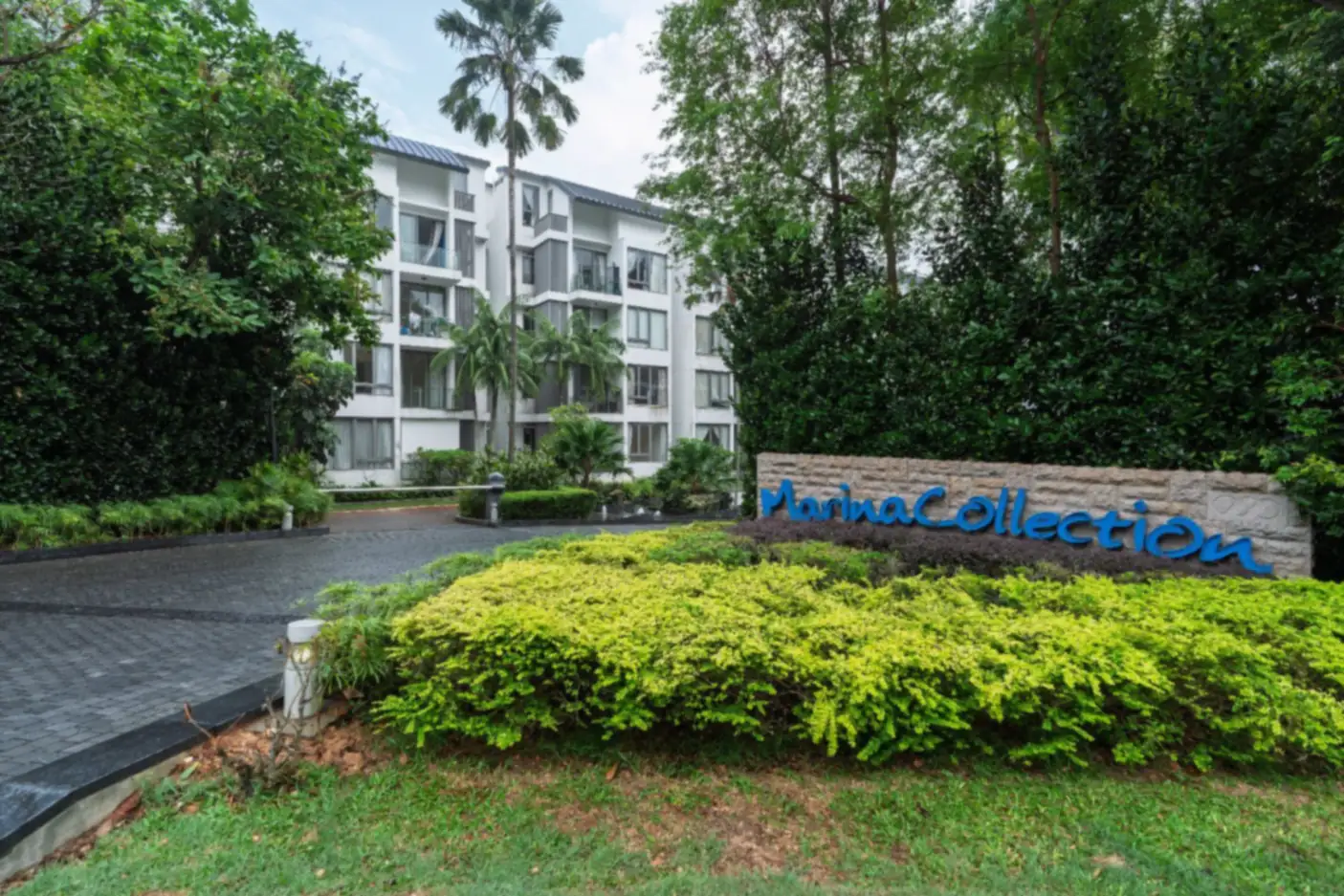
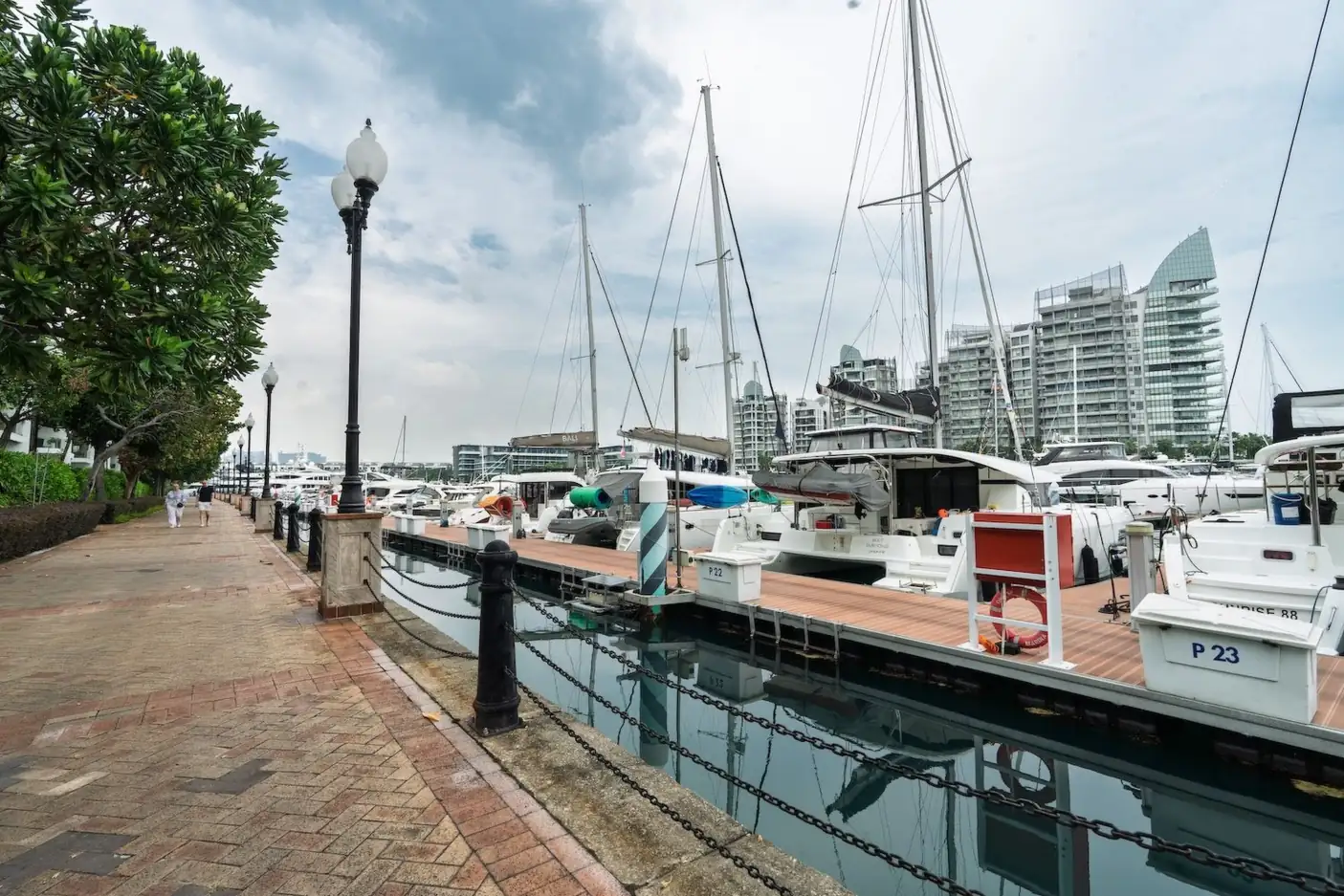
Then the address and the tenure. Grange Residences is a freehold development on Grange Road, completed in 2004, with 164 four-bedroom homes in three 18-storey blocks. Marina Collection is a 99-year leasehold condo in Sentosa Cove, on a lease that started in 2007, with about 79 years remaining. It has 124 units in three low-rise blocks.
I would be careful about saying which of these factors “caused” the result. Prices move for many reasons. But in my experience, the two things an owner controls most directly are the price they pay on the way in and how long they can stay. Both cases point back to those two.
A gain or a loss is decided twice: once on the day you buy, and again by how long you can afford to wait.
It is also worth noting that Grange Residences was not a one-off. EdgeProp says six other resales there this year were all profitable, with gains between $1.92 million and $3.15 million. Marina Collection’s record runs the other way. In 2025, five units changed hands at losses of between $1.75 million and $3.68 million. This year, the four other resales apart from the Oct 28 sale were also losses, ranging from $1.32 million to $5.87 million.
Is 5.2% a year over 22 years a great return?
It is a good return. It is not magic.
Over more than 22 years, 5.2% a year turned about $3.37 million into $10.5 million. That is what steady compounding over a long stretch looks like. The headline figure, $7.1 million, is large mostly because the time is long and the starting sum was already substantial.
Two cautions when you read numbers like this.
First, these figures are built from purchase and sale prices. Over 22 years, a family also pays stamp duty, loan interest, maintenance fees and the cost of keeping an ageing home in good shape. Those costs do not show up in a caveat. The real return to the owner depends on how the purchase was financed and what was spent along the way.
Second, the same period produced a 5.9% annualised gain at Amber Point, a freehold condo on Amber Road in District 15. A three-bedder there sold for $3.73 million on Oct 22 after being bought for $1.15 million in June 2006, a $2.58 million profit. The absolute profit was much smaller than at Grange Residences, but the yearly rate was higher. Size of profit and quality of return are not the same thing.
What 5.2% a year does tell you is that a well-chosen home, bought at a sensible price and held through several market cycles, can grow a family’s wealth steadily while it also houses them. That is the honest version of the story.
What does a run of losses at Marina Collection tell a buyer?
It tells you that the earlier price levels did not hold, at least not for those sellers. It does not tell you why each owner sold, or what each one paid in total.
When I look at a string of losses like this, I think about the buyer pool. Who can buy this home from you later, and on what terms?
The UOB sale gives a useful picture of that pool today. Of the 36 buyers, PropNex’s Dominic Lee said 23 were Singaporeans and seven were Permanent Residents. The other six were foreigners: five Americans and one Norwegian. Under Singapore’s free trade agreements with the US and Norway, those buyers pay stamp duty at the same rates as citizens, which means no additional buyer’s stamp duty on a first home. Most other foreigners pay 60%.
My reading, and it is a general one: when a large part of the potential buyer pool faces a heavy extra tax, resale demand depends more on local buyers. That is not a forecast. It is one more question to ask before you buy into any address where foreign demand once mattered.
Why did UOB’s 36 units sell in under two hours?
The facts, as EdgeProp reported them, are these. PropNex was the sole marketing agent. That is the agency I work with, so read the following as reported facts, not my own sales claims.
More than 400 groups viewed the units during previews from Nov 6 to 13. A total of 65 cheques were collected as expressions of interest, so the sale was 1.7 times subscribed, and 12 units with multiple bids were balloted. Bookings opened at 10am on Nov 14. By 11.40am, only two units were left. Based on listed prices, the 36 units sold for about $103.5 million in total, at an average of $1,342 psf.
Prices ranged from $1,269 psf for a first-level four-bedroom unit with a private enclosed space to $1,407 psf for a second-level three-bedroom unit. Most buyers, 31 of the 36, bought for their own use. “Buyers loved the marina-facing units, as well as the convenience of being close to three supermarkets,” Lee said.
Here is what stands out to me. The Oct 28 resale and UOB’s average landed on the same figure: $1,342 psf. The seller who paid $1,790 psf in 2020 saw that price as a loss. The 36 buyers on Nov 14 saw much the same level as a reason to act quickly.
Yesterday’s loss is often today’s entry price. Whether it is a good one depends on what you pay, not on what someone else paid before you.
That is the point of this whole story for a buyer. The earlier owner’s loss does not make the home cheap or expensive. It only resets the starting line. The new owners now hold a home with about 79 years left on the lease, bought at a level the market was willing to pay this month. How it turns out for them will depend, as it did for the two sellers above, on price, time and who wants to buy from them later.
How should a family buying for a decade or more use this?
I would turn these two sales into a short checklist. None of it needs a forecast.
- What am I paying per square foot, and how does it compare with recent resales in the same development? The Marina Collection seller paid $1,790 psf; the latest resale and UOB’s average were both $1,342 psf.
- How long can we realistically stay? Grange Residences rewarded a 22-year hold. A six-year hold left little time for the price to come back.
- What is the tenure, and how much lease will be left when we may want to sell? A home with 79 years left today will have less when your children are grown.
- Who is the next buyer? Think about which buyers can purchase without heavy extra stamp duty, and whether they would want this home.
- Would we still be comfortable if the price stayed flat for 10 years? If the answer is no, the purchase depends on a gain you cannot control.
- Does the home work for the family we will be, not just the family we are now? A home that fits three generations is easier to hold for 20 years.
The Grange Residences owner did not need to time the market perfectly. They bought at a price that, looking back, left plenty of room, and they stayed. That is the part of the story most families can copy.
If you are weighing a resale condo and want a second view on whether the entry price and your likely holding period fit your family’s plans, I am always glad to talk it through.
The numbers
| Grange Residences sale | Four-bedder, 2,852 sq ft, 5th floor; $10.5 million ($3,681 psf) on Oct 21, 2026 |
| Grange Residences purchase | About $3.37 million ($1,183 psf), April 2004 |
| Grange Residences profit | $7.13 million (211%); 5.2% a year over more than 22 years; a project record |
| Grange Residences project | Freehold, Grange Road, District 10; completed 2004; 164 units in three 18-storey blocks |
| Marina Collection sale | Four-bedder, 2,347 sq ft; $3.15 million ($1,342 psf) on Oct 28, 2026 |
| Marina Collection purchase | $4.2 million ($1,790 psf), September 2020 |
| Marina Collection loss | $1.05 million (25%); 4.6% a year over six years |
| Marina Collection project | 99-year lease from 2007 (about 79 years left); completed 2011; 124 units; Cove Drive, Sentosa Cove |
| UOB sale (Nov 14, 2026) | 36 of 38 units sold in under two hours; about $103.5 million in total; average $1,342 psf (listed prices) |
| UOB sale price range | $1,269 psf to $1,407 psf; $2.588 million to $3.11 million |
Questions families ask
How much profit did the Grange Residences seller make?
According to EdgeProp, the seller of a 2,852 sq ft four-bedroom unit on the fifth floor made $7.13 million (211%). The unit sold for $10.5 million ($3,681 psf) on Oct 21, 2026, after being bought for about $3.37 million ($1,183 psf) in April 2004. That is an annualised gain of 5.2% over more than 22 years, and a record profit for the development.
Why did the Marina Collection unit sell at a loss?
The reports give the numbers, not a single cause. The seller bought at $1,790 psf in September 2020 and sold at $1,342 psf on Oct 28, 2026, a $1.05 million loss. EdgeProp's caveat data shows every Marina Collection resale over the past two years was a loss. In my view, the entry price was the biggest factor a buyer could have controlled.
Is 5.2% a year a good return on a condo?
It is a solid, steady return earned over more than 22 years, and it turned about $3.37 million into $10.5 million. But it is a figure based on purchase and sale prices. It does not show stamp duty, loan interest, maintenance or renovation over those years. Treat it as a good result from a long hold, not proof that any condo will do the same.
What did UOB's Marina Collection sale show?
UOB sold 36 of the 38 units it offered in under two hours on Nov 14, at an average of $1,342 psf based on listed prices, said Dominic Lee of PropNex, the sole marketing agent. More than 400 groups viewed during previews and 65 cheques were collected. Of the 36 buyers, 31 bought for their own use. It shows real demand at that price level, not a forecast of where prices go next.
Does a past loss make a development a good buy now?
Not on its own. A lower price today can be a better entry point than the one earlier buyers paid, but it only helps if the home suits your family and you can hold it long enough. Check the lease left, who can buy from you later, and whether you would still be comfortable if prices stayed flat while you live there.
Reporting referenced: EdgeProp. Analysis and views are Adrian Lim's own.
Talking it through beats reading about it.
If this story touches a decision your family is weighing, send Adrian a message. A first conversation costs nothing and commits you to nothing.
WhatsApp Adrian · +65 8183 2333More from Insights
The S$2.93 Million Leonie Gardens Profit Took 28 Years. That's the Story.
Everyone is quoting the profit. Almost nobody is doing the division.
Marina One's $1,702 psf Record Low: What It Tells You About CCR Value
A record low at Marina Bay made headlines this week. The number is the easiest part of the story — the harder part is what it means, and for whom.
Should Every Property Move Leave You Wealthier? The Honest Version
Treating your moves as a sequence rather than a series of one-offs is genuinely better thinking. It also breaks in two places, and both of them are expensive.